SmartPawsGuides, comparisons & trusted resources — Guides & trusted resources — always independent.

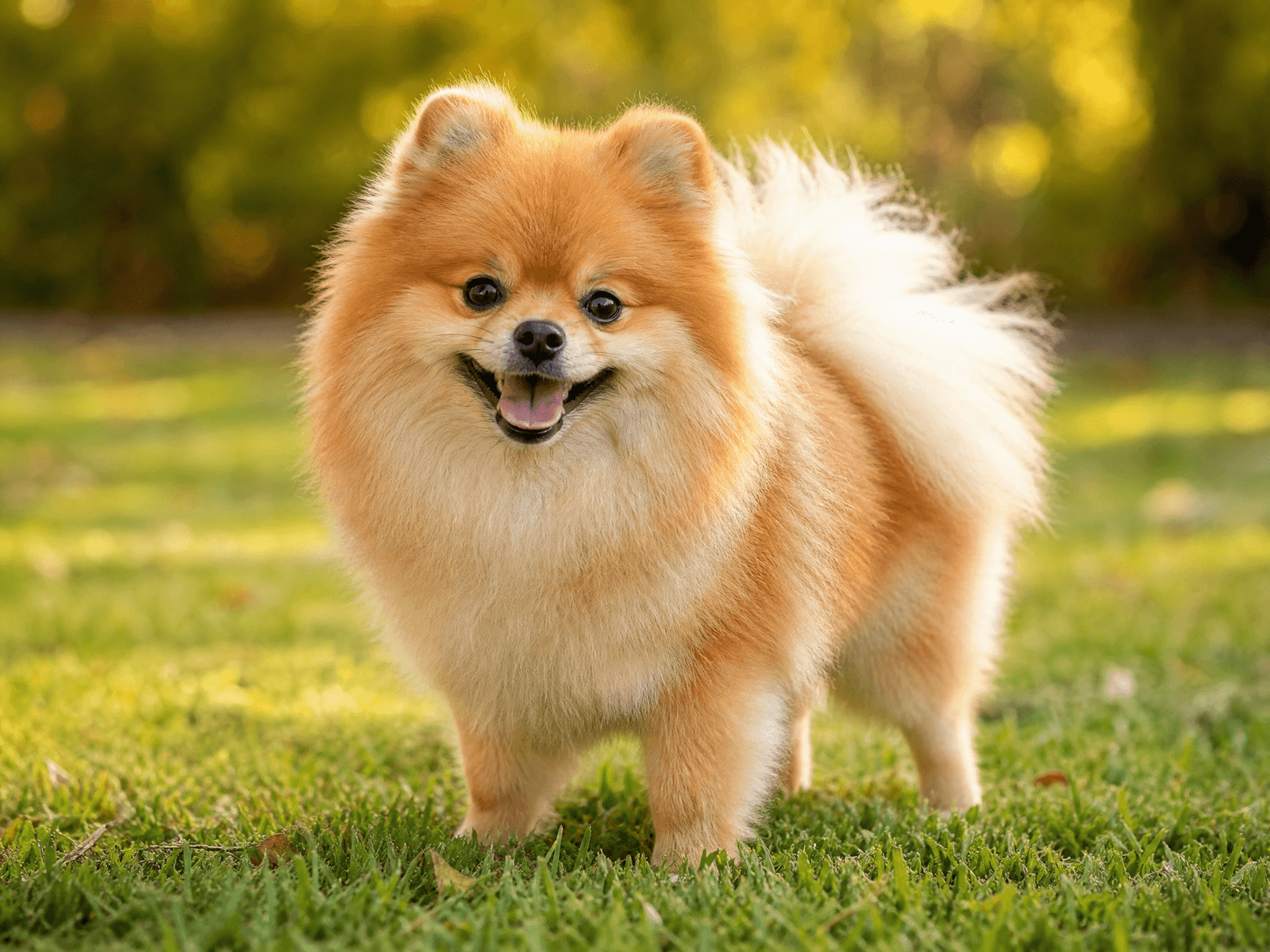
Pomeranian
Origin: Germany/Poland
Weight
3–7 lbs
Height
6–7 inches
Lifespan
12–16 years
Coat
Thick double coat
Breeder Cost
$1,000–$3,000
Adoption Cost
$50–$200
Personality & Temperament
Pomeranians are lively, bold little dogs who are completely unaware of their small size. They are intelligent, curious, and love to be the center of attention. Poms are devoted to their families but can be reserved with strangers. Their fluffy double coat and fox-like face make them one of the most recognizable toy breeds.
Best For
Apartment dwellers, singles, seniors, those who want a devoted, lively companion
Exercise & Activity Needs
Pomeranians need 20–30 minutes of moderate exercise daily. Short walks and indoor play sessions are sufficient. They are surprisingly athletic and enjoy learning tricks and competing in agility.
Grooming & Coat Care
The Pomeranian's thick double coat requires brushing 2–3 times weekly to prevent mats. They shed heavily twice a year. Professional grooming every 6–8 weeks is recommended. Never shave a Pomeranian — their double coat may not grow back properly.
Coat type: Thick double coat; fluffy, stand-off outer coat
Common Health Conditions
Pomeranians are generally healthy and long-lived. Dental disease and patellar luxation are the primary concerns. Always use a harness rather than a collar to protect the trachea.
Patellar Luxation
The kneecap slips out of place. Very common in small breeds.
Tracheal Collapse
The tracheal rings weaken and collapse, causing a honking cough. Use a harness instead of a collar.
Dental Disease
Small mouths are crowded with teeth. Daily dental care is essential.
Alopecia X (Black Skin Disease)
A hormonal condition causing hair loss and skin darkening. More common in Pomeranians than most breeds.
Hypoglycemia
Low blood sugar is a risk in very small Pomeranians. Feed small, frequent meals.
History & Origin
The Pomeranian takes its name from the Pomerania region of northern Poland and Germany, where the breed was developed from large Arctic sled dogs. The original Pomeranians weighed 20–30 lbs and were used as herding dogs. Queen Victoria of England fell in love with the breed during a trip to Italy in 1888 and began breeding them, selecting for smaller and smaller dogs. By the time of her death, she had reduced the breed's size by half. Her influence made Pomeranians fashionable throughout the British Empire.
Interesting Facts
- 1
Pomeranians were originally 20–30 lb sled dogs — Queen Victoria's obsessive breeding reduced them to their current 3–7 lb size.
- 2
Three dogs survived the Titanic sinking — two of them were Pomeranians.
- 3
Mozart dedicated an aria to his Pomeranian, Pimperl.
- 4
Michelangelo's Pomeranian reportedly sat on a silk cushion watching him paint the Sistine Chapel ceiling.
- 5
Despite their tiny size, Pomeranians have a 'big dog' personality and will fearlessly challenge dogs ten times their size.
Cost of Ownership
Owning a Pomeranian is a long-term financial commitment. Here's a realistic breakdown of what to budget for.
Annual Cost
$900–$1,800
First Year (incl. setup)
$2,200–$4,000
Tiny portions; quality small-breed food
Dental disease, collapsed trachea, and luxating patella common
Fluffy double coat needs professional grooming every 6–8 weeks
Feisty and bold; early socialization prevents excessive barking
Small-breed toys; harness over collar for trachea protection
Recommended for dental and orthopedic coverage
* Estimates based on national averages. Costs vary by location, lifestyle, and individual health needs. Emergency vet visits are not included.
Popularity & Adoption Trends
Estimated US Population
~1 million in the US
Adoption Trend
Pomeranians have surged in popularity on social media, with 'Pom' content generating hundreds of millions of views. Their fox-like face and fluffy double coat photograph beautifully. The 'teacup Pomeranian' trend has raised welfare concerns, as extreme miniaturization causes serious health problems.
Plan daily life with your Pomeranian
Use the guides below to compare practical options alongside this breed's care needs.
Pet Tech Essentials
The right technology makes dog ownership easier, safer, and more connected — whether you're home or away. These are the products our editors consider must-haves for every dog owner.
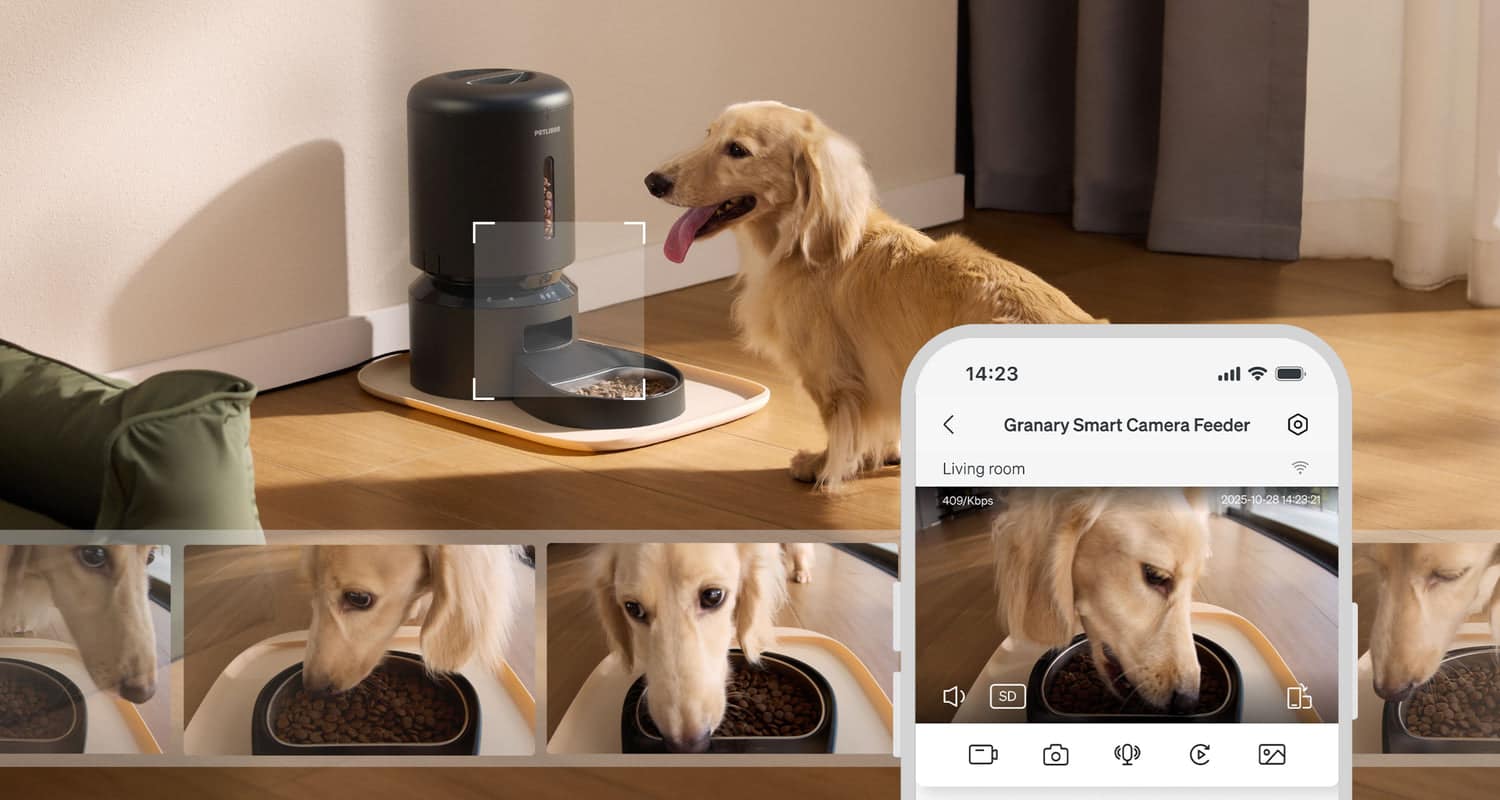
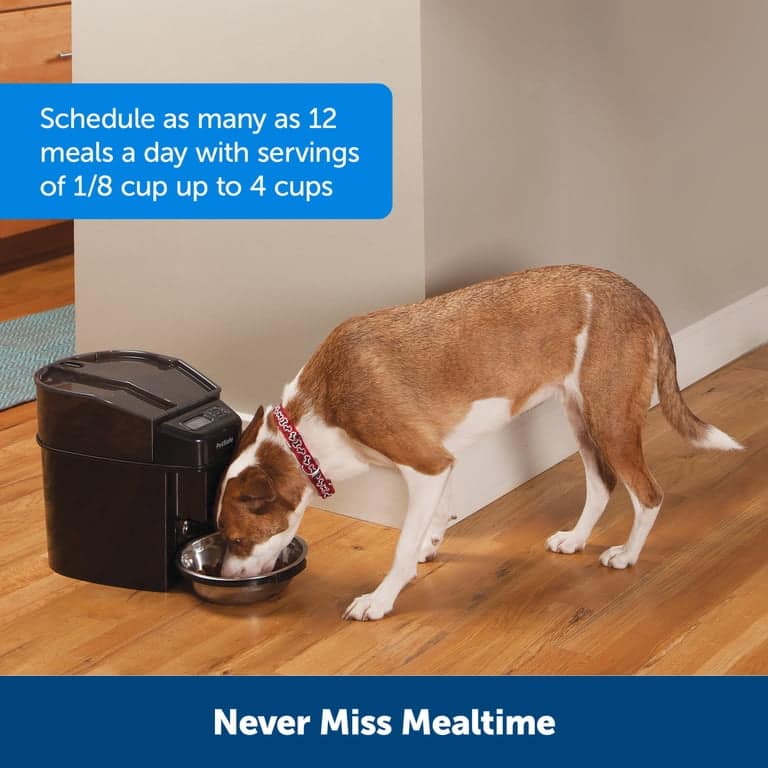
Automatic Feeder
Schedule precise meals so your dog eats right — even when you're not home.
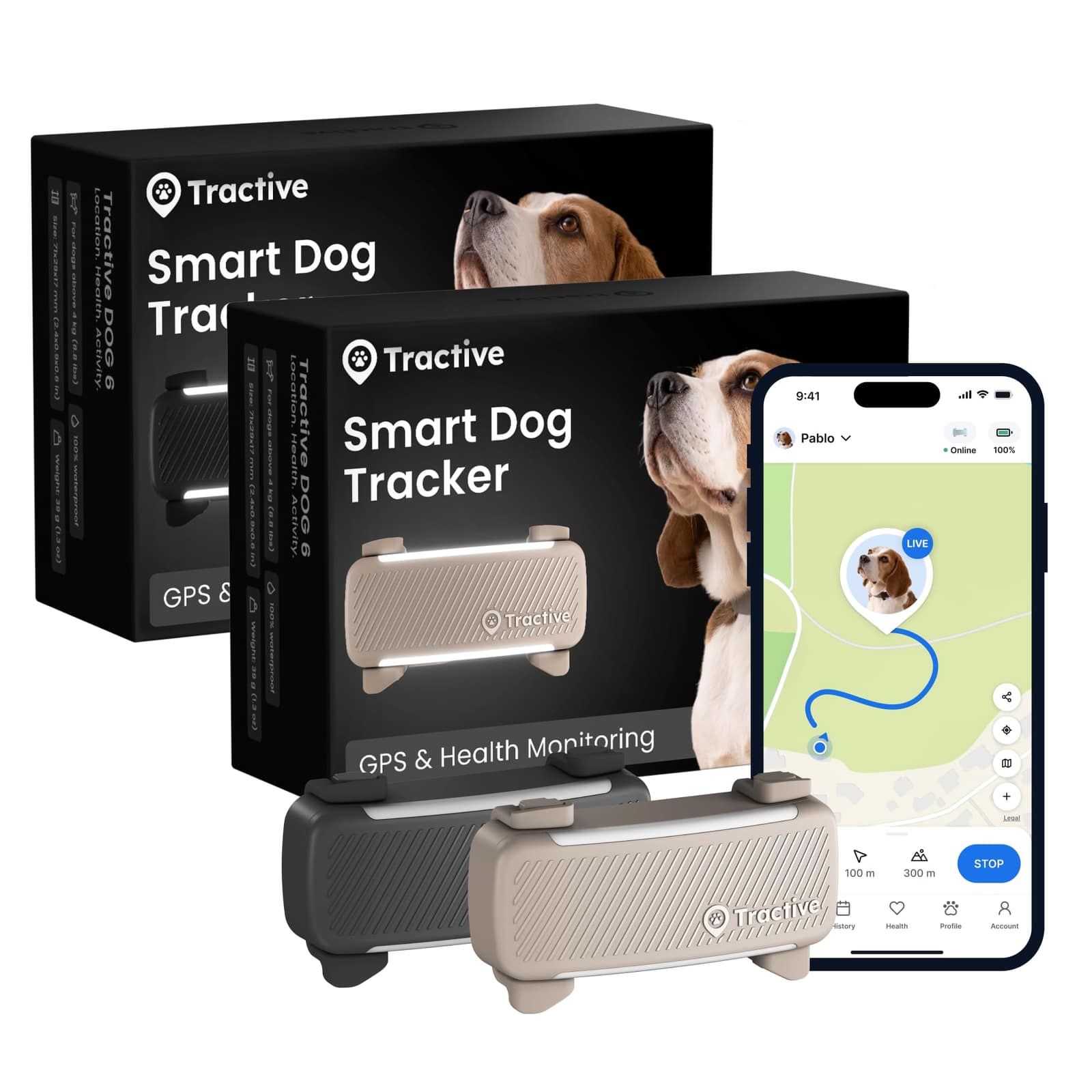
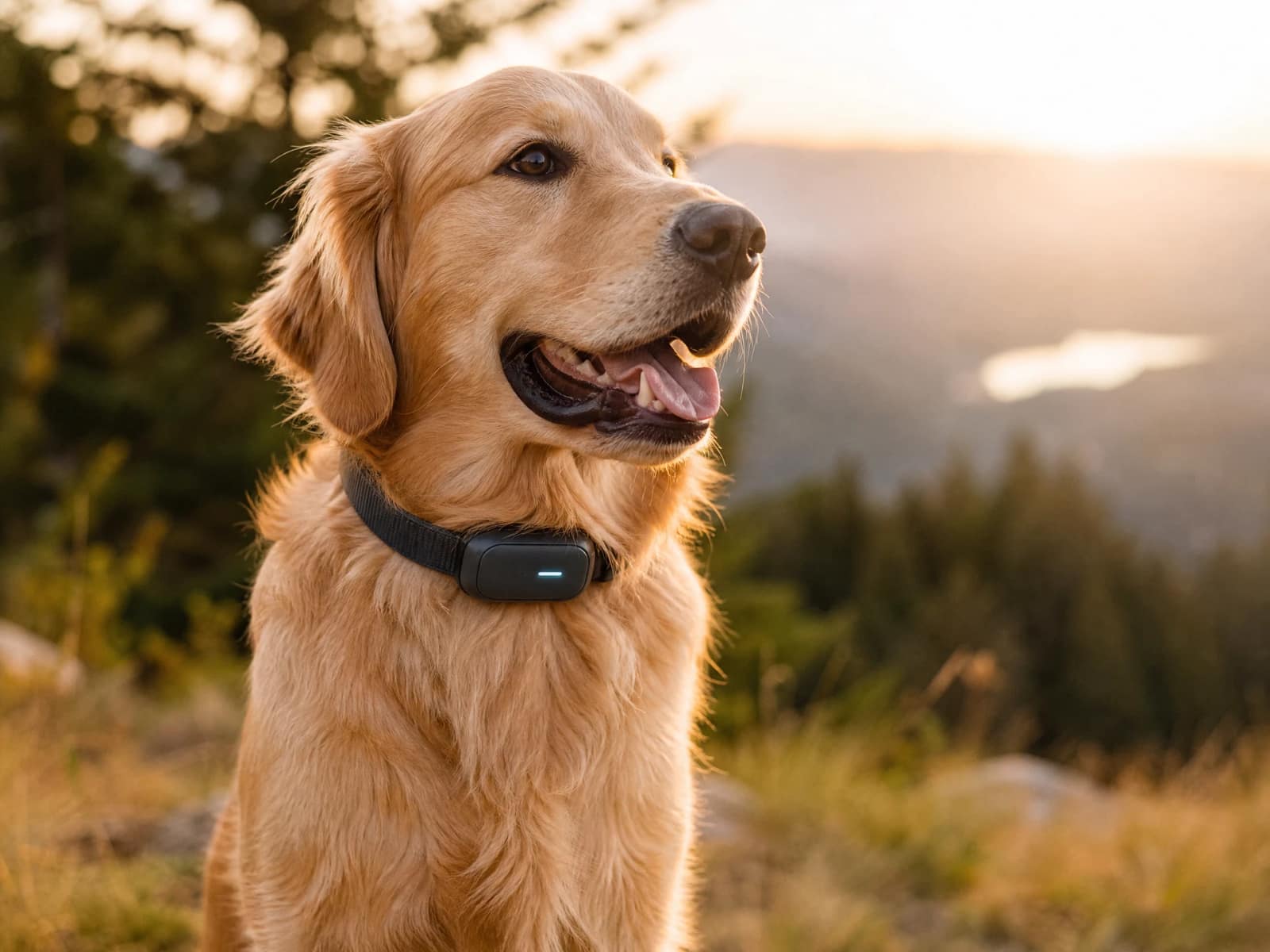
GPS Tracker
Real-time location tracking — because dogs follow their nose, not the fence line.
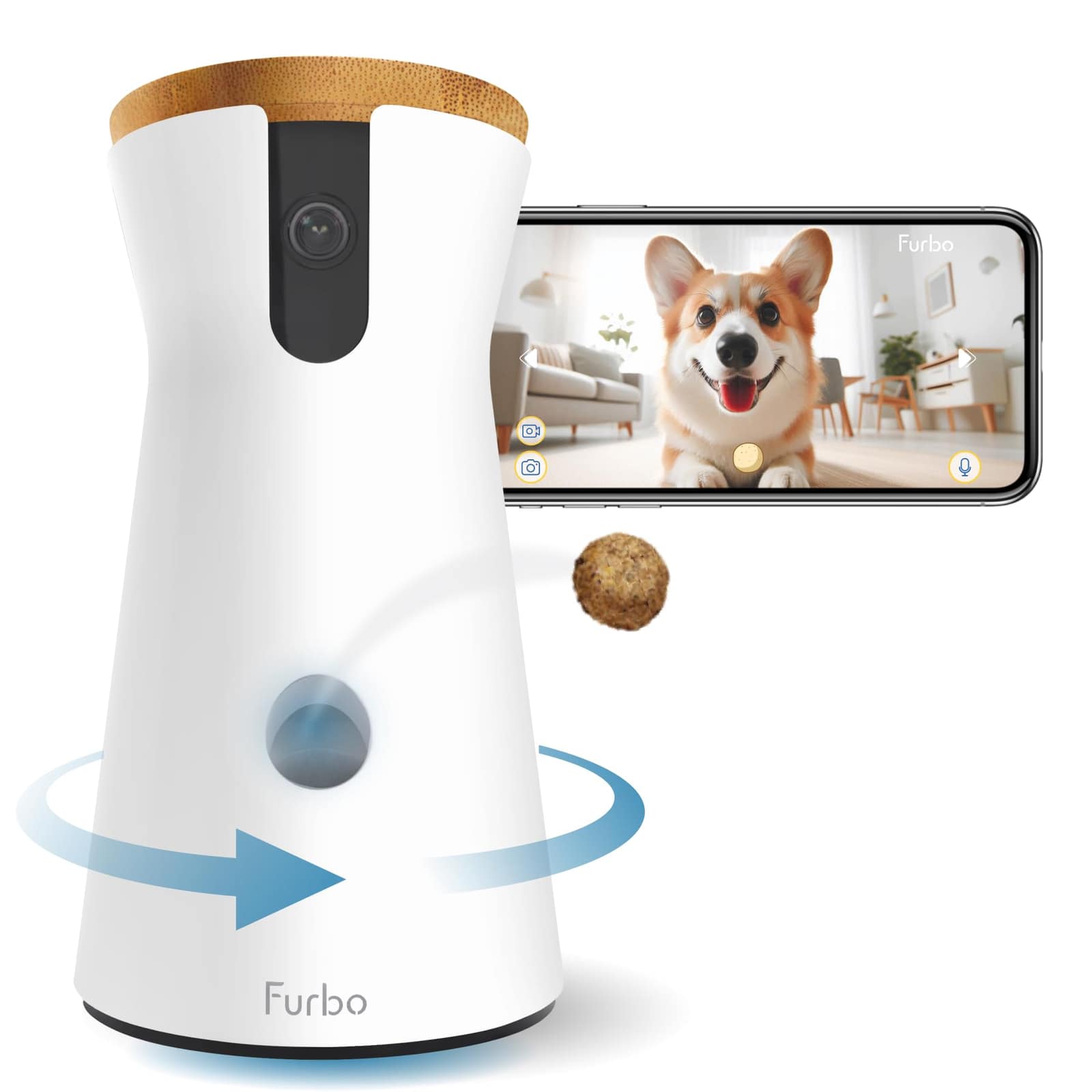
Pet Camera
Two-way audio and HD video — stay connected and soothe your dog from anywhere.
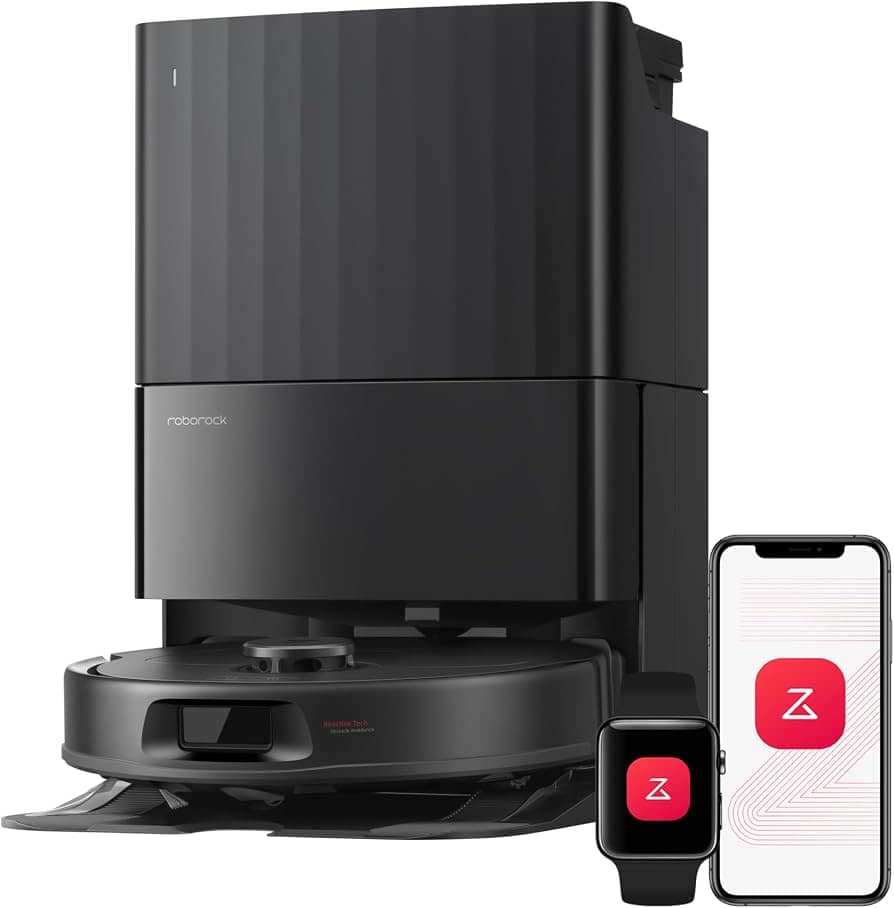
Robot Vacuum
Built for pet hair — keeps your home clean without lifting a finger.
Recommended Products by Life Stage
Products marked with SmartPaws Recommended are ones we've independently reviewed and recommend across the site. All Amazon links include our affiliate tag — purchases support SmartPaws at no extra cost to you.
Puppy / Kitten Stage
Adult Stage
Dental Care
Oxyfresh Premium Pet Dental Water Additive
Dental disease is a major concern — water additive is the easiest daily solution.
SmartPaws RecommendedCalming Aid
ThunderShirt Classic Dog Anxiety Jacket
Pomeranians can be anxious — ThunderShirt provides calming compression.
SmartPaws RecommendedSmart Feeder
PetSafe Smart Feed Automatic Feeder
Pomeranians need small, consistent meals to maintain energy and prevent hypoglycemia.
SmartPaws RecommendedPet Camera
Furbo 360° Dog Camera
Pomeranians are vocal and social — the Furbo camera lets you check in and soothe them remotely.
SmartPaws RecommendedBreed Traits
Temperament
Climate & Physical
Compatibility
Rural & Outdoor
Scores reflect breed tendencies. Individual training significantly affects both livestock safety and off-leash reliability.
Health & Longevity
Based on breed-specific genetic health risks and common conditions
Consider Adopting
Many Pomeranians are waiting in shelters and breed-specific rescues. Adoption costs are typically $50–$200 vs. $1,000–$3,000 from a breeder.
Read our Rescue Guide →How to Train a Pomeranian
Breed-specific challenges, techniques, and training timeline — written specifically for Pomeranian owners.
Read Training GuideDownload the Pomeranian Guide
Get a printable PDF with traits, cost of ownership, health notes, and best-fit summary — free.