SmartPawsGuides, comparisons & trusted resources — Guides & trusted resources — always independent.


Nova Scotia Duck Tolling Retriever
Origin: Canada
Weight
35–50 lbs
Height
17–21 inches
Lifespan
10–14 years
Coat
Water-repellent, medium-length double coat with a soft, dense undercoat and longer harsh water-resistant outer coat.
Personality & Temperament
The Nova Scotia Duck Tolling Retriever is an affectionate, highly intelligent, and outgoing dog with boundless energy. They thrive on having a job to do and are known for their distinctive 'toll'—luring ducks within gunshot range with playful antics along the shoreline.
Best For
Active outdoor enthusiasts, hunters, or dog sports competitors who can dedicate substantial time to physical exercise and mental stimulation.
Exercise & Activity Needs
Requires vigorous daily exercise, including running, swimming, and advanced fetch or agility games, totaling at least 90 minutes.
Grooming & Coat Care
Brush weekly to remove dead hair, increasing to daily during seasonal shedding periods to manage the thick double coat.
Coat type: Water-repellent, medium-length double coat with a soft, dense undercoat and longer harsh water-resistant outer coat.
Common Health Conditions
The Nova Scotia Duck Tolling Retriever is generally a sturdy breed. Primary health concerns include Progressive Retinal Atrophy (PRA), Collie Eye Anomaly (CEA), Hip Dysplasia. Regular veterinary checkups, appropriate health screenings, and responsible breeding practices help minimize these risks.
Progressive Retinal Atrophy (PRA)
An inherited eye disease that causes gradual deterioration of the retina, eventually leading to blindness.
Collie Eye Anomaly (CEA)
A congenital, inherited eye disorder that affects the development of the retina, choroid, and sclera.
Hip Dysplasia
A genetic malformation of the hip socket that can cause discomfort and lameness over time.
History & Origin
Developed in Yarmouth County, Nova Scotia, in the early 19th century, Tollers were bred by hunters to lure waterfowl within shooting range using playful shore antics before retrieving them.
Interesting Facts
- 1
Their high-pitched, distressed-sounding 'Toller scream' is used when they are excited or anticipating work.
- 2
They are Canada's official Nova Scotia dog breed.
- 3
Despite being the smallest retriever, they possess immense stamina and a fierce love for icy water.
Cost of Ownership
Owning a Nova Scotia Duck Tolling Retriever is a long-term financial commitment. Here's a realistic breakdown of what to budget for.
Annual Cost
$1,000–$2,200
First Year (incl. setup)
$2,200–$4,500
High-quality performance kibble for an active medium dog
Routine checkups, vaccines, and preventative care
Occasional professional deshedding and nail trims
Interactive puzzles, durable toys, and outdoor gear
* Estimates based on national averages. Costs vary by location, lifestyle, and individual health needs. Emergency vet visits are not included.
Plan daily life with your Nova Scotia Duck Tolling Retriever
Use the guides below to compare practical options alongside this breed's care needs.
Pet Tech Essentials
The right technology makes dog ownership easier, safer, and more connected — whether you're home or away. These are the products our editors consider must-haves for every dog owner.
Automatic Feeder
Schedule precise meals so your dog eats right — even when you're not home.


GPS Tracker
Real-time location tracking — because dogs follow their nose, not the fence line.


Pet Camera
Two-way audio and HD video — stay connected and soothe your dog from anywhere.



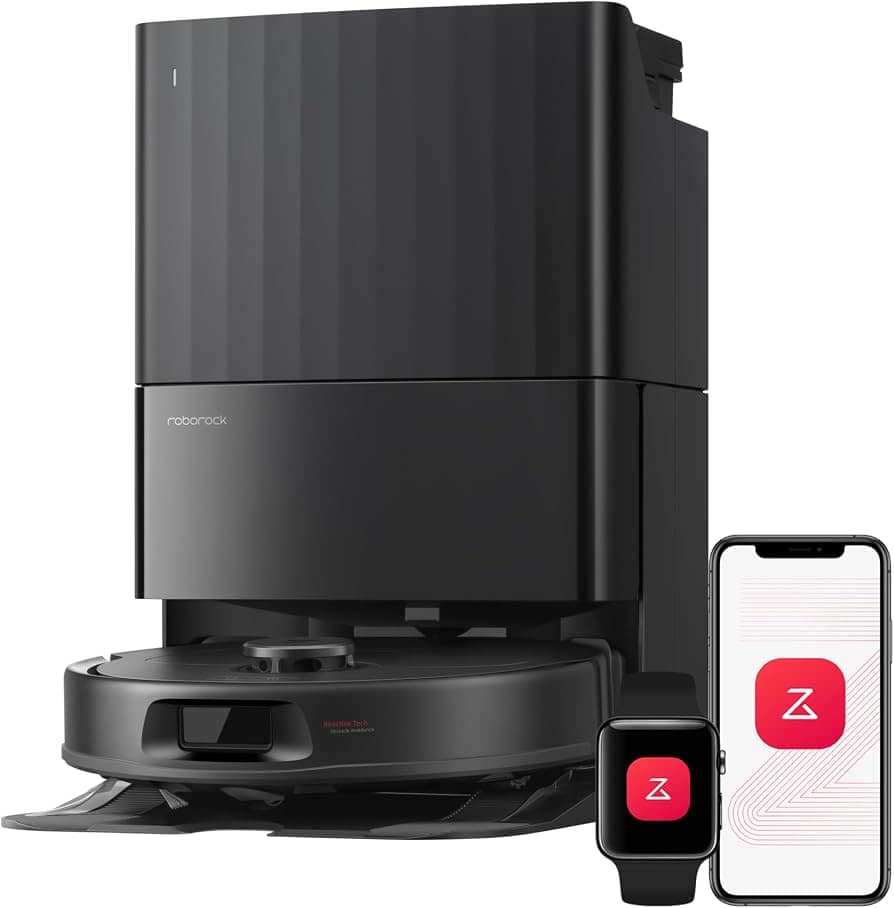
Robot Vacuum
Built for pet hair — keeps your home clean without lifting a finger.
Recommended Products by Life Stage
Products marked with SmartPaws Recommended are ones we've independently reviewed and recommend across the site. All Amazon links include our affiliate tag — purchases support SmartPaws at no extra cost to you.
Puppy / Kitten Stage
Adult Stage
Breed Traits
Temperament
Climate & Physical
Compatibility
Rural & Outdoor
Scores reflect breed tendencies. Individual training significantly affects both livestock safety and off-leash reliability.
Health & Longevity
Based on breed-specific genetic health risks and common conditions
Consider Adopting
Many Nova Scotia Duck Tolling Retrievers are waiting in shelters and breed-specific rescues. Adoption costs are typically $50–$300 vs. $500–$3,000 from a breeder.
Read our Rescue Guide →Download the Nova Scotia Duck Tolling Retriever Guide
Get a printable PDF with traits, cost of ownership, health notes, and best-fit summary — free.