SmartPawsGuides, comparisons & trusted resources — Guides & trusted resources — always independent.

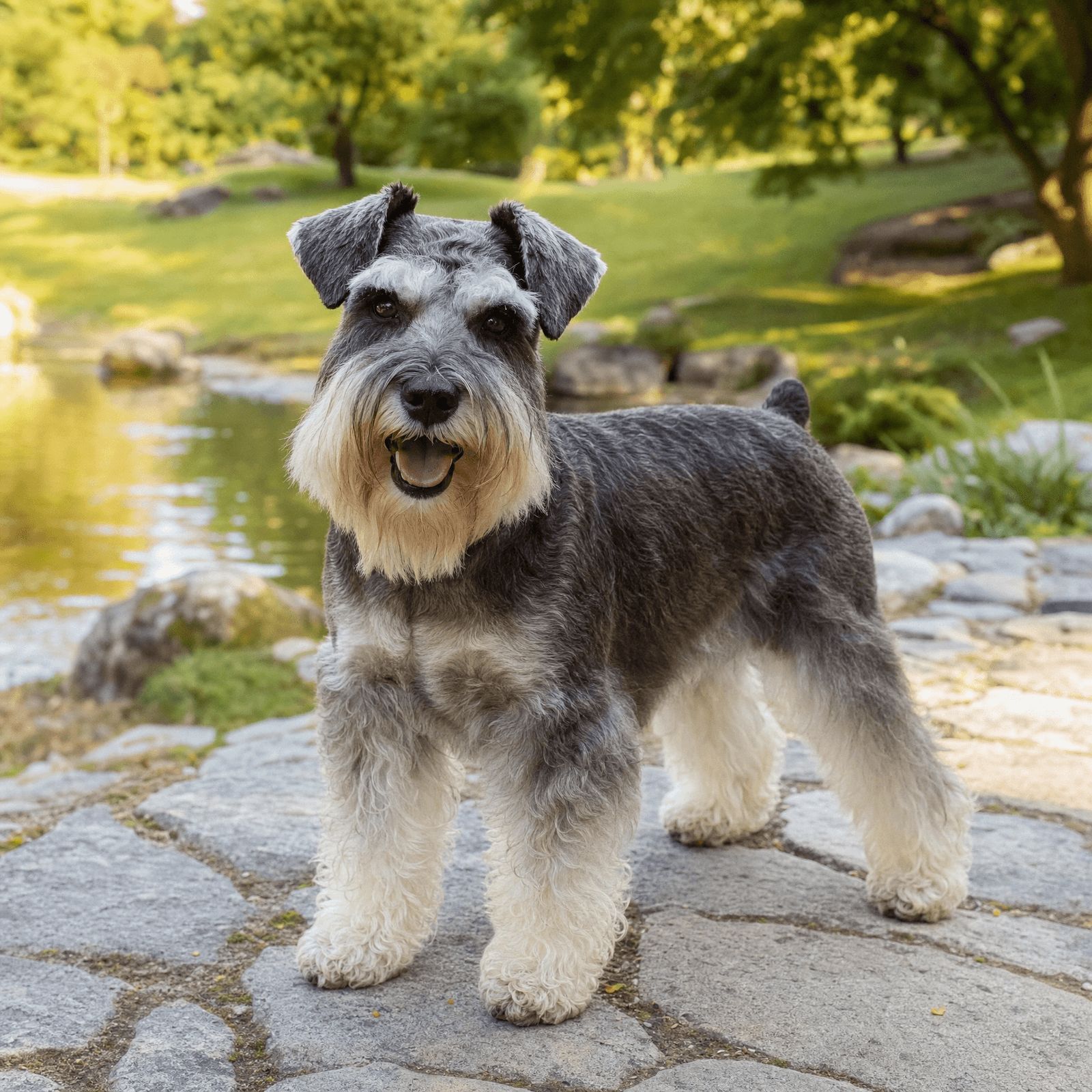
Miniature Schnauzer
Origin: Germany
Weight
11–20 lbs
Height
12–14 inches
Lifespan
12–15 years
Coat
Wiry, hard outer coat with soft undercoat
Breeder Cost
$500–$2,500
Adoption Cost
$50–$200
Personality & Temperament
Miniature Schnauzers are friendly, intelligent, and spirited little dogs who adapt well to almost any living situation. They are one of the most popular terrier breeds in the world, combining a low-shedding coat with an outgoing personality. Minis are alert watchdogs who will announce every visitor — sometimes excessively.
Best For
Apartment dwellers, families with older children, those who want a low-shedding companion with a big personality
Exercise & Activity Needs
Mini Schnauzers need 30–60 minutes of exercise daily. They enjoy walks, fetch, and agility. Their terrier instincts mean they should be on a leash or in a fenced yard — they will chase small animals.
Grooming & Coat Care
The Mini Schnauzer's wiry coat requires professional grooming every 6–8 weeks to maintain the classic Schnauzer look. The beard and eyebrows need regular trimming and cleaning. They are low-shedding but not maintenance-free.
Coat type: Wiry, hard outer coat with soft undercoat; low-shedding
Common Health Conditions
Pancreatitis and hyperlipidemia are the most breed-specific concerns for Mini Schnauzers. Feed a low-fat diet and avoid fatty treats. Annual blood work helps catch metabolic issues early.
Pancreatitis
Miniature Schnauzers are prone to pancreatitis and hyperlipidemia (high blood fat). Feed a low-fat diet and avoid fatty treats.
Urinary Stones
Schnauzers are prone to forming bladder and kidney stones. Feed a diet that supports urinary health and ensure adequate water intake.
Cataracts
Hereditary cataracts are more common in Mini Schnauzers than many breeds. Annual eye exams are recommended.
Diabetes
Mini Schnauzers have a higher-than-average rate of diabetes, possibly linked to their tendency toward hyperlipidemia.
Patellar Luxation
The kneecap slips out of place. Common in small breeds.
History & Origin
The Miniature Schnauzer was developed in Germany in the mid-to-late 19th century by crossing Standard Schnauzers with smaller breeds, likely Affenpinschers and Poodles. They were bred as farm ratters and guard dogs — small enough to chase vermin into burrows but bold enough to alert owners to intruders. The breed was first exhibited in Germany in 1899 and arrived in the US in the early 1920s.
Interesting Facts
- 1
Miniature Schnauzers are the only terrier breed that did not originate in the British Isles — they were developed in Germany.
- 2
Their distinctive beard and eyebrows were originally functional — they protected the dog's face from rat bites.
- 3
Schnauzers are one of the few breeds that don't shed — their wiry coat grows continuously and must be hand-stripped or clipped.
- 4
They are one of the most versatile small breeds, excelling at agility, obedience, earthdog trials, and therapy work.
- 5
The name 'Schnauzer' comes from the German word for 'snout' or 'muzzle' — a reference to their prominent beard.
Cost of Ownership
Owning a Miniature Schnauzer is a long-term financial commitment. Here's a realistic breakdown of what to budget for.
Annual Cost
$1,000–$1,900
First Year (incl. setup)
$2,500–$4,200
Prone to pancreatitis; low-fat diet recommended
Bladder stones, pancreatitis, and eye issues common
Wiry coat needs professional hand-stripping or clipping every 6–8 weeks
Intelligent and eager; responds well to positive training
Puzzle toys for this clever, curious breed
Recommended for bladder stone and pancreatitis coverage
* Estimates based on national averages. Costs vary by location, lifestyle, and individual health needs. Emergency vet visits are not included.
Popularity & Adoption Trends
Estimated US Population
~500,000 in the US
Adoption Trend
Miniature Schnauzers maintain steady popularity as one of the most popular small breeds in the US. Their hypoallergenic coat, bold personality, and adaptability to apartment living make them perennial favorites. They consistently rank in the top 20 AKC breeds.
Plan daily life with your Miniature Schnauzer
Use the guides below to compare practical options alongside this breed's care needs.
Pet Tech Essentials
The right technology makes dog ownership easier, safer, and more connected — whether you're home or away. These are the products our editors consider must-haves for every dog owner.
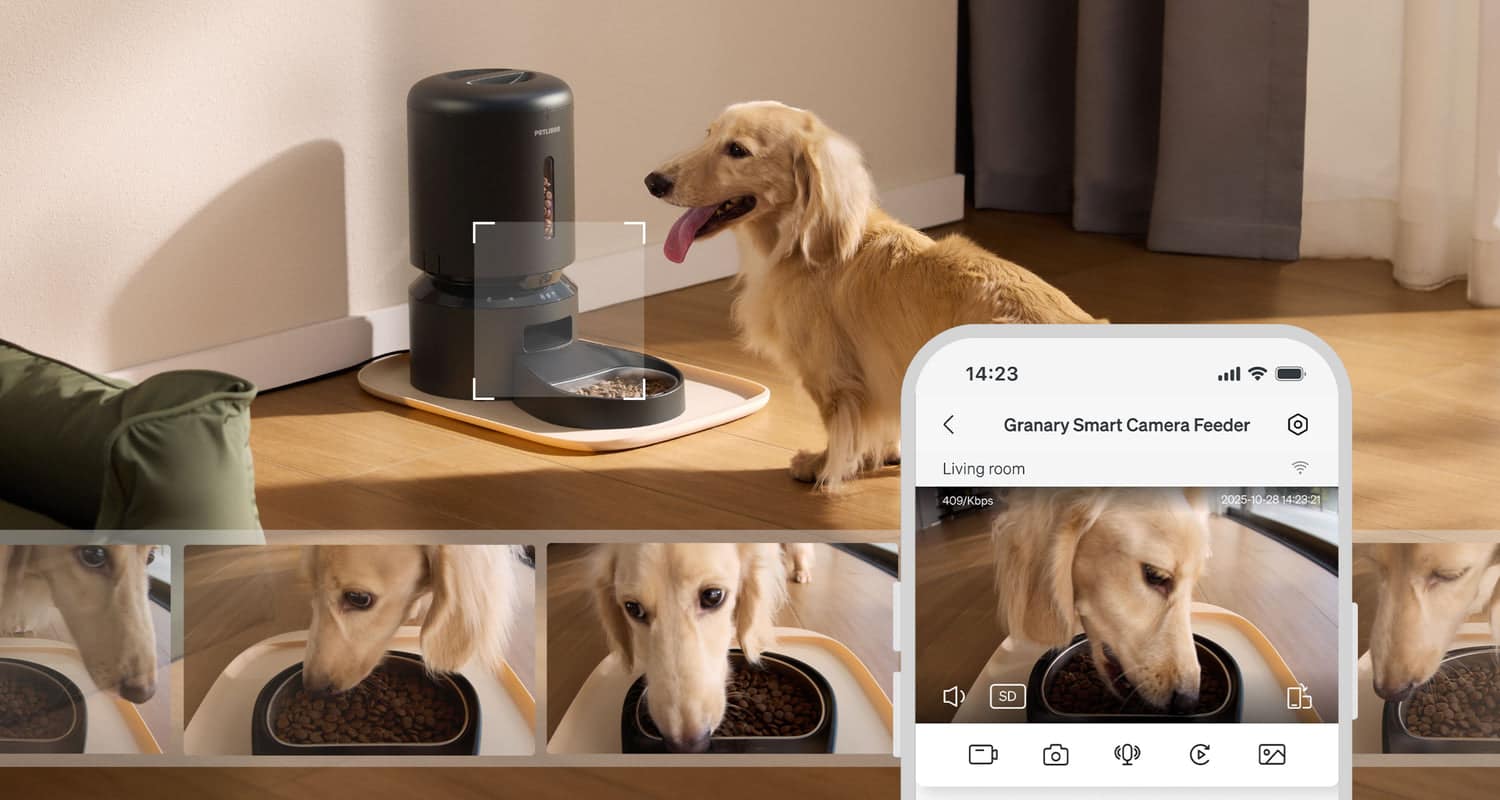
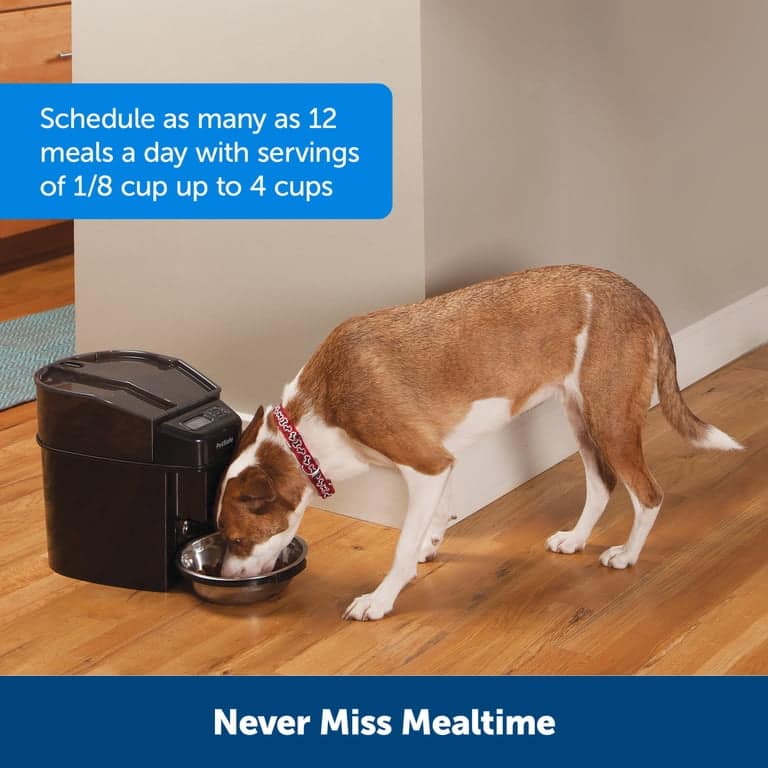
Automatic Feeder
Schedule precise meals so your dog eats right — even when you're not home.
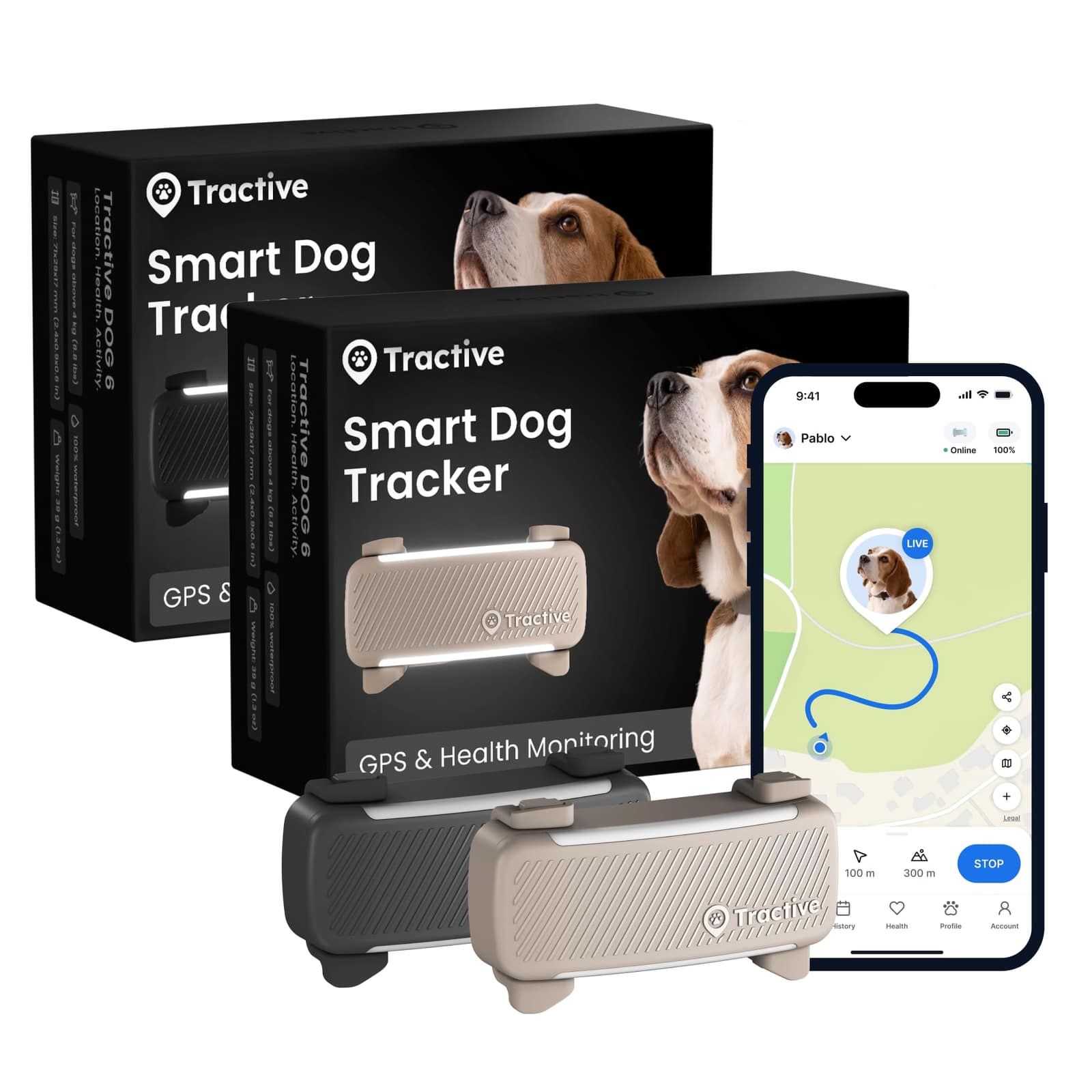
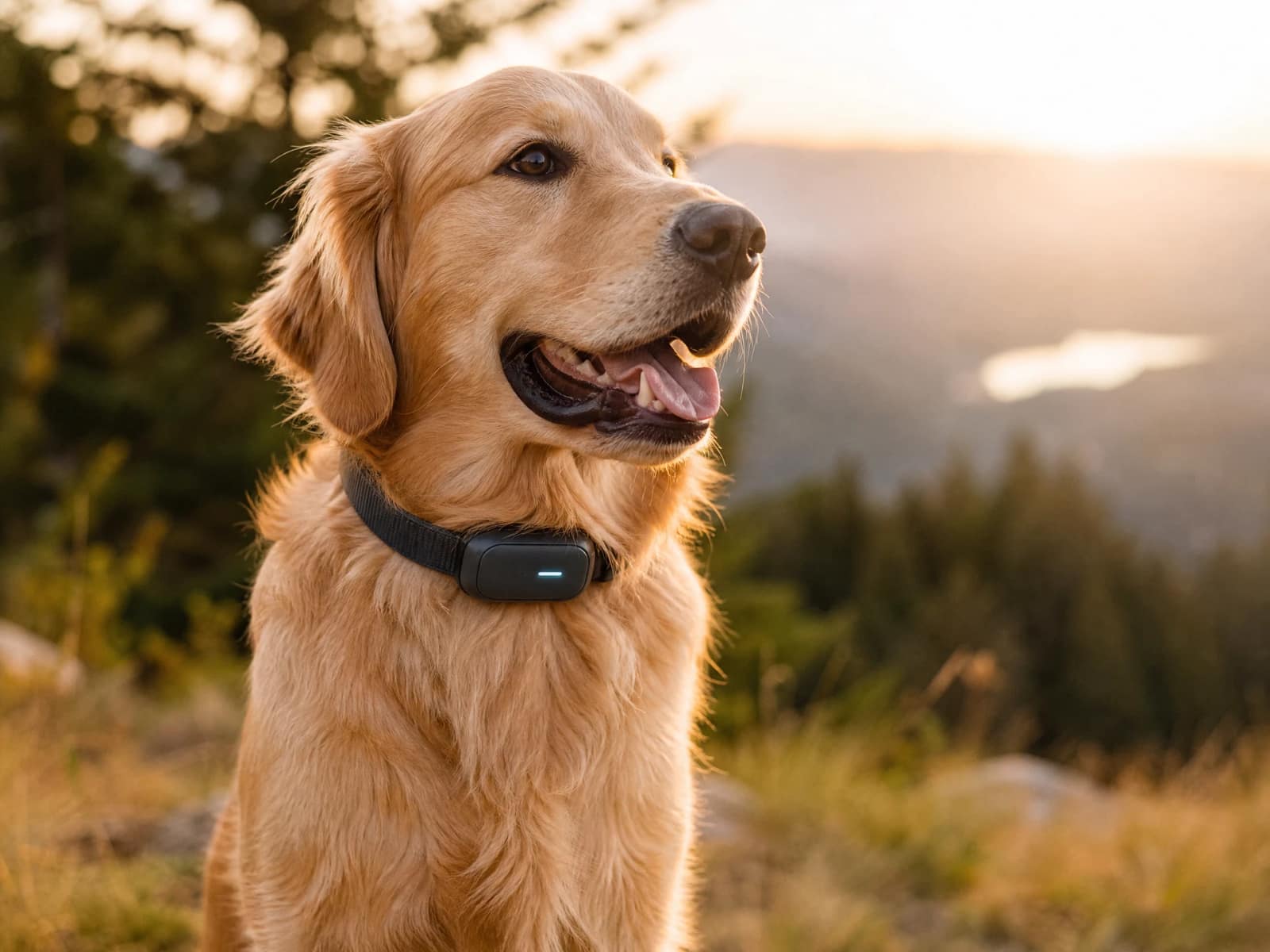
GPS Tracker
Real-time location tracking — because dogs follow their nose, not the fence line.
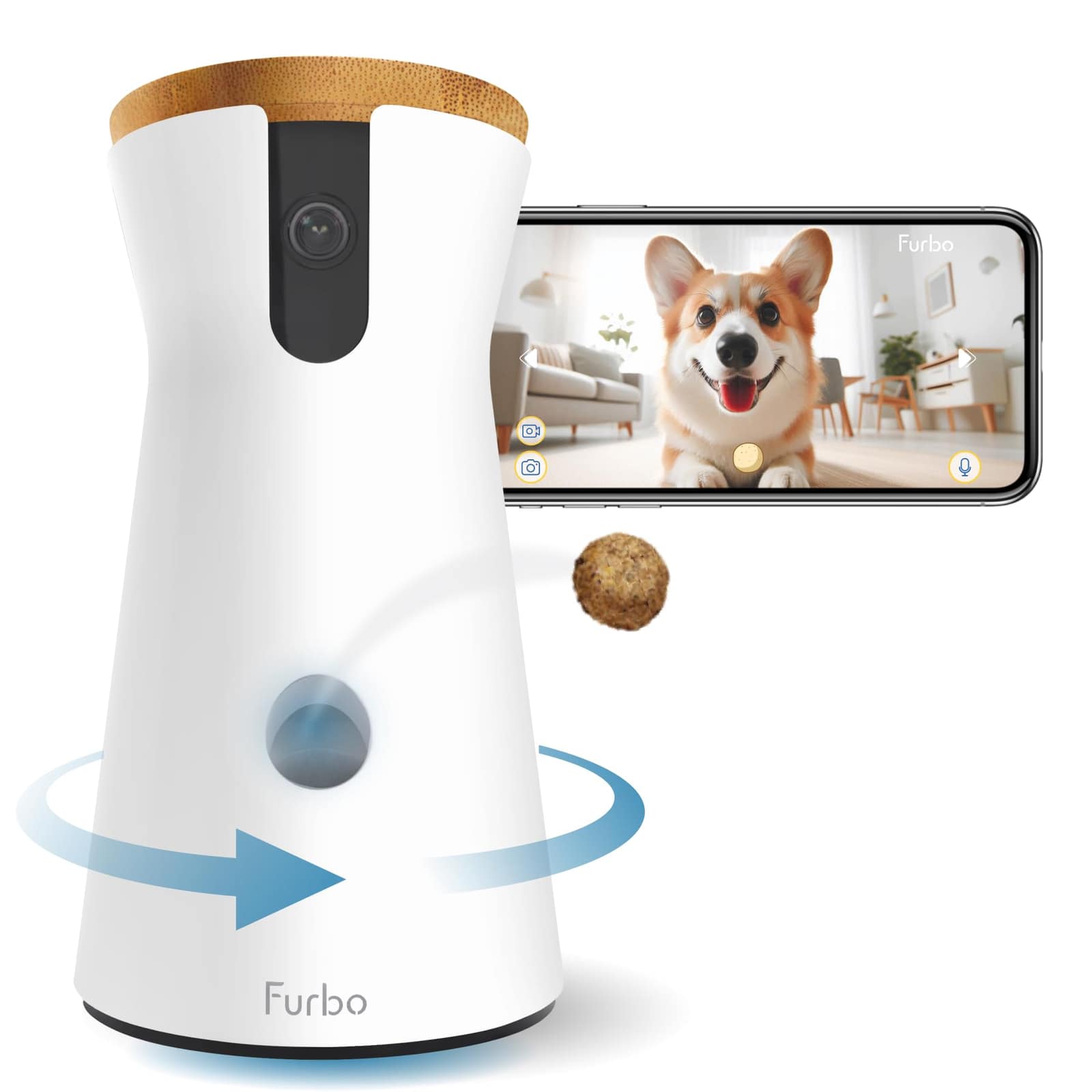
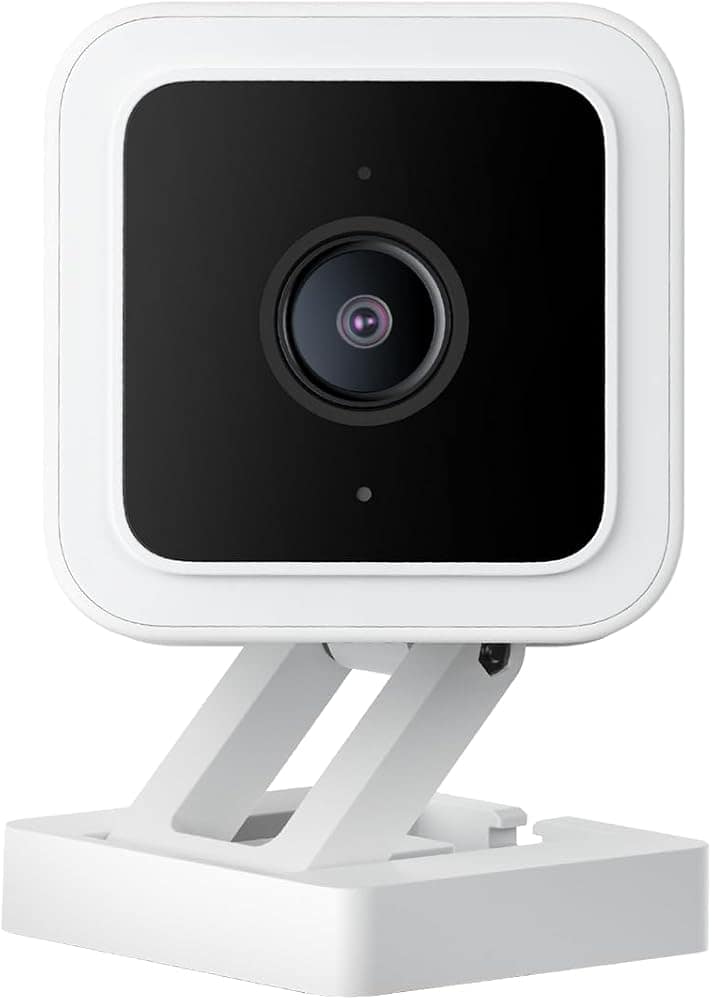
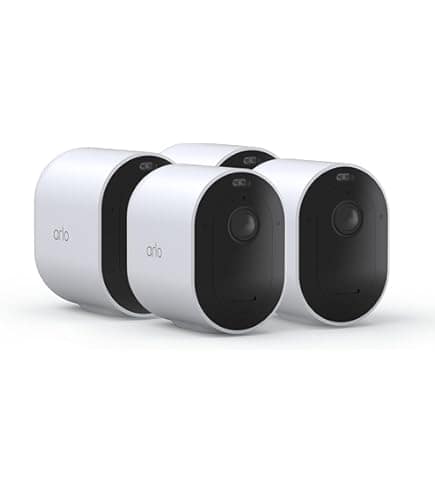
Pet Camera
Two-way audio and HD video — stay connected and soothe your dog from anywhere.
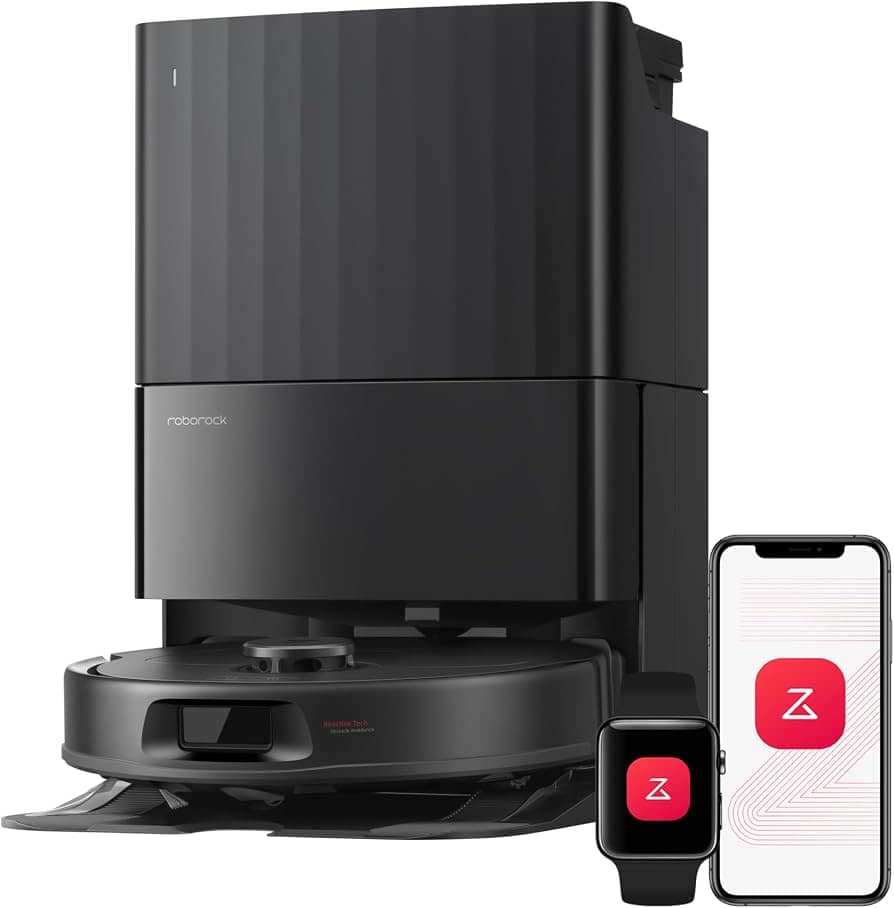
Robot Vacuum
Built for pet hair — keeps your home clean without lifting a finger.
Recommended Products by Life Stage
Products marked with SmartPaws Recommended are ones we've independently reviewed and recommend across the site. All Amazon links include our affiliate tag — purchases support SmartPaws at no extra cost to you.
Adult Stage
Dental Care
Oxyfresh Premium Pet Dental Water Additive
Dental disease is common in small breeds — water additive is the easiest solution.
SmartPaws RecommendedGPS Tracker
Tractive Smart Dog GPS Tracker
Terrier instincts can lead Mini Schnauzers astray — GPS tracking helps.
SmartPaws RecommendedBreed Traits
Temperament
Climate & Physical
Compatibility
Rural & Outdoor
Scores reflect breed tendencies. Individual training significantly affects both livestock safety and off-leash reliability.
Health & Longevity
Based on breed-specific genetic health risks and common conditions
Consider Adopting
Many Miniature Schnauzers are waiting in shelters and breed-specific rescues. Adoption costs are typically $50–$200 vs. $500–$2,500 from a breeder.
Read our Rescue Guide →How to Train a Miniature Schnauzer
Breed-specific challenges, techniques, and training timeline — written specifically for Miniature Schnauzer owners.
Read Training GuideDownload the Miniature Schnauzer Guide
Get a printable PDF with traits, cost of ownership, health notes, and best-fit summary — free.