SmartPawsGuides, comparisons & trusted resources — Guides & trusted resources — always independent.

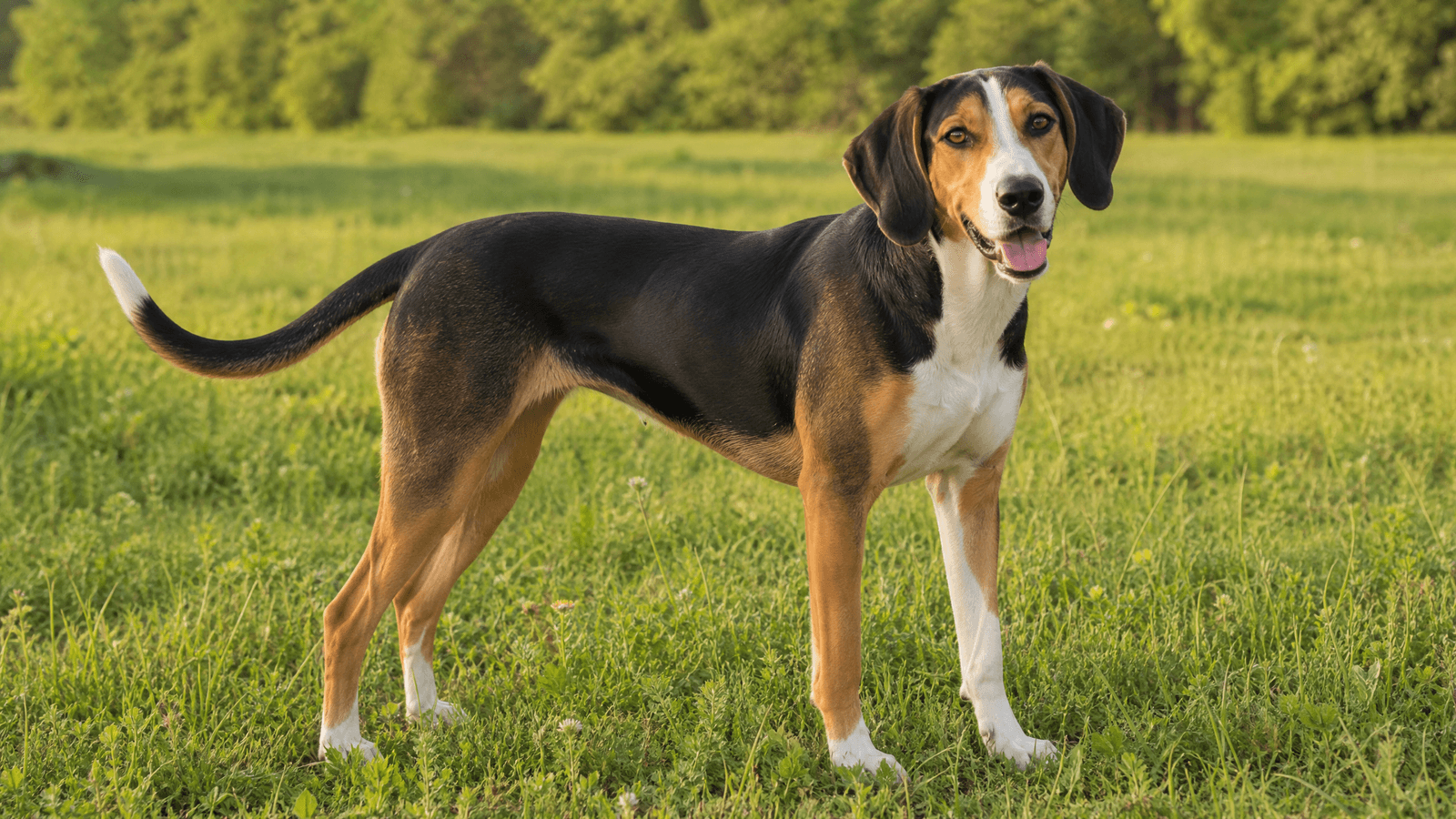
Harrier
Origin: England
Weight
45–60 lbs
Height
19–21 inches
Lifespan
12–15 years
Coat
Short, dense, and hard coat that offers protection against weather and briars.
Breeder Cost
$1,500–$2,500
Adoption Cost
$150–$400
Personality & Temperament
The Harrier is an outgoing, friendly, and high-energy scent hound that loves being part of a pack or family. Behind their soft expression lies an intelligent, independent, and sometimes stubborn nature rooted in their hunting heritage.
Best For
Active owners, hikers, or runners with a securely fenced yard and patience for hound independence.
Exercise & Activity Needs
Requires vigorous daily exercise, including long walks, jogs, or secure running space, to burn off their high stamina.
Grooming & Coat Care
Low-maintenance coat requiring only occasional brushing and a rubber mitt rubdown to remove loose hair.
Coat type: Short, dense, and hard coat that offers protection against weather and briars.
Common Health Conditions
The Harrier is generally a healthy breed. Key health concerns include Hip Dysplasia and Epilepsy. Regular veterinary checkups and health screening of breeding dogs are recommended.
Hip Dysplasia
A genetic malformation of the hip socket that can lead to arthritis and mobility issues.
Epilepsy
A neurological disorder characterized by recurring seizures that can often be managed with medication.
History & Origin
Originating in medieval England, the Harrier was developed by crossing various hounds, likely including the English Foxhound and Bloodhound, to hunt hares.
Interesting Facts
- 1
They resemble a slightly larger, more muscular Beagle.
- 2
Their name comes from the old Norman-French word 'harier', meaning hound.
- 3
They are exceptionally rare outside of working pack circles and select enthusiast homes.
Cost of Ownership
Owning a Harrier is a long-term financial commitment. Here's a realistic breakdown of what to budget for.
Annual Cost
$1,000–$2,000
First Year (incl. setup)
$1,800–$3,500
High-quality dry food suited for active working breeds.
Routine checkups, vaccines, and parasite preventives.
Minimal professional needs; mostly at-home brushing.
Durable toys, leash, collar, and crate.
* Estimates based on national averages. Costs vary by location, lifestyle, and individual health needs. Emergency vet visits are not included.
Plan daily life with your Harrier
Use the guides below to compare practical options alongside this breed's care needs.
Pet Tech Essentials
The right technology makes dog ownership easier, safer, and more connected — whether you're home or away. These are the products our editors consider must-haves for every dog owner.
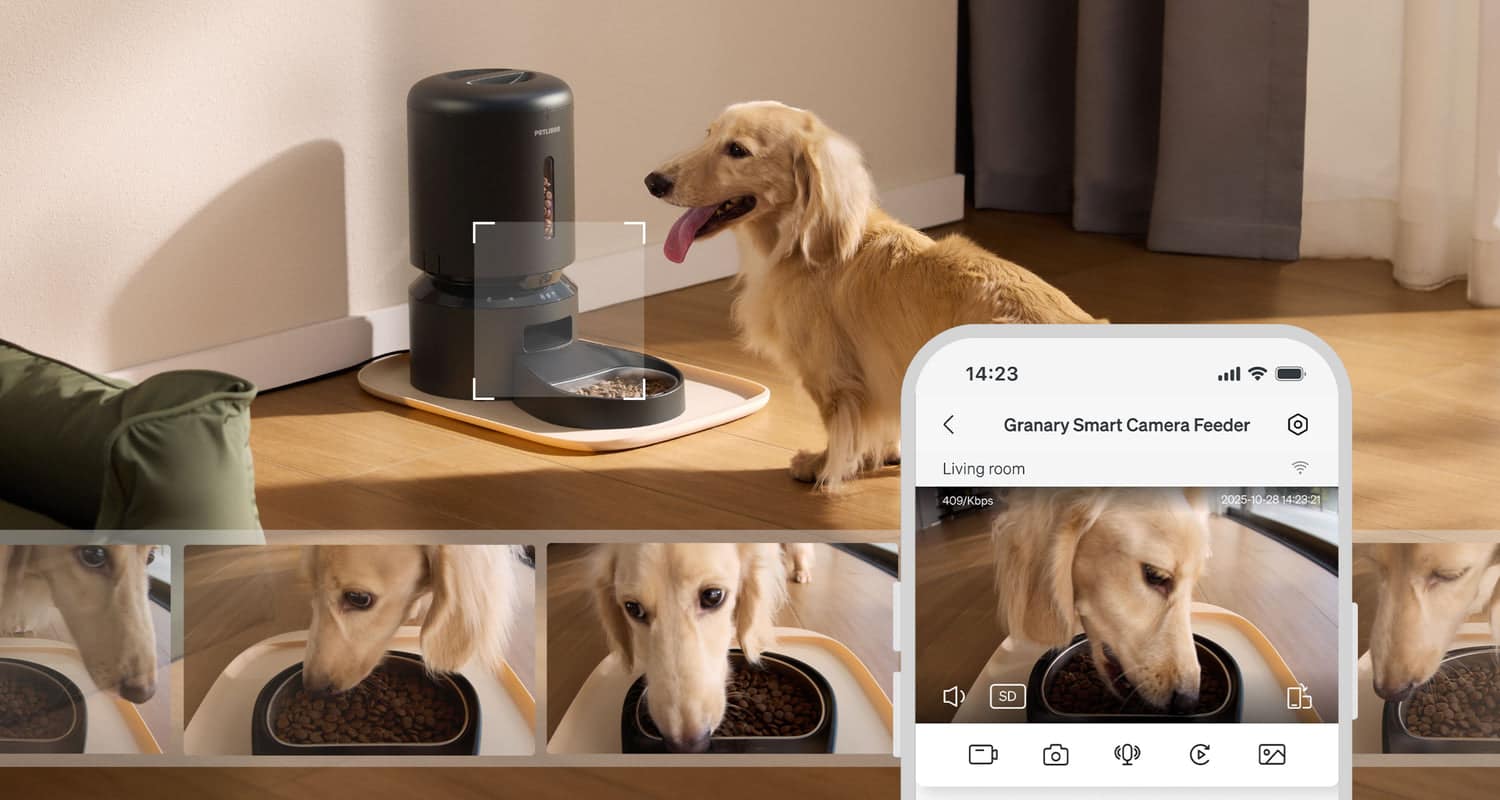
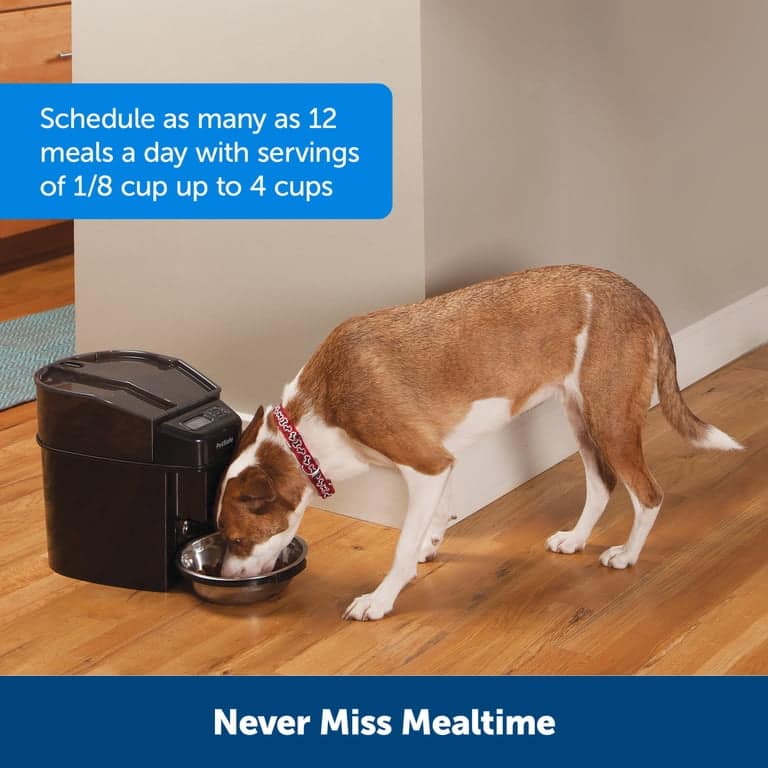
Automatic Feeder
Schedule precise meals so your dog eats right — even when you're not home.
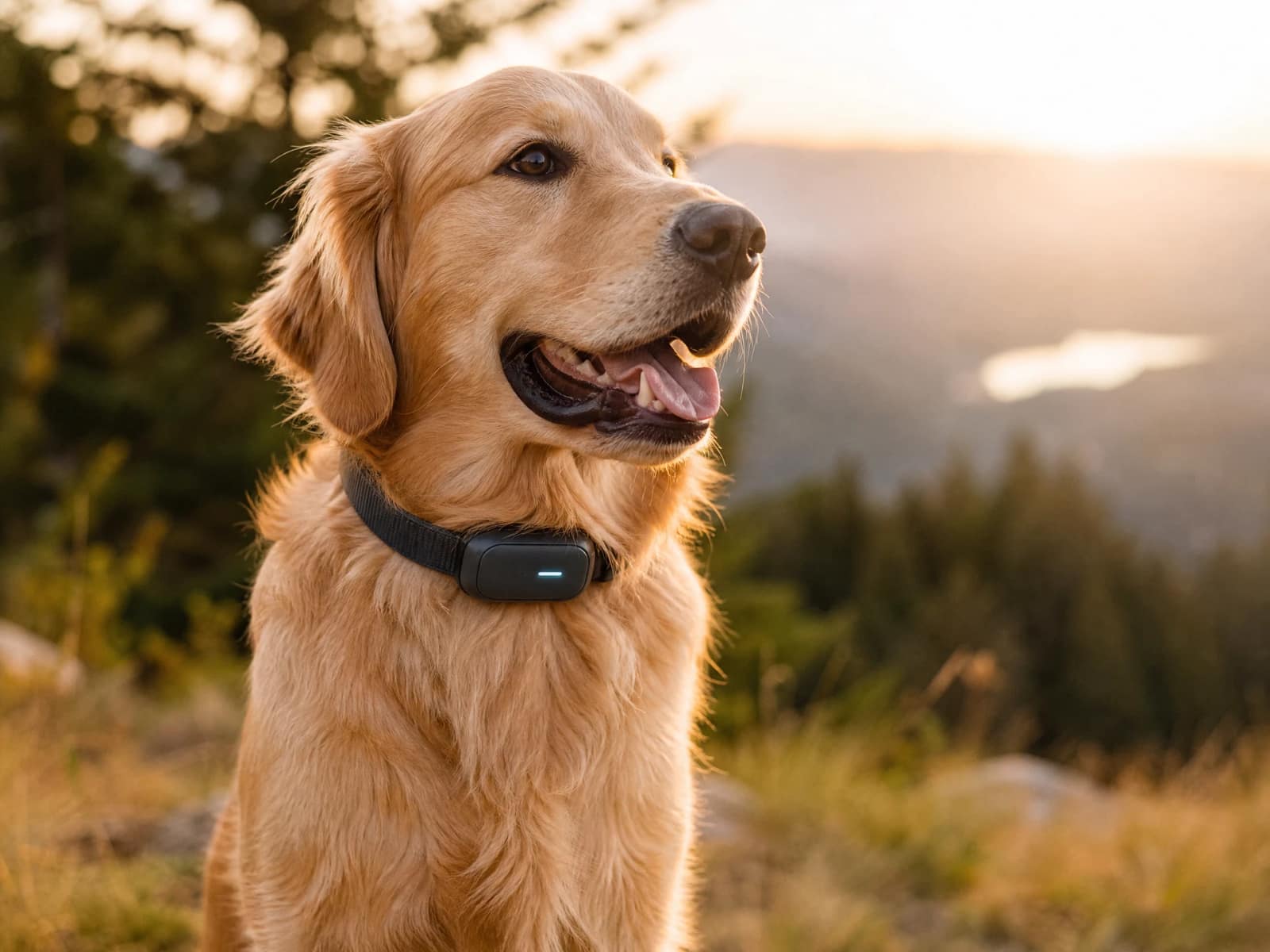
GPS Tracker
Real-time location tracking — because dogs follow their nose, not the fence line.

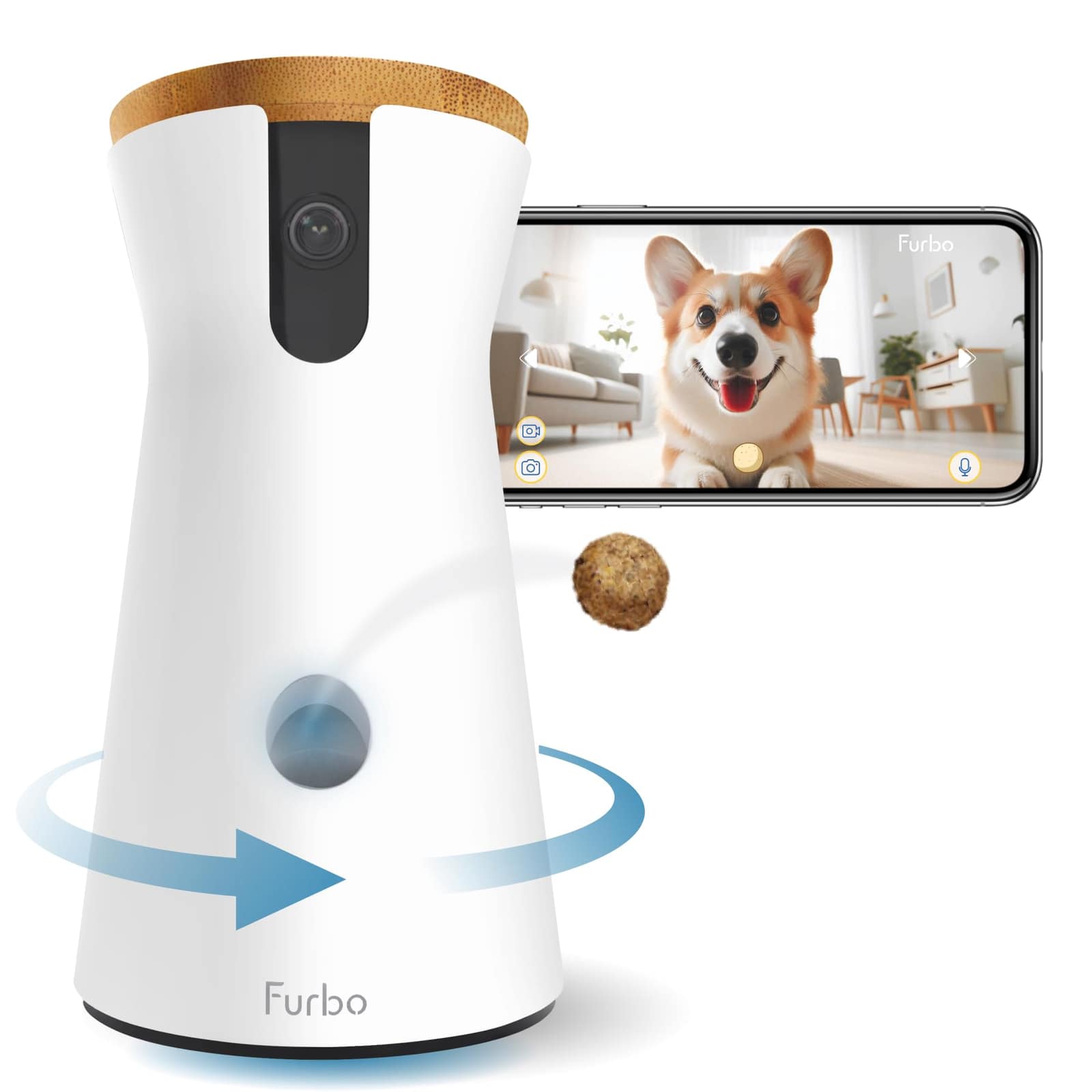
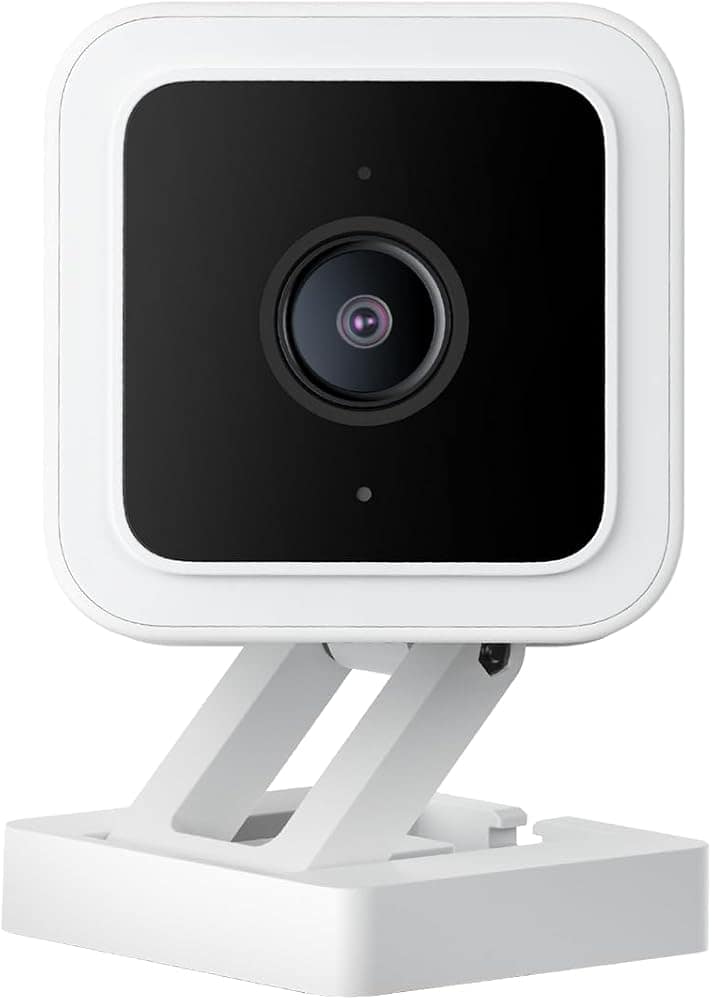
Pet Camera
Two-way audio and HD video — stay connected and soothe your dog from anywhere.

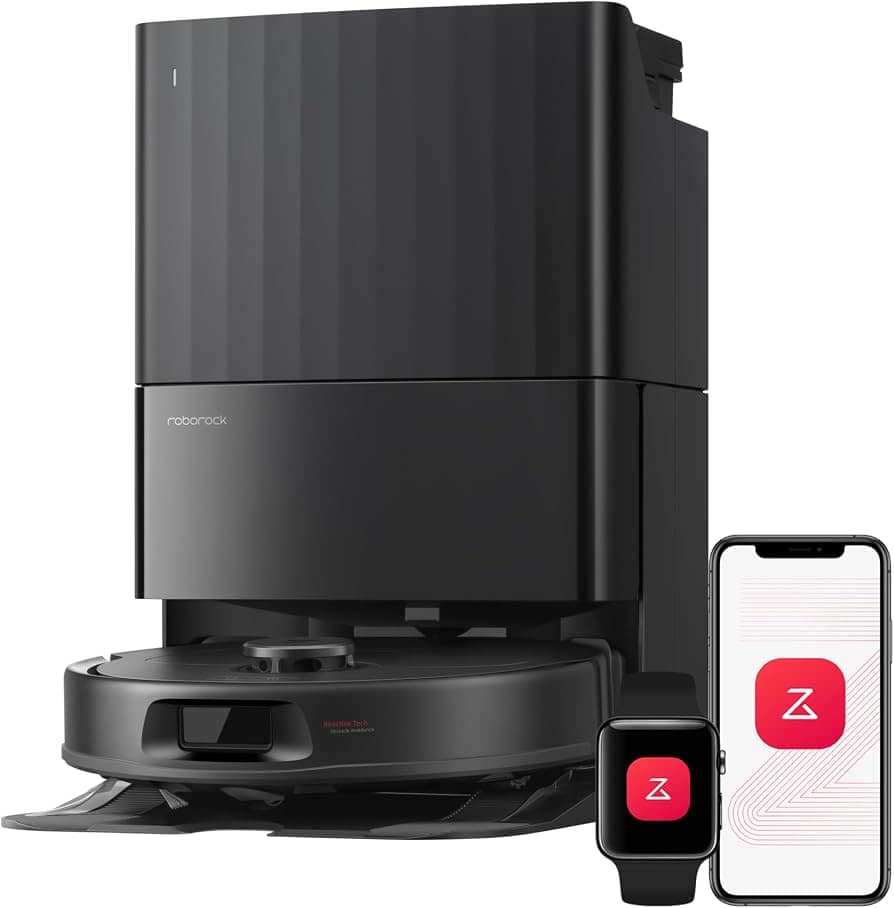
Robot Vacuum
Built for pet hair — keeps your home clean without lifting a finger.
Recommended Products by Life Stage
Products marked with SmartPaws Recommended are ones we've independently reviewed and recommend across the site. All Amazon links include our affiliate tag — purchases support SmartPaws at no extra cost to you.
Puppy / Kitten Stage
Adult Stage
Breed Traits
Temperament
Climate & Physical
Compatibility
Rural & Outdoor
Scores reflect breed tendencies. Individual training significantly affects both livestock safety and off-leash reliability.
Health & Longevity
Based on breed-specific genetic health risks and common conditions
Consider Adopting
Many Harriers are waiting in shelters and breed-specific rescues. Adoption costs are typically $150–$400 vs. $1,500–$2,500 from a breeder.
Read our Rescue Guide →Download the Harrier Guide
Get a printable PDF with traits, cost of ownership, health notes, and best-fit summary — free.