SmartPawsGuides, comparisons & trusted resources — Guides & trusted resources — always independent.

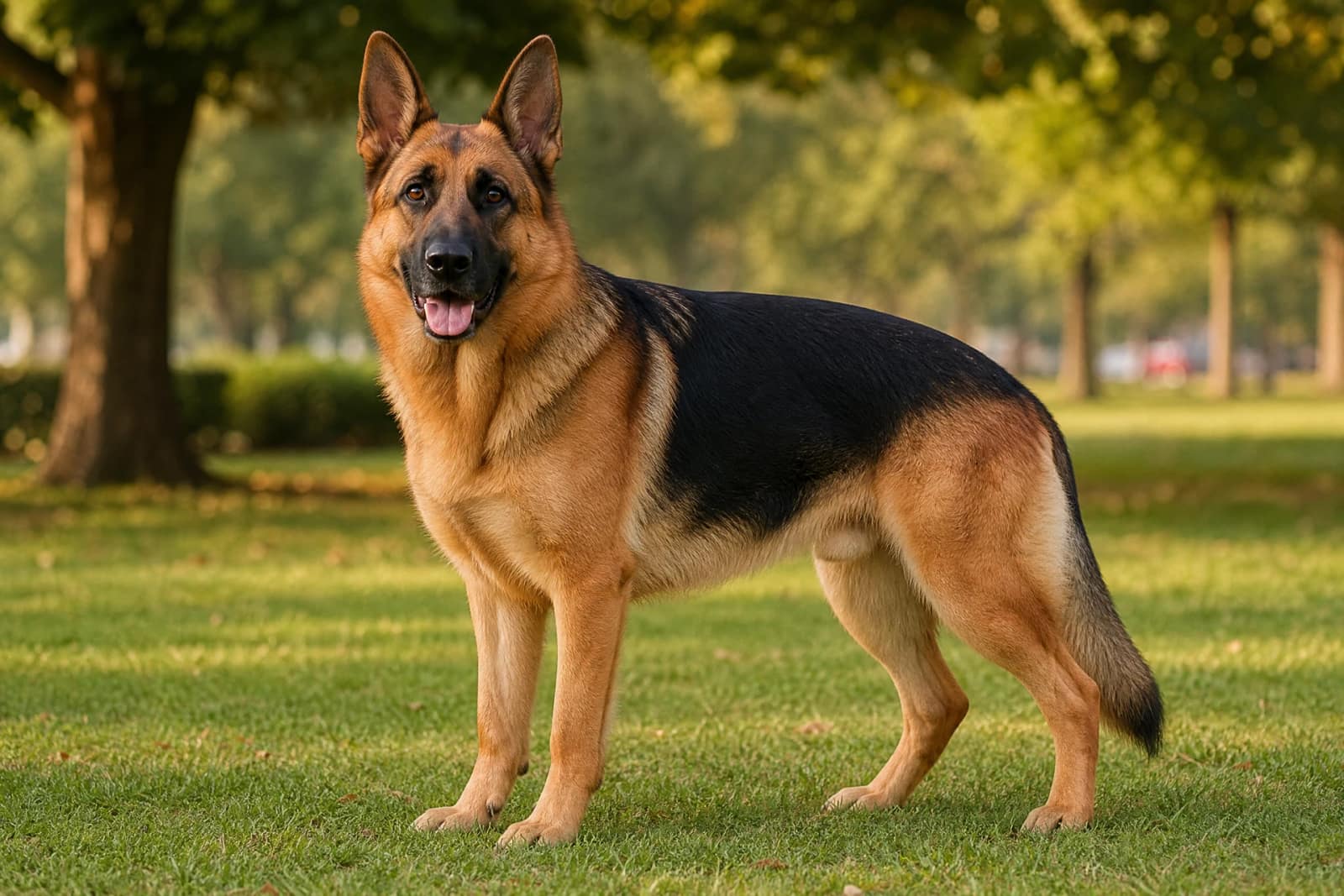
German Shepherd Dog
Origin: Germany
Weight
50–90 lbs
Height
22–26 inches
Lifespan
9–13 years
Coat
Medium-length double coat
Breeder Cost
$1,500–$4,000
Adoption Cost
$50–$300
Personality & Temperament
The German Shepherd is one of the most versatile and capable dogs ever bred. Fiercely loyal to their family, they are natural protectors who take their role seriously. GSDs are highly intelligent — they rank third in canine intelligence — and thrive when given a purpose. They excel as police dogs, military dogs, search-and-rescue dogs, and devoted family companions.
Best For
Experienced dog owners, active individuals or families, those who can commit to training and daily vigorous exercise
Exercise & Activity Needs
German Shepherds need 90+ minutes of vigorous exercise daily, plus mental stimulation. They were bred to work all day and will become destructive or anxious without sufficient activity. Agility, Schutzhund, tracking, and advanced obedience training are ideal outlets.
Grooming & Coat Care
GSDs shed constantly and blow their coat twice a year in dramatic fashion — earning the nickname 'German Shedder.' Daily brushing during shedding season and 2–3 times weekly otherwise is essential. Bathe every 6–8 weeks. Their double coat should never be shaved.
Coat type: Medium-length double coat; dense undercoat
Common Health Conditions
Hip dysplasia and degenerative myelopathy are the most serious concerns for GSDs. Always buy from breeders who provide OFA hip certifications and DM DNA test results. Keeping your GSD lean and fit significantly reduces joint stress.
Hip Dysplasia
GSDs have one of the highest rates of hip dysplasia of any breed. OFA or SV hip certification is mandatory for responsible breeding.
Degenerative Myelopathy
A progressive spinal cord disease that causes hind-end weakness and eventual paralysis. DNA testing can identify carriers.
Bloat (GDV)
Gastric dilatation-volvulus is a life-threatening emergency where the stomach twists. Feed multiple small meals and avoid exercise after eating.
Exocrine Pancreatic Insufficiency (EPI)
The pancreas fails to produce enough digestive enzymes, causing weight loss despite a ravenous appetite. Manageable with enzyme supplements.
Elbow Dysplasia
Abnormal elbow joint development causing lameness. Common in large working breeds.
History & Origin
The German Shepherd Dog was standardized in Germany in 1899 by cavalry captain Max von Stephanitz, who envisioned the ideal German herding and working dog. Von Stephanitz spent decades refining the breed's intelligence, loyalty, and versatility. The breed gained international fame during World War I, when thousands served as messenger dogs, guard dogs, and Red Cross dogs. Rin Tin Tin, a GSD rescued from a WWI battlefield, became Hollywood's first canine superstar.
Interesting Facts
- 1
German Shepherds rank 3rd in canine intelligence, behind only Border Collies and Poodles.
- 2
Rin Tin Tin, a German Shepherd rescued from a WWI battlefield, received the most votes for the first Academy Award for Best Actor — but the Academy decided a human should win.
- 3
Their nose has approximately 225 million scent receptors, compared to a human's 5 million.
- 4
GSDs are used by more police and military units worldwide than any other breed.
- 5
The breed is sometimes called 'German Shedder' by owners because of their year-round heavy shedding.
Cost of Ownership
Owning a German Shepherd Dog is a long-term financial commitment. Here's a realistic breakdown of what to budget for.
Annual Cost
$1,600–$2,800
First Year (incl. setup)
$3,800–$5,500
Active working breed needs high-protein diet
Hip screening important; degenerative myelopathy risk
Double coat sheds heavily; deshedding tools essential
Structured training is non-negotiable for this breed
Mental enrichment toys critical for this intelligent breed
Recommended given orthopedic and degenerative risks
* Estimates based on national averages. Costs vary by location, lifestyle, and individual health needs. Emergency vet visits are not included.
Popularity & Adoption Trends
Estimated US Population
~5 million in the US
Adoption Trend
German Shepherds consistently rank in the top 5 most popular breeds in the US. Demand from working-dog sectors (police, military, service) keeps breeding programs active, while family adoption remains strong. Rescue organizations note high intake numbers, often from owners who underestimated their exercise and training needs.
Plan daily life with your German Shepherd Dog
Use the guides below to compare practical options alongside this breed's care needs.
Pet Tech Essentials
The right technology makes dog ownership easier, safer, and more connected — whether you're home or away. These are the products our editors consider must-haves for every dog owner.
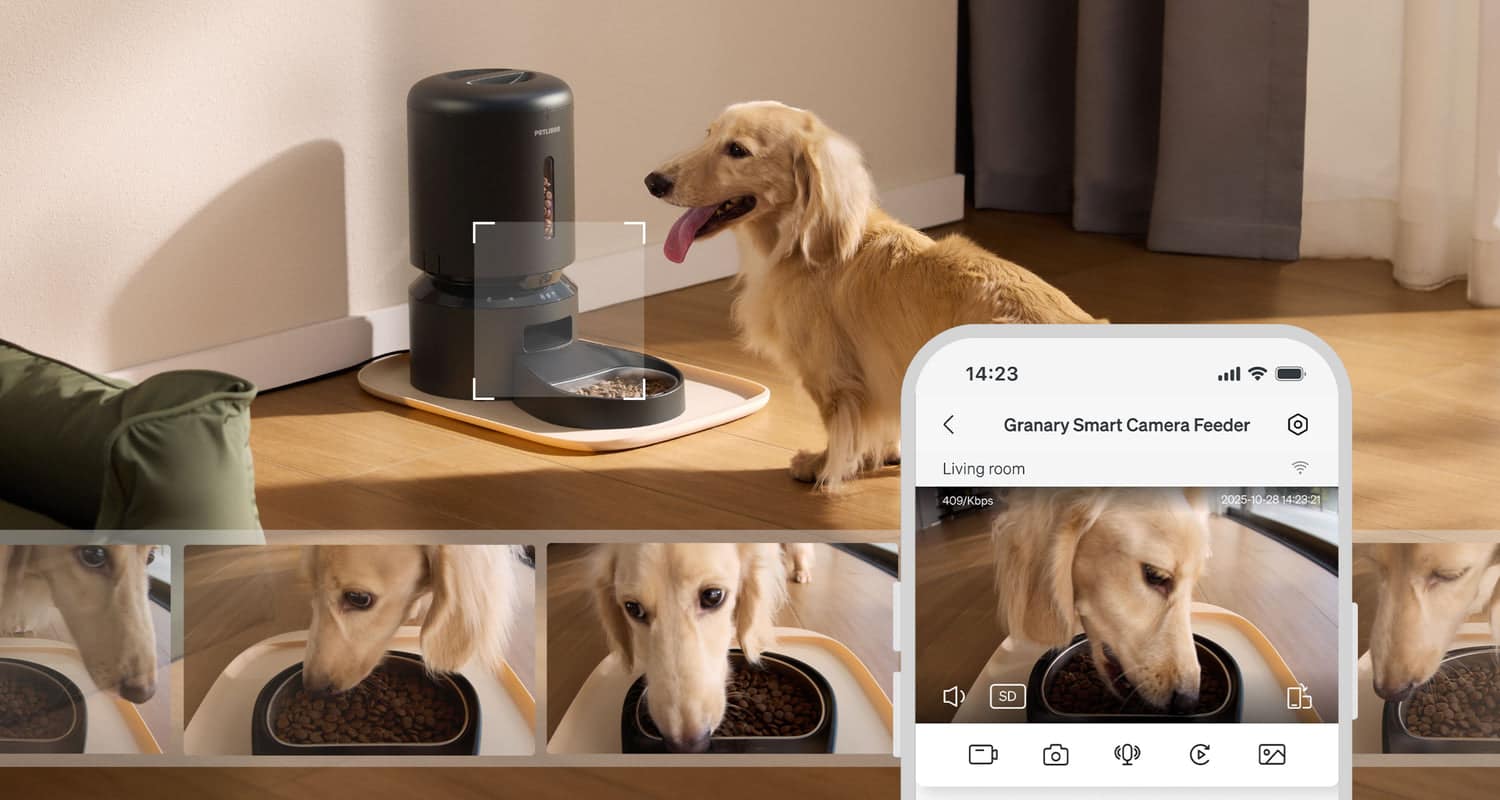
Automatic Feeder
Schedule precise meals so your dog eats right — even when you're not home.

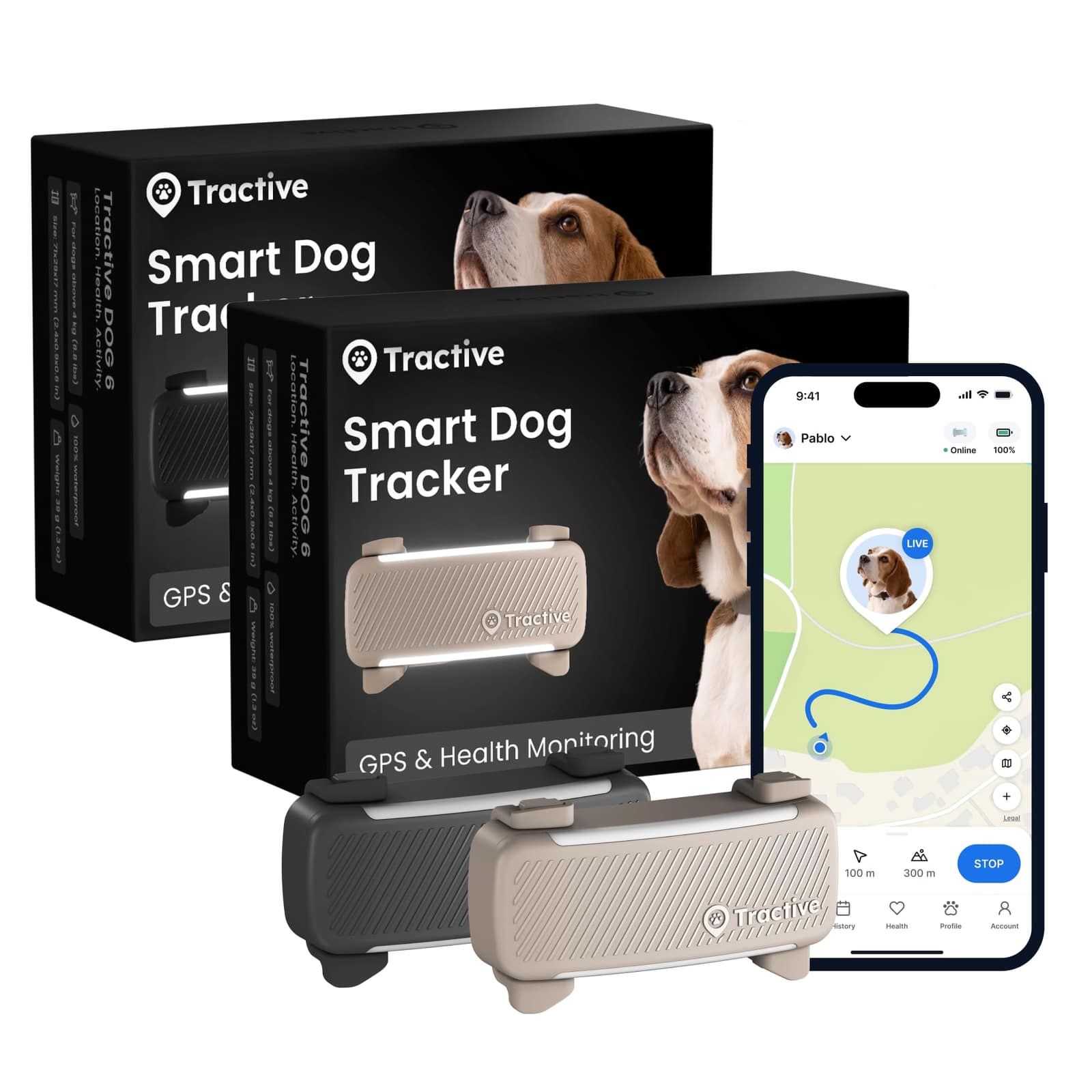
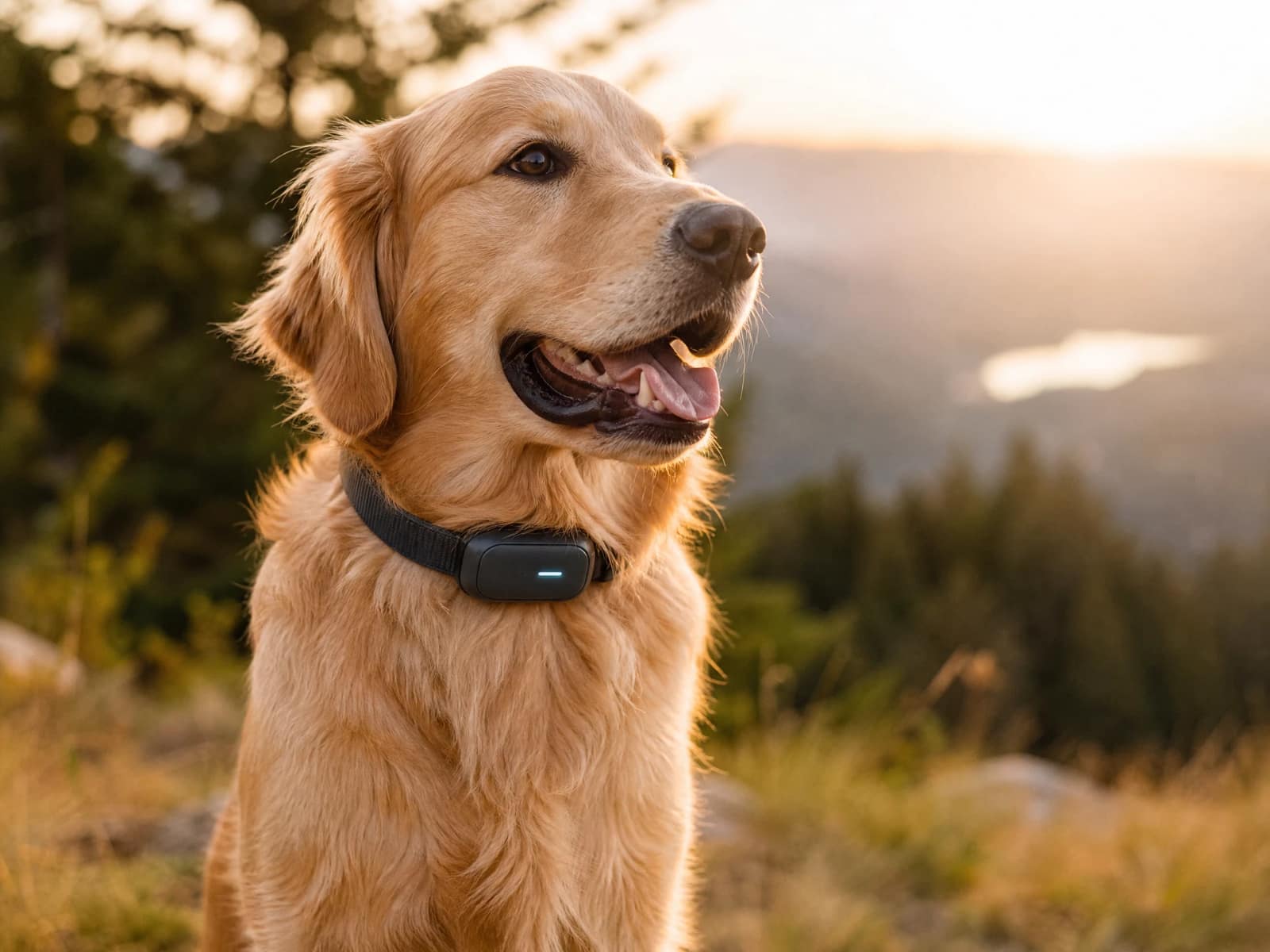
GPS Tracker
Real-time location tracking — because dogs follow their nose, not the fence line.
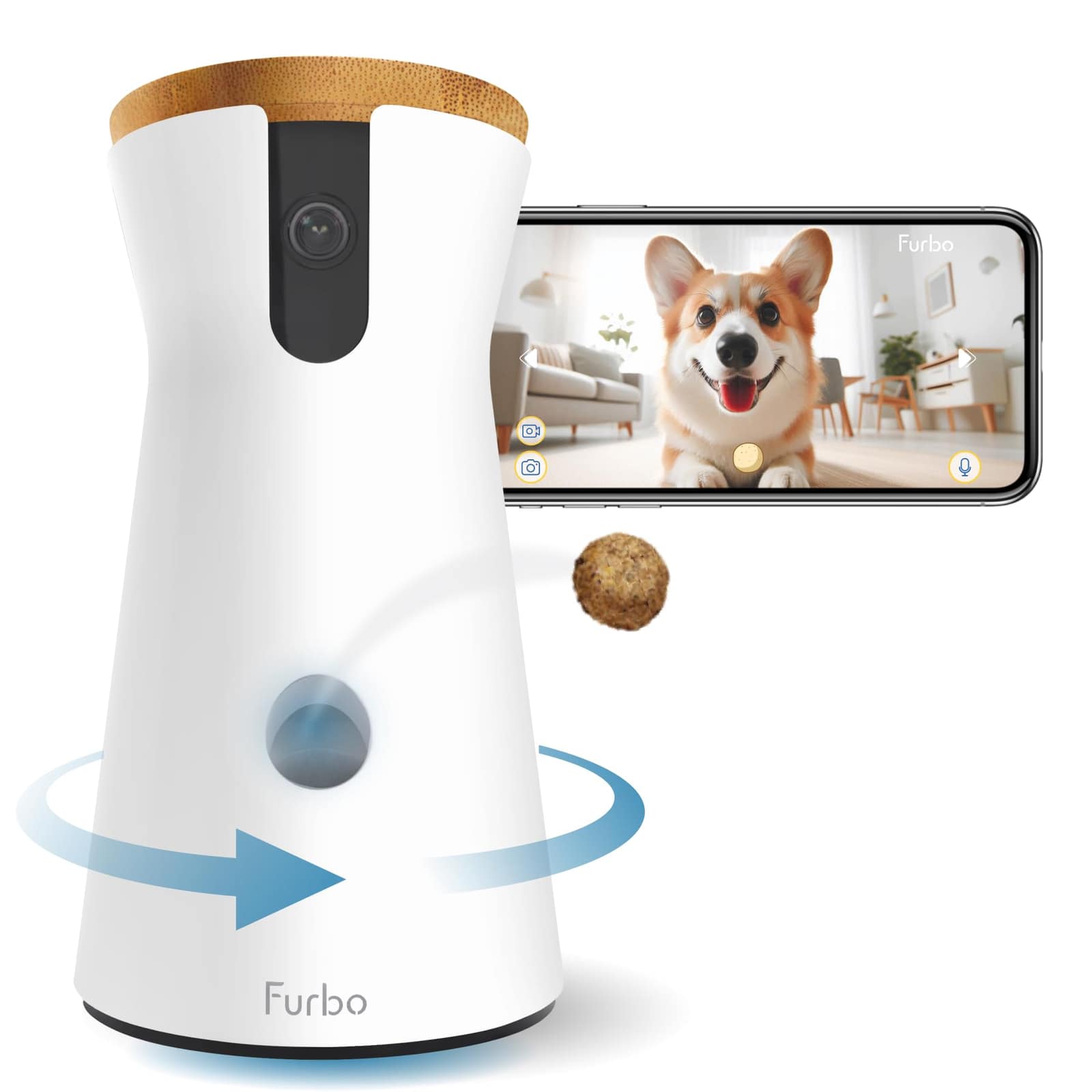
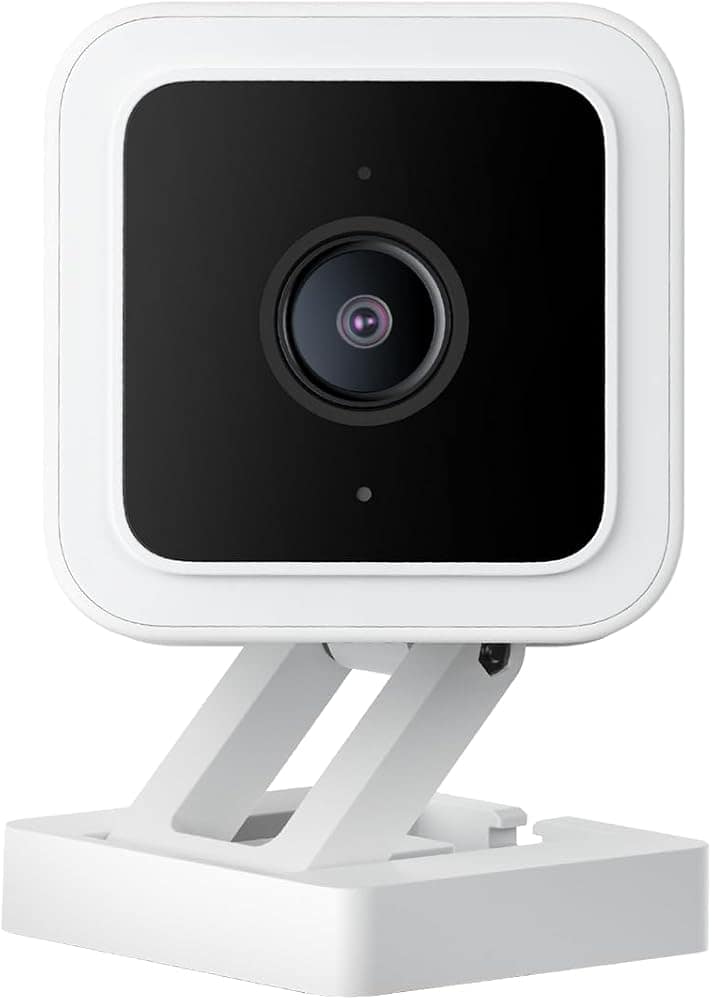
Pet Camera
Two-way audio and HD video — stay connected and soothe your dog from anywhere.

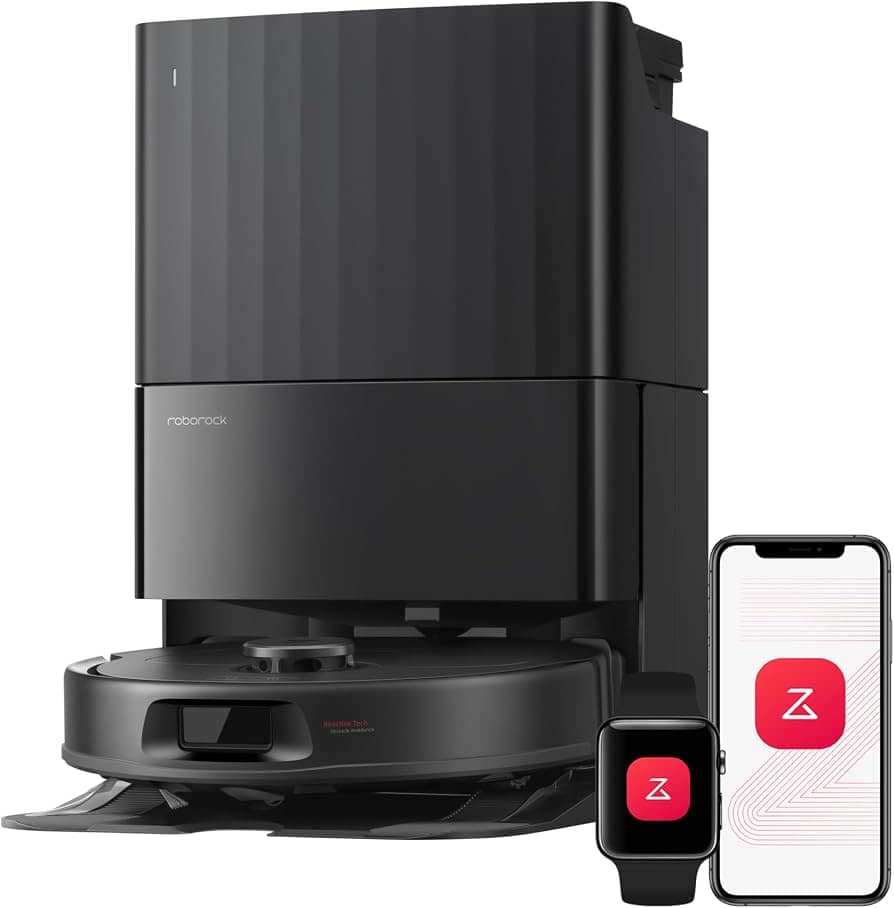
Robot Vacuum
Built for pet hair — keeps your home clean without lifting a finger.
Recommended Products by Life Stage
Products marked with SmartPaws Recommended are ones we've independently reviewed and recommend across the site. All Amazon links include our affiliate tag — purchases support SmartPaws at no extra cost to you.
Puppy / Kitten Stage
Adult Stage
GPS Tracker
Tractive Smart Dog GPS Tracker
GSDs are athletic and can cover ground quickly — GPS tracking is essential.
SmartPaws RecommendedDeshedding Tool
FURminator Undercoat Deshedding Tool
The GSD's double coat requires serious deshedding management.
SmartPaws RecommendedJoint Supplement
Nutramax Cosequin Maximum Strength Joint Supplement
Proactive joint support for a breed with high hip dysplasia rates.
SmartPaws RecommendedBreed Traits
Temperament
Climate & Physical
Compatibility
Rural & Outdoor
Scores reflect breed tendencies. Individual training significantly affects both livestock safety and off-leash reliability.
Health & Longevity
Based on breed-specific genetic health risks and common conditions
Consider Adopting
Many German Shepherd Dogs are waiting in shelters and breed-specific rescues. Adoption costs are typically $50–$300 vs. $1,500–$4,000 from a breeder.
Read our Rescue Guide →How to Train a German Shepherd Dog
Breed-specific challenges, techniques, and training timeline — written specifically for German Shepherd Dog owners.
Read Training GuideDownload the German Shepherd Dog Guide
Get a printable PDF with traits, cost of ownership, health notes, and best-fit summary — free.