SmartPawsGuides, comparisons & trusted resources — Guides & trusted resources — always independent.

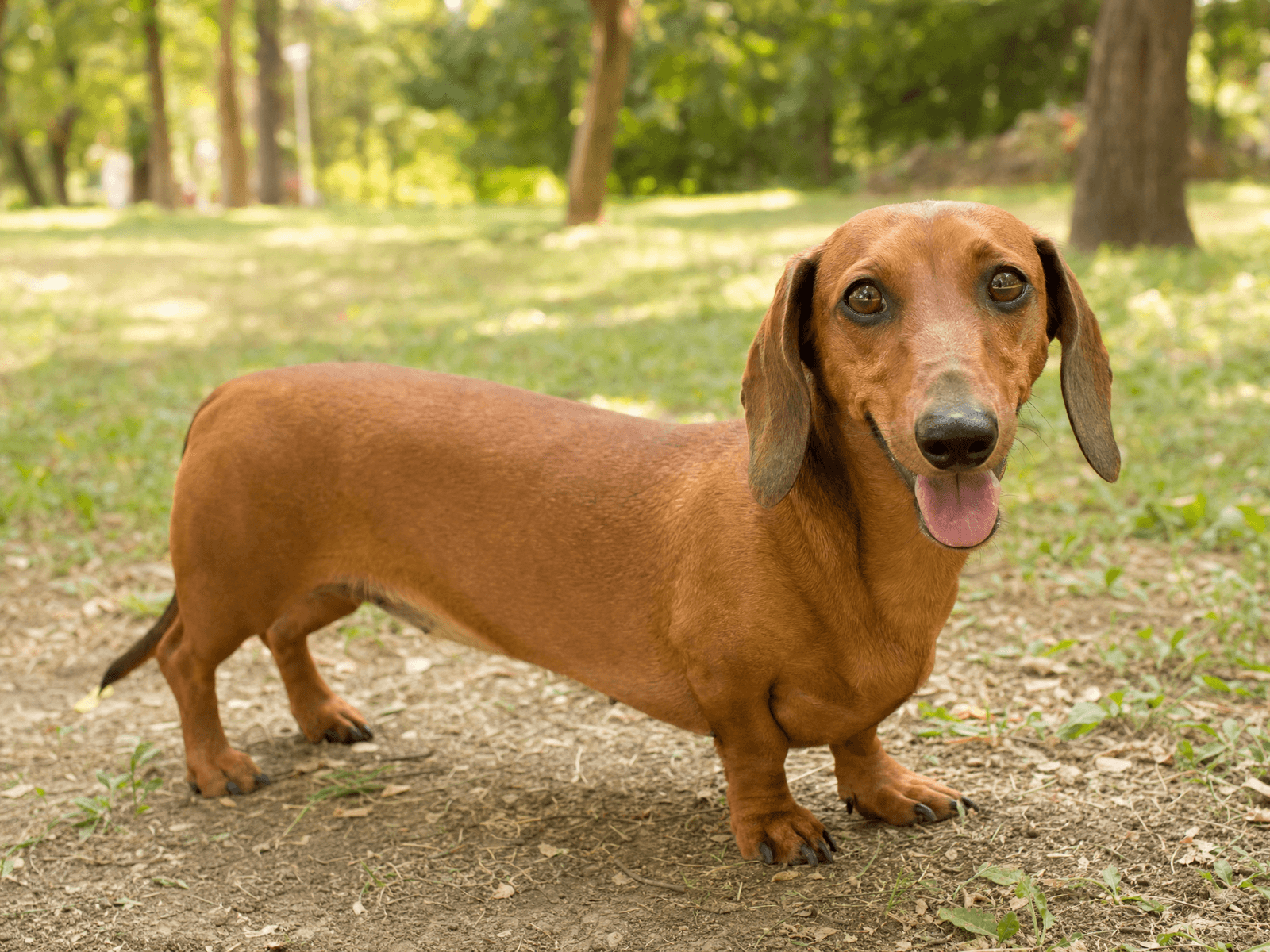
Dachshund
Origin: Germany
Weight
8–32 lbs (miniature: under 11 lbs)
Height
5–9 inches
Lifespan
12–16 years
Coat
Smooth, wirehaired, or longhaired
Breeder Cost
$500–$2,000
Adoption Cost
$50–$200
Personality & Temperament
Dachshunds are bold, curious, and surprisingly brave for their size — they were bred to hunt badgers underground, after all. They are devoted to their families but can be stubborn and independent. Their long body and short legs make them instantly recognizable, and their big personalities make them endlessly entertaining companions.
Best For
Apartment dwellers, seniors, those who want a devoted companion, people who can manage a stubborn but lovable personality
Exercise & Activity Needs
Dachshunds need 30–60 minutes of moderate exercise daily. Avoid activities that stress their long spine — no jumping on/off furniture, no stairs if possible. Use ramps instead. Their strong prey drive means they should always be on a leash outdoors.
Grooming & Coat Care
Smooth Dachshunds need only weekly brushing. Longhaired Dachshunds need brushing 2–3 times weekly. Wirehaired Dachshunds need hand-stripping or professional grooming twice a year. All varieties need regular nail trims and ear cleaning.
Coat type: Smooth, wirehaired, or longhaired
Common Health Conditions
IVDD is the defining health challenge for Dachshunds. Preventing obesity and limiting jumping are the two most important things you can do. Many Dachshunds with IVDD recover with surgery or conservative management, but prevention is far better.
Intervertebral Disc Disease (IVDD)
The most serious health concern for Dachshunds. Their long spine and short legs make them extremely prone to disc herniation, which can cause paralysis. Prevent jumping and use ramps.
Obesity
Extra weight dramatically increases the risk of IVDD. Keeping your Dachshund lean is the most important thing you can do for their health.
Patellar Luxation
The kneecap slips out of place, causing intermittent lameness. Common in small breeds.
Dental Disease
Small breeds are prone to dental disease. Daily brushing or dental water additives are essential.
Progressive Retinal Atrophy
A degenerative eye condition leading to blindness. More common in miniature Dachshunds.
History & Origin
The Dachshund was developed in Germany in the 15th century specifically to hunt badgers — 'Dachs' means badger and 'Hund' means dog in German. Their elongated body and short legs allowed them to enter badger burrows, while their loud bark signaled their location underground. Standard Dachshunds hunted badgers and wild boar; miniatures were bred for rabbit hunting. The breed was brought to America in the late 1800s.
Interesting Facts
- 1
The name 'Dachshund' means 'badger dog' in German — they were bred specifically to hunt badgers underground.
- 2
Their long spine makes them prone to Intervertebral Disc Disease (IVDD) — they should never be allowed to jump from heights.
- 3
Dachshunds were the first Olympic mascot — 'Waldi' the Dachshund was the official mascot of the 1972 Munich Olympics.
- 4
Despite their small size, Dachshunds were bred to be fearless — they would enter badger dens alone to fight animals twice their size.
- 5
The world's longest hot dog bun was created to honor the Dachshund's silhouette at a 2011 food festival.
Cost of Ownership
Owning a Dachshund is a long-term financial commitment. Here's a realistic breakdown of what to budget for.
Annual Cost
$900–$1,600
First Year (incl. setup)
$2,200–$3,800
Small portions; weight management critical for spine health
IVDD spinal surgery can cost $5,000–$10,000 if needed
Varies by coat type; longhaired needs more maintenance
Stubborn but smart; patience and consistency required
Ramps for furniture access protect the spine
Critical — IVDD surgery is one of the costliest dog procedures
* Estimates based on national averages. Costs vary by location, lifestyle, and individual health needs. Emergency vet visits are not included.
Popularity & Adoption Trends
Estimated US Population
~2.5 million in the US
Adoption Trend
Dachshunds have seen a notable popularity resurgence, particularly miniature Dachshunds in urban settings. Their distinctive silhouette and bold personality make them social media favorites. The 'wiener dog' has become a cultural icon, driving merchandise, events (Wiener Dog Races), and adoption demand.
Plan daily life with your Dachshund
Use the guides below to compare practical options alongside this breed's care needs.
Pet Tech Essentials
The right technology makes dog ownership easier, safer, and more connected — whether you're home or away. These are the products our editors consider must-haves for every dog owner.
Automatic Feeder
Schedule precise meals so your dog eats right — even when you're not home.


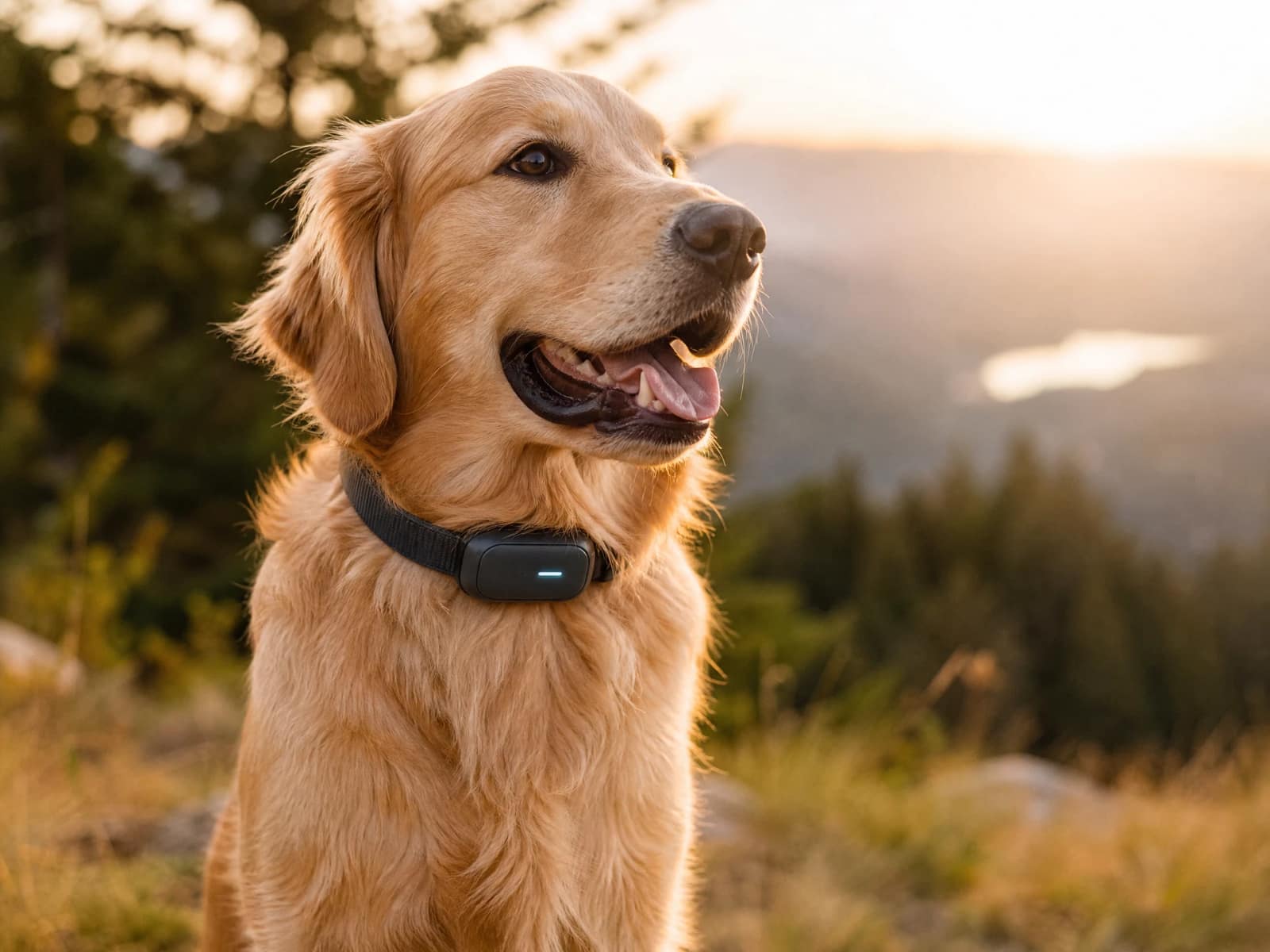
GPS Tracker
Real-time location tracking — because dogs follow their nose, not the fence line.

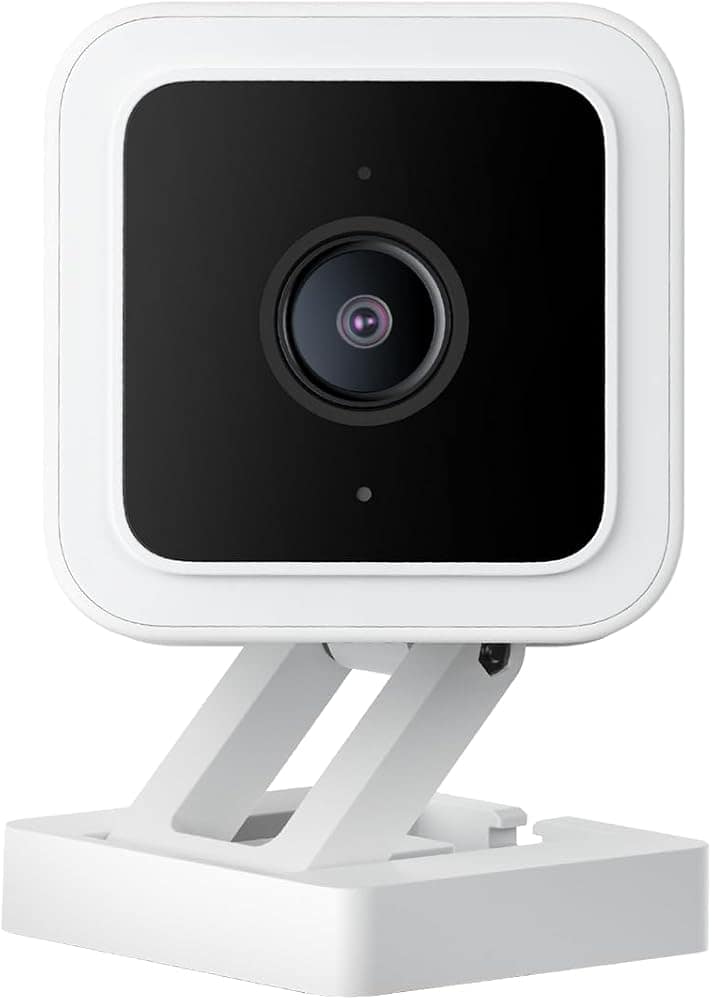
Pet Camera
Two-way audio and HD video — stay connected and soothe your dog from anywhere.


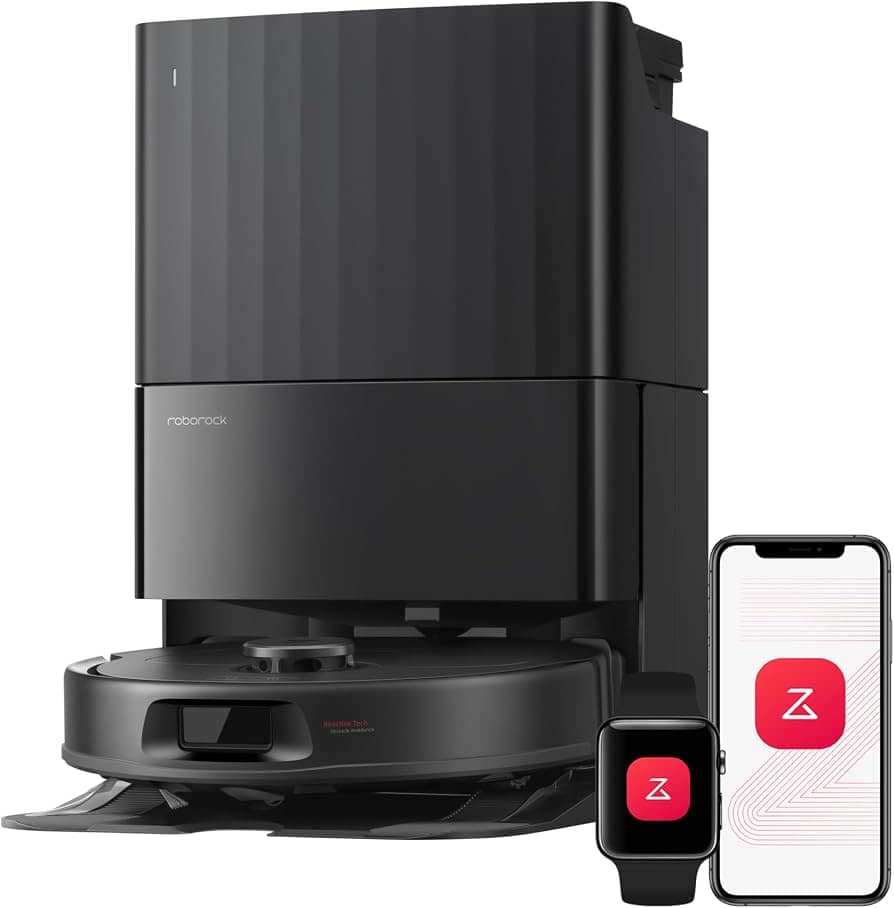
Robot Vacuum
Built for pet hair — keeps your home clean without lifting a finger.
Recommended Products by Life Stage
Products marked with SmartPaws Recommended are ones we've independently reviewed and recommend across the site. All Amazon links include our affiliate tag — purchases support SmartPaws at no extra cost to you.
Puppy / Kitten Stage
Adult Stage
Dental Care
Oxyfresh Premium Pet Dental Water Additive
Small breeds need dental care — water additive is the easiest daily solution.
SmartPaws RecommendedCalming Aid
ThunderShirt Classic Dog Anxiety Jacket
Dachshunds can be anxious — ThunderShirt helps during storms and travel.
SmartPaws RecommendedGPS Tracker
Tractive Smart Dog GPS Tracker
Dachshunds follow their nose and can disappear quickly.
SmartPaws RecommendedSenior Stage
Breed Traits
Temperament
Climate & Physical
Compatibility
Rural & Outdoor
Scores reflect breed tendencies. Individual training significantly affects both livestock safety and off-leash reliability.
Health & Longevity
Based on breed-specific genetic health risks and common conditions
Consider Adopting
Many Dachshunds are waiting in shelters and breed-specific rescues. Adoption costs are typically $50–$200 vs. $500–$2,000 from a breeder.
Read our Rescue Guide →How to Train a Dachshund
Breed-specific challenges, techniques, and training timeline — written specifically for Dachshund owners.
Read Training GuideDownload the Dachshund Guide
Get a printable PDF with traits, cost of ownership, health notes, and best-fit summary — free.