SmartPawsGuides, comparisons & trusted resources — Guides & trusted resources — always independent.


Chinese Crested
Origin: China / Africa
Weight
8–12 lbs
Height
11–13 inches
Lifespan
13–18 years
Coat
Hairless with hair on head, tail, and feet (Hairless variety) or a full soft, silky coat (Powderpuff variety)
Breeder Cost
$1,200–$2,500
Adoption Cost
$150–$600
Personality & Temperament
The Chinese Crested is an affectionate, lively, and highly devoted companion that loves nothing more than being close to its humans. They are alert and playful little dogs who get along well with other pets and enjoy indoor games. Due to their sensitive and velcro nature, they thrive on constant human companionship.
Best For
An affectionate owner who works from home or spends a lot of time indoors and can offer plenty of lap time and gentle care.
Exercise & Activity Needs
Moderate daily play and short walks are sufficient to keep this small breed happy and healthy.
Grooming & Coat Care
Hairless varieties require regular skin care including bathing and moisturizing to prevent blemishes, while Powderpuffs require regular brushing to maintain their soft double coat.
Coat type: Hairless with hair on head, tail, and feet (Hairless variety) or a full soft, silky coat (Powderpuff variety)
Common Health Conditions
The Chinese Crested is generally a sturdy breed. Primary health concerns include Progressive Retinal Atrophy (PRA), Primary Lens Luxation (PLL), Patellar Luxation. Regular veterinary checkups, appropriate health screenings, and responsible breeding practices help minimize these risks.
Progressive Retinal Atrophy (PRA)
An inherited eye disease that causes gradual degradation of the retina, leading to blindness.
Primary Lens Luxation (PLL)
A genetic condition where the lens of the eye shifts out of its normal position.
Patellar Luxation
A common knee condition in small dogs where the kneecap dislocates.
Dental Issues
Hairless variants often suffer from missing or weak teeth due to a genetic link with hairlessness.
History & Origin
Though named Chinese Crested, ancestors of these dogs likely originated in Africa as hairless African dogs before being traded by Chinese sailors and refined into the modern toy breed.
Interesting Facts
- 1
They are prone to sunburn and acne, requiring sunscreen and skincare routines much like humans.
- 2
Despite their delicate appearance, they are surprisingly agile and excel at canine agility sports.
- 3
They have hare-like feet, which are noticeably longer and more oval than typical cat-like dog paws.
Cost of Ownership
Owning a Chinese Crested is a long-term financial commitment. Here's a realistic breakdown of what to budget for.
Annual Cost
$800–$1,500
First Year (incl. setup)
$1,500–$3,000
High-quality small breed food
Routine checkups and dental cleanings
Skin products or powderpuff coat maintenance
Sweaters, blankets, and toys
* Estimates based on national averages. Costs vary by location, lifestyle, and individual health needs. Emergency vet visits are not included.
Plan daily life with your Chinese Crested
Use the guides below to compare practical options alongside this breed's care needs.
Pet Tech Essentials
The right technology makes dog ownership easier, safer, and more connected — whether you're home or away. These are the products our editors consider must-haves for every dog owner.
Automatic Feeder
Schedule precise meals so your dog eats right — even when you're not home.


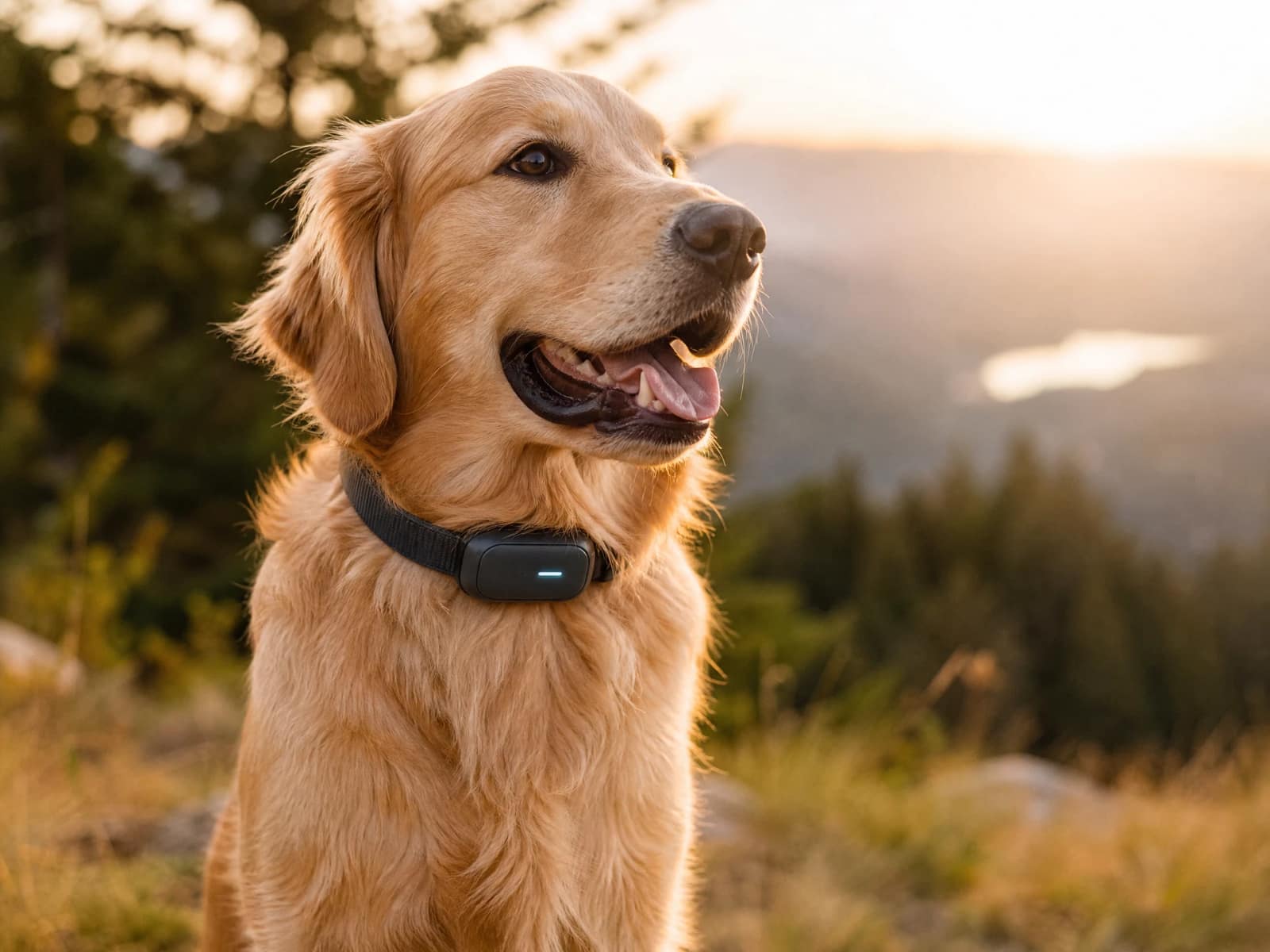
GPS Tracker
Real-time location tracking — because dogs follow their nose, not the fence line.

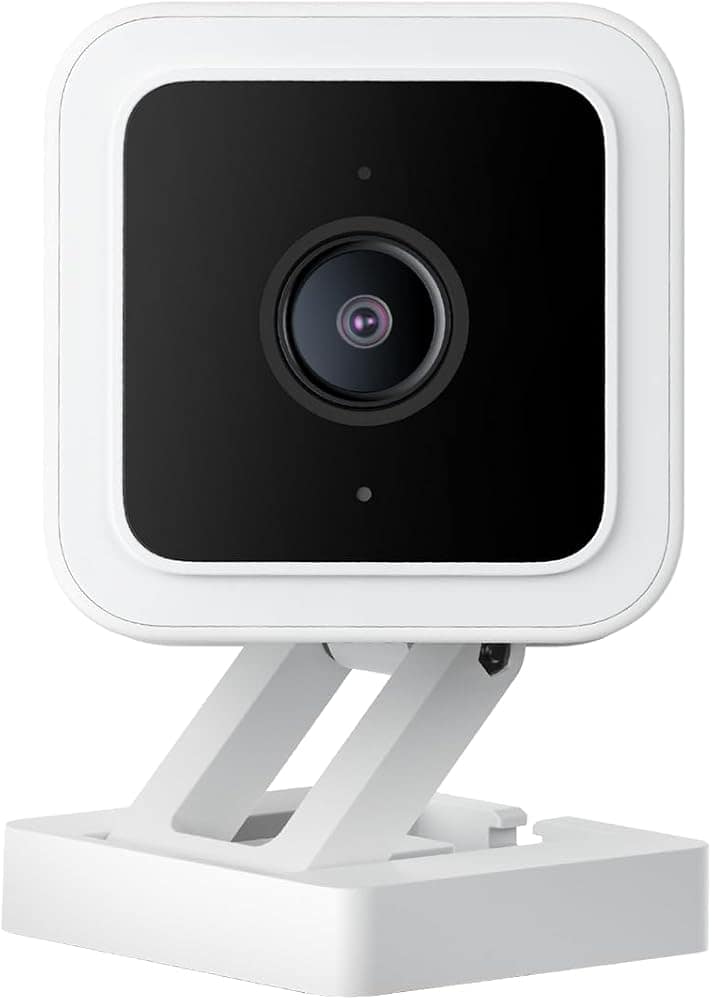
Pet Camera
Two-way audio and HD video — stay connected and soothe your dog from anywhere.


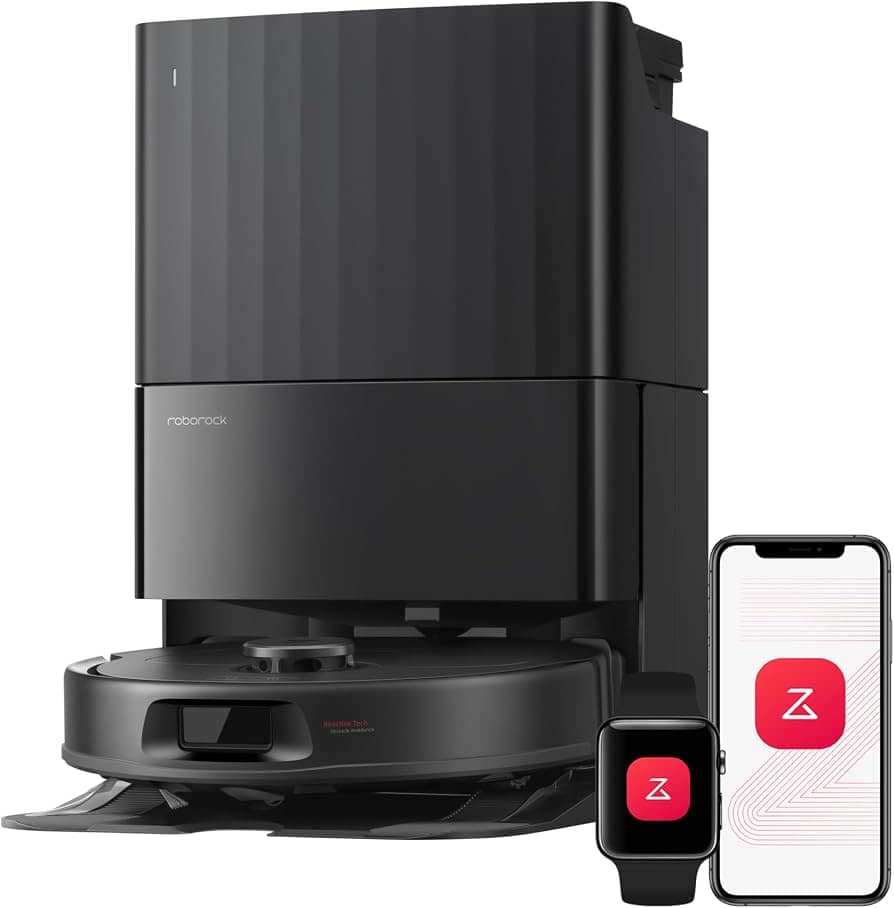
Robot Vacuum
Built for pet hair — keeps your home clean without lifting a finger.
Recommended Products by Life Stage
Products marked with SmartPaws Recommended are ones we've independently reviewed and recommend across the site. All Amazon links include our affiliate tag — purchases support SmartPaws at no extra cost to you.
Puppy / Kitten Stage
Adult Stage
Breed Traits
Temperament
Climate & Physical
Compatibility
Rural & Outdoor
Scores reflect breed tendencies. Individual training significantly affects both livestock safety and off-leash reliability.
Health & Longevity
Based on breed-specific genetic health risks and common conditions
Consider Adopting
Many Chinese Cresteds are waiting in shelters and breed-specific rescues. Adoption costs are typically $150–$600 vs. $1,200–$2,500 from a breeder.
Read our Rescue Guide →Download the Chinese Crested Guide
Get a printable PDF with traits, cost of ownership, health notes, and best-fit summary — free.