SmartPawsGuides, comparisons & trusted resources — Guides & trusted resources — always independent.


Cane Corso
Origin: Italy
Weight
88–110+ lbs
Height
23.5–27.5 inches
Lifespan
9–12 years
Coat
Short, stiff, dense coat with light undercoat
Breeder Cost
$1,500–$5,000
Adoption Cost
$50–$400
Personality & Temperament
The Cane Corso is a powerful, confident Italian mastiff with a deeply loyal and protective nature. They are affectionate with their family and reserved with strangers. A well-bred, well-socialized Cane Corso is a stable, confident companion — but this is a breed that requires an experienced, confident owner who can provide consistent leadership and socialization from puppyhood.
Best For
Experienced dog owners, those who can provide consistent leadership and socialization, active households with space
Exercise & Activity Needs
Cane Corsos need 45–60 minutes of moderate exercise daily. They are not hyperactive but need consistent exercise to maintain a healthy weight and mental balance. Avoid strenuous exercise in puppies — their rapid growth makes joints vulnerable.
Grooming & Coat Care
The Cane Corso's short coat requires minimal grooming — weekly brushing and a bath every 6–8 weeks. They drool moderately — keep a drool rag handy. Check ears and nails monthly.
Coat type: Short, stiff, dense coat with light undercoat
Common Health Conditions
Hip dysplasia and bloat are the most serious concerns for Cane Corsos. Prophylactic gastropexy surgery at the time of spay/neuter can prevent GDV and is strongly recommended for this breed.
Hip Dysplasia
Very common in large breeds. OFA certification from breeders is essential.
Bloat (GDV)
A life-threatening emergency in deep-chested breeds. Feed multiple small meals and avoid exercise after eating.
Eyelid Problems
Ectropion (drooping lower eyelid) and entropion (inward-rolling eyelid) are common in Cane Corsos.
Dilated Cardiomyopathy
Heart disease is more common in large breeds. Annual cardiac screening is recommended.
Mange (Demodicosis)
Cane Corsos can be prone to demodectic mange, especially in puppies.
Breed Restrictions & Legal Status
This breed is restricted in some locations:
- • Some European countries
- • Some US cities and states (BSL)
- • Canada (some provinces)
Breed-specific legislation based on perceived aggression risk. Well-socialized Cane Corsos are not inherently dangerous.
History & Origin
The Cane Corso is an ancient Italian breed descended from the Roman war dog Canis Pugnax, used by Roman legions in battle. After the fall of the Roman Empire, the breed was adapted for farm work in southern Italy — guarding property, hunting large game, and herding livestock. The breed nearly went extinct in the mid-20th century but was revived by Italian breed enthusiasts in the 1970s. The AKC recognized the Cane Corso in 2010.
Interesting Facts
- 1
The Cane Corso is descended from the Roman war dog Canis Pugnax, used by Roman legions in battle.
- 2
Their name comes from the Latin 'cohors,' meaning 'guardian' or 'protector.'
- 3
Cane Corsos nearly went extinct in the mid-20th century and were revived from just a handful of remaining dogs in southern Italy.
- 4
They have a bite force of approximately 700 PSI — one of the strongest of any domestic dog.
- 5
In ancient Rome, Cane Corsos were used in gladiatorial arenas to fight lions and bears.
Cost of Ownership
Owning a Cane Corso is a long-term financial commitment. Here's a realistic breakdown of what to budget for.
Annual Cost
$2,000–$3,800
First Year (incl. setup)
$4,500–$7,500
Large, muscular breed needs substantial quality food
Hip dysplasia, bloat, and heart conditions are risks
Short coat; minimal grooming but significant drool management
Professional training essential for this powerful guardian breed
Heavy-duty everything; Cane Corsos are powerful
Strongly recommended; bloat surgery alone can be $5,000+
* Estimates based on national averages. Costs vary by location, lifestyle, and individual health needs. Emergency vet visits are not included.
Popularity & Adoption Trends
Estimated US Population
~200,000 in the US
Adoption Trend
Cane Corso registrations have grown significantly over the past decade as the breed gained popularity among those seeking a powerful, loyal guardian. Their imposing appearance and reputation as a superior protection dog drive demand. However, their size, strength, and protective instincts require experienced ownership — rescue organizations report increasing intake from overwhelmed owners.
Plan daily life with your Cane Corso
Use the guides below to compare practical options alongside this breed's care needs.
Pet Tech Essentials
The right technology makes dog ownership easier, safer, and more connected — whether you're home or away. These are the products our editors consider must-haves for every dog owner.
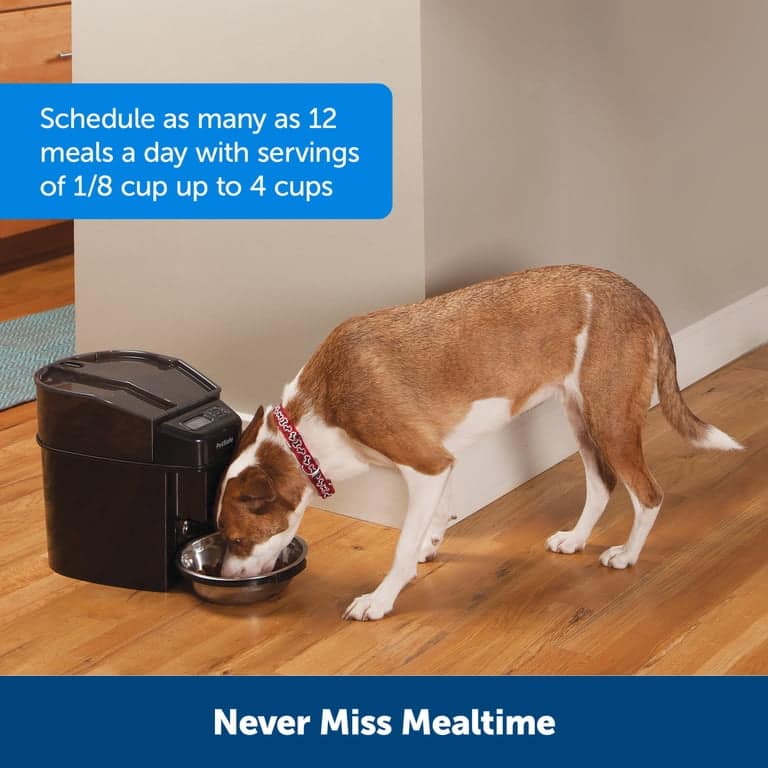
Automatic Feeder
Schedule precise meals so your dog eats right — even when you're not home.

GPS Tracker
Real-time location tracking — because dogs follow their nose, not the fence line.


Pet Camera
Two-way audio and HD video — stay connected and soothe your dog from anywhere.


Robot Vacuum
Built for pet hair — keeps your home clean without lifting a finger.
Recommended Products by Life Stage
Products marked with SmartPaws Recommended are ones we've independently reviewed and recommend across the site. All Amazon links include our affiliate tag — purchases support SmartPaws at no extra cost to you.
Puppy / Kitten Stage
Adult Stage
Joint Supplement
Nutramax Cosequin Maximum Strength Joint Supplement
Proactive joint support for a large breed prone to hip dysplasia.
SmartPaws RecommendedSlow Feeder Bowl
Outward Hound Fun Feeder Slow Bowl
Slow feeding is critical for Cane Corsos to reduce bloat risk.
GPS Tracker
Fi Series 3+ Smart GPS Dog Collar
For a guardian breed this powerful, GPS tracking is essential — know exactly where your Cane Corso is at all times.
SmartPaws RecommendedPet Camera
Furbo 360° Dog Camera
Monitor your Cane Corso's behavior and activity levels remotely with Furbo's 360° coverage.
SmartPaws RecommendedBreed Traits
Temperament
Climate & Physical
Compatibility
Rural & Outdoor
Scores reflect breed tendencies. Individual training significantly affects both livestock safety and off-leash reliability.
Health & Longevity
Based on breed-specific genetic health risks and common conditions
Consider Adopting
Many Cane Corsos are waiting in shelters and breed-specific rescues. Adoption costs are typically $50–$400 vs. $1,500–$5,000 from a breeder.
Read our Rescue Guide →Download the Cane Corso Guide
Get a printable PDF with traits, cost of ownership, health notes, and best-fit summary — free.