SmartPawsGuides, comparisons & trusted resources — Guides & trusted resources — always independent.


Briard
Origin: France
Weight
55–100 lbs
Height
22–27 inches
Lifespan
10–12 years
Coat
Long, slightly wavy double coat with a distinct beard and eyebrows
Breeder Cost
$1,200–$3,000
Adoption Cost
$200–$500
Personality & Temperament
The Briard is a devoted, intelligent, and fiercely loyal herding dog known for its characteristic 'heart wrapped in fur' devotion to family. They are confident and protective guardians, though they can be slightly wary of strangers without proper socialization.
Best For
An experienced, active owner or family with a spacious home and securely fenced yard who can commit time to regular training and rigorous coat grooming.
Exercise & Activity Needs
Requires vigorous daily exercise, such as long walks, jogging, or active play sessions, to channel their high herding energy.
Grooming & Coat Care
Demands intensive daily brushing and combing to prevent severe matting in their long, double coat, along with regular bathing.
Coat type: Long, slightly wavy double coat with a distinct beard and eyebrows
Common Health Conditions
The Briard is generally a sturdy breed. Primary health concerns include Hip Dysplasia, Congenital Stationary Night Blindness (CSND), Gastric Torsion (Bloat). Regular veterinary checkups, appropriate health screenings, and responsible breeding practices help minimize these risks.
Hip Dysplasia
A genetic malformation of the hip joint that can lead to arthritis and mobility issues.
Congenital Stationary Night Blindness (CSND)
An inherited non-progressive retinal disorder affecting night vision.
Gastric Torsion (Bloat)
A life-threatening condition where the stomach twists and accumulates gas.
History & Origin
Originating in France, the Briard (Chien de Berger Français) has centuries-old roots as a hardworking sheep herding and guarding dog, famously praised by historical figures like Thomas Jefferson and the Marquis de Lafayette.
Interesting Facts
- 1
They are often described as having 'a heart wrapped in fur' due to their intense devotion.
- 2
Thomas Jefferson imported Briards to Monticello, helping introduce the breed to America.
- 3
Their prominent beard and eyebrows are signature features that protect their eyes and face while working.
Cost of Ownership
Owning a Briard is a long-term financial commitment. Here's a realistic breakdown of what to budget for.
Annual Cost
$1,200–$2,500
First Year (incl. setup)
$2,200–$4,000
High-quality large breed kibble
Routine checkups, flea/tick prevention, and health screenings
Professional grooming tools or maintenance
Durable toys, leash, collar, and bedding
* Estimates based on national averages. Costs vary by location, lifestyle, and individual health needs. Emergency vet visits are not included.
Plan daily life with your Briard
Use the guides below to compare practical options alongside this breed's care needs.
Pet Tech Essentials
The right technology makes dog ownership easier, safer, and more connected — whether you're home or away. These are the products our editors consider must-haves for every dog owner.
Automatic Feeder
Schedule precise meals so your dog eats right — even when you're not home.


GPS Tracker
Real-time location tracking — because dogs follow their nose, not the fence line.


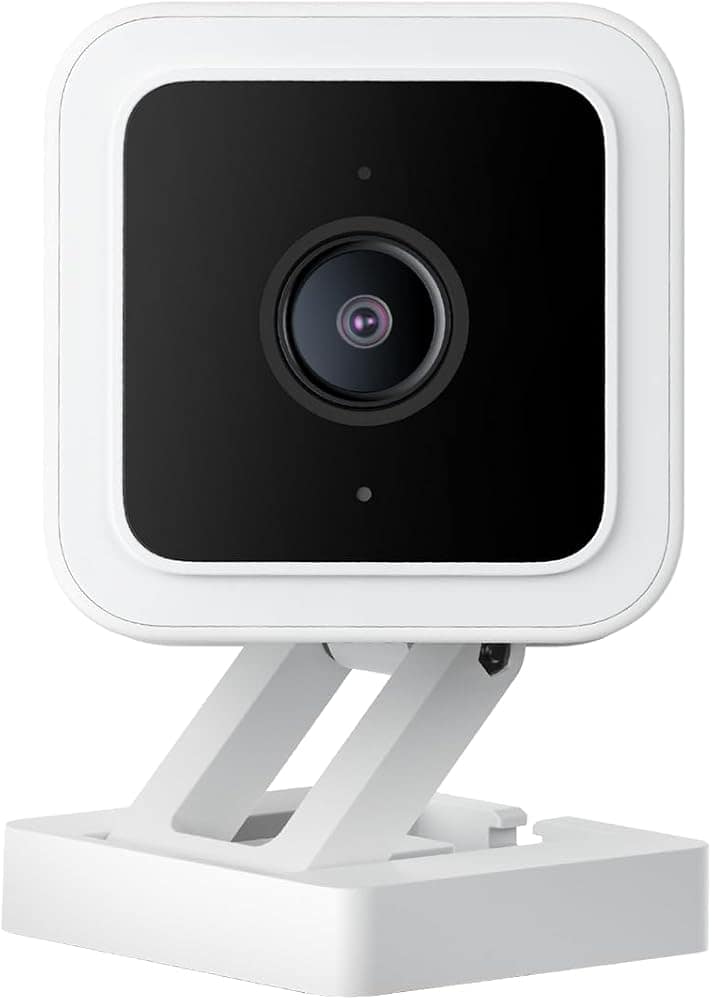
Pet Camera
Two-way audio and HD video — stay connected and soothe your dog from anywhere.


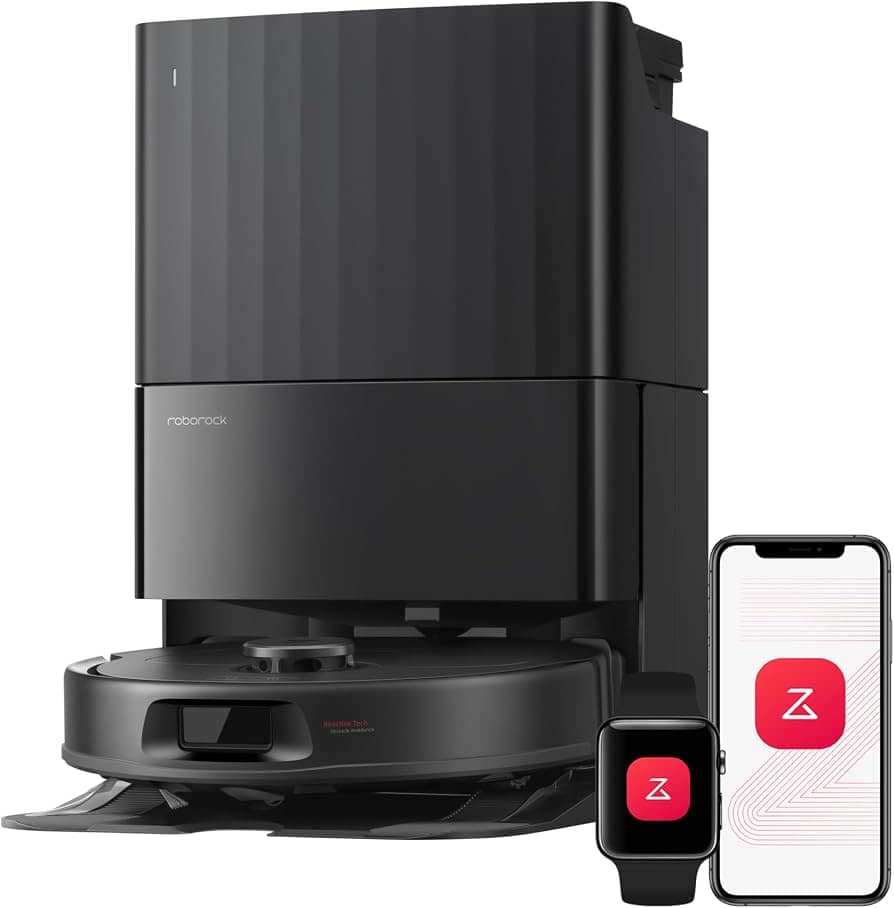
Robot Vacuum
Built for pet hair — keeps your home clean without lifting a finger.
Recommended Products by Life Stage
Products marked with SmartPaws Recommended are ones we've independently reviewed and recommend across the site. All Amazon links include our affiliate tag — purchases support SmartPaws at no extra cost to you.
Puppy / Kitten Stage
Adult Stage
Breed Traits
Temperament
Climate & Physical
Compatibility
Rural & Outdoor
Scores reflect breed tendencies. Individual training significantly affects both livestock safety and off-leash reliability.
Health & Longevity
Based on breed-specific genetic health risks and common conditions
Consider Adopting
Many Briards are waiting in shelters and breed-specific rescues. Adoption costs are typically $200–$500 vs. $1,200–$3,000 from a breeder.
Read our Rescue Guide →Download the Briard Guide
Get a printable PDF with traits, cost of ownership, health notes, and best-fit summary — free.