SmartPawsGuides, comparisons & trusted resources — Guides & trusted resources — always independent.


Boxer
Origin: Germany
Weight
50–80 lbs
Height
21–25 inches
Lifespan
10–12 years
Coat
Short, smooth, tight-fitting coat
Breeder Cost
$800–$2,500
Adoption Cost
$50–$300
Personality & Temperament
Boxers are exuberant, playful, and deeply devoted family dogs. They are known for their 'eternal puppy' quality — many Boxers remain playful and energetic well into old age. They are patient and gentle with children, making them outstanding family dogs. Their expressive faces and clownish behavior make them endlessly entertaining.
Best For
Active families with children, those who want a playful, devoted companion, experienced dog owners
Exercise & Activity Needs
Boxers need 60–90 minutes of vigorous exercise daily. They excel at agility, flyball, and obedience. Like other brachycephalic breeds, they can overheat in hot weather — exercise in the early morning or evening during summer.
Grooming & Coat Care
The Boxer's short coat requires minimal grooming — weekly brushing with a rubber curry brush and a bath every 4–6 weeks. Their facial wrinkles should be cleaned regularly to prevent skin fold infections.
Coat type: Short, smooth, tight-fitting coat
Common Health Conditions
Cancer and heart disease are the most serious concerns for Boxers. Their average lifespan of 10–12 years reflects these health challenges. Buy from breeders who cardiac-test their dogs and schedule annual wellness exams.
Cancer
Boxers have one of the highest cancer rates of any breed. Mast cell tumors, lymphoma, and brain tumors are most common. Regular vet checkups and early detection are critical.
Heart Disease
Arrhythmogenic right ventricular cardiomyopathy (ARVC) and aortic stenosis are serious concerns. Cardiac screening of breeding dogs is essential.
Hip Dysplasia
Common in medium-to-large breeds. Maintain a healthy weight to reduce joint stress.
Brachycephalic Issues
Boxers have flat faces that can cause breathing difficulties, especially in heat. Monitor for labored breathing.
Degenerative Myelopathy
A progressive spinal cord disease causing hind-end weakness. DNA testing is available.
History & Origin
The Boxer was developed in Germany in the late 19th century by crossing the now-extinct Bullenbeisser (a large hunting dog) with English Bulldogs. The Bullenbeisser was used for centuries to hunt bear, wild boar, and bison. The resulting Boxer was smaller, more agile, and better suited as a companion and working dog. The breed was used extensively in both World Wars as messenger dogs, pack carriers, and attack dogs. The AKC recognized the Boxer in 1904.
Interesting Facts
- 1
Boxers are named for their habit of standing on their hind legs and 'boxing' with their front paws when playing or fighting.
- 2
They hold the record for the longest tongue of any dog breed — a Boxer named Brandy had a tongue measuring 17 inches.
- 3
Boxers are one of the last breeds to mature — they act like puppies until age 3.
- 4
They were among the first breeds used as police dogs in Germany and were used as messenger and guard dogs in both World Wars.
- 5
Boxers are one of the most cancer-prone breeds — brain tumors and mast cell tumors are particularly common.
Cost of Ownership
Owning a Boxer is a long-term financial commitment. Here's a realistic breakdown of what to budget for.
Annual Cost
$1,600–$2,800
First Year (incl. setup)
$3,500–$5,500
Active breed; high-quality protein diet essential
Heart conditions (DCM, AS) and cancer are significant risks
Short coat; minimal professional grooming needed
Energetic and playful; early training channels their exuberance
Durable toys; Boxers play hard
Strongly recommended; heart and cancer treatment is expensive
* Estimates based on national averages. Costs vary by location, lifestyle, and individual health needs. Emergency vet visits are not included.
Popularity & Adoption Trends
Estimated US Population
~1 million in the US
Adoption Trend
Boxers maintain steady popularity as family dogs, particularly in suburban households with children. Their playful, clownish personality and protective instincts make them beloved family members. Rescue organizations note moderate intake, often from families who found their energy level overwhelming.
Plan daily life with your Boxer
Use the guides below to compare practical options alongside this breed's care needs.
Pet Tech Essentials
The right technology makes dog ownership easier, safer, and more connected — whether you're home or away. These are the products our editors consider must-haves for every dog owner.
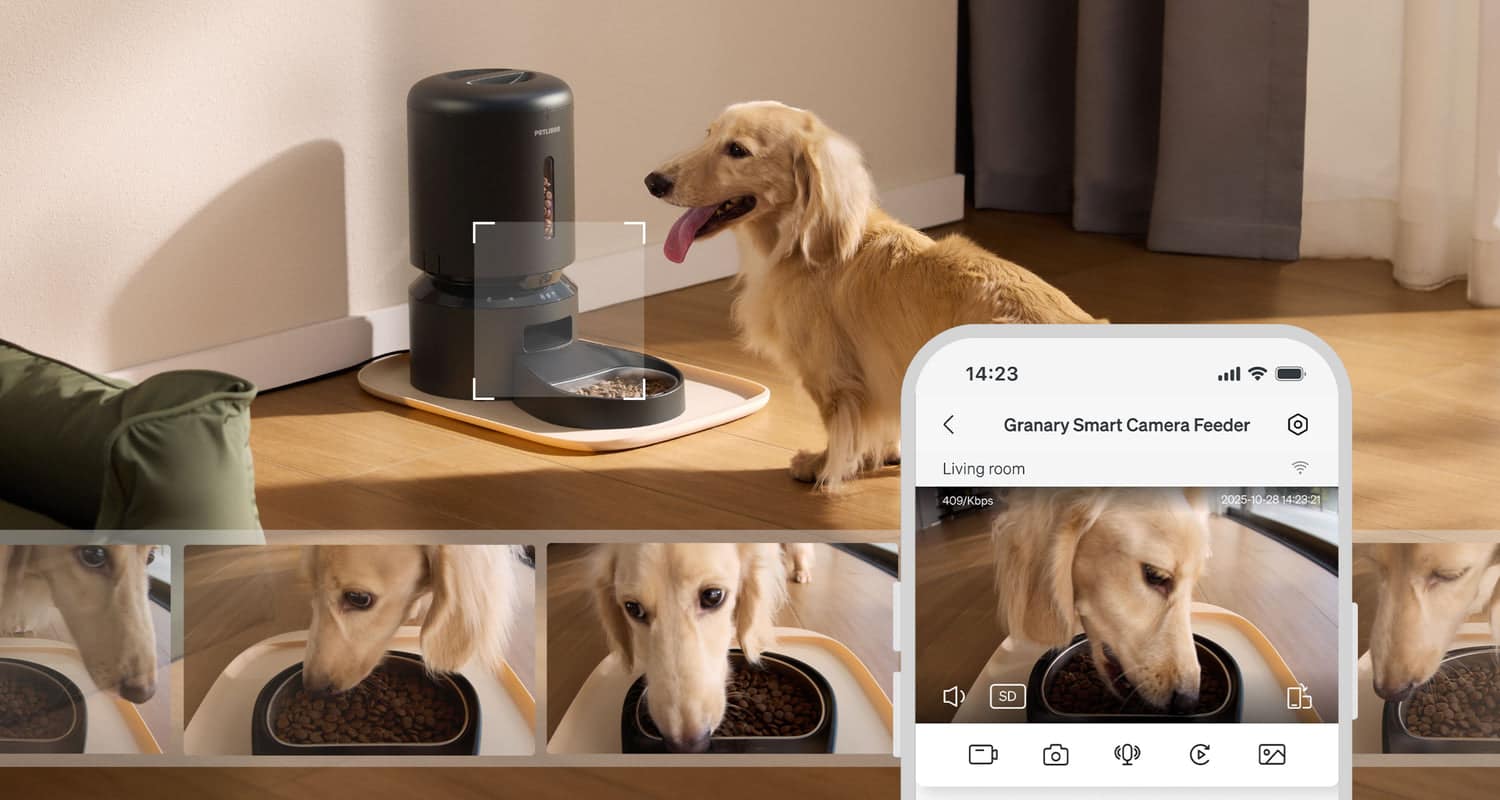
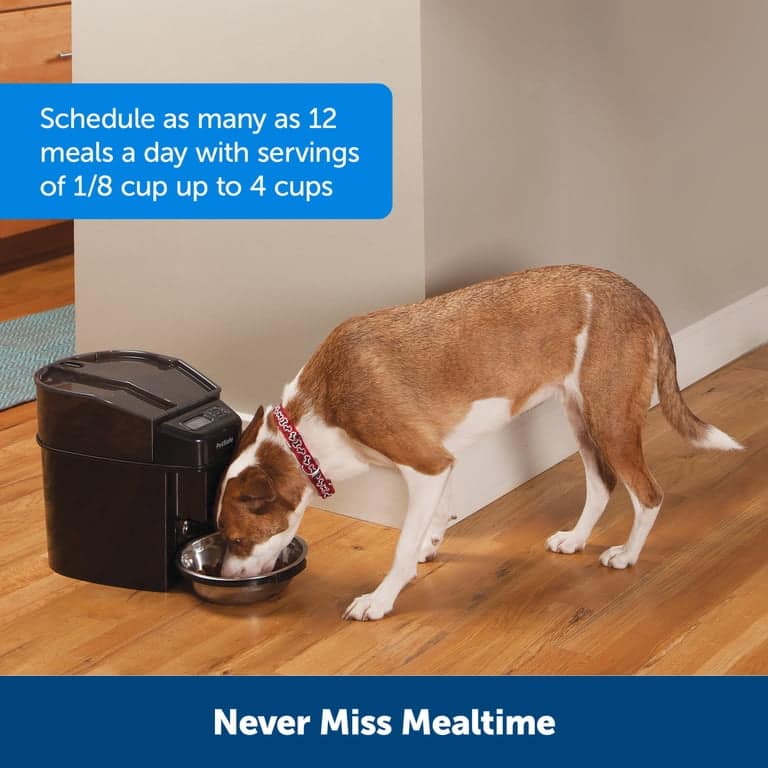
Automatic Feeder
Schedule precise meals so your dog eats right — even when you're not home.
GPS Tracker
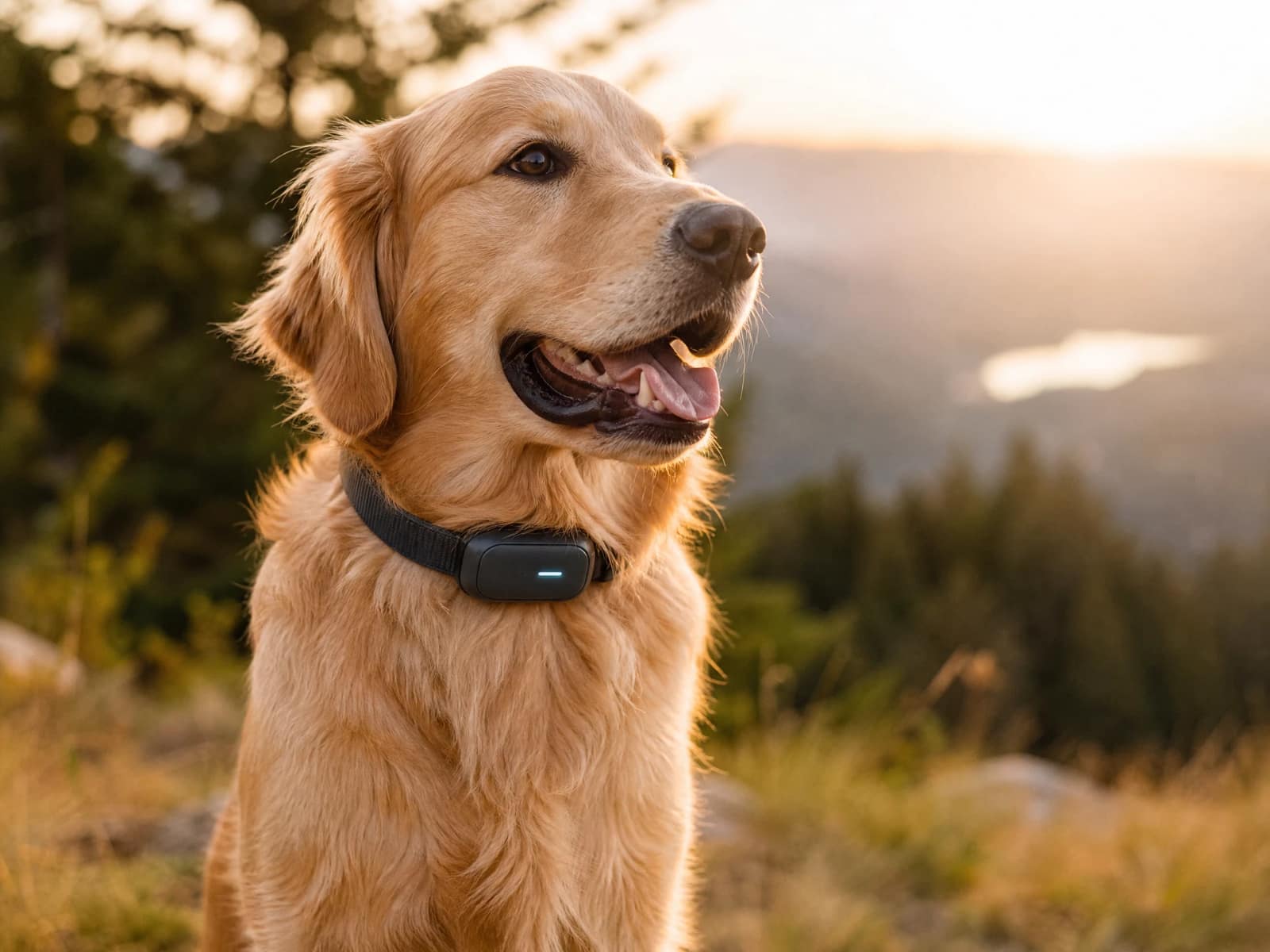
Real-time location tracking — because dogs follow their nose, not the fence line.

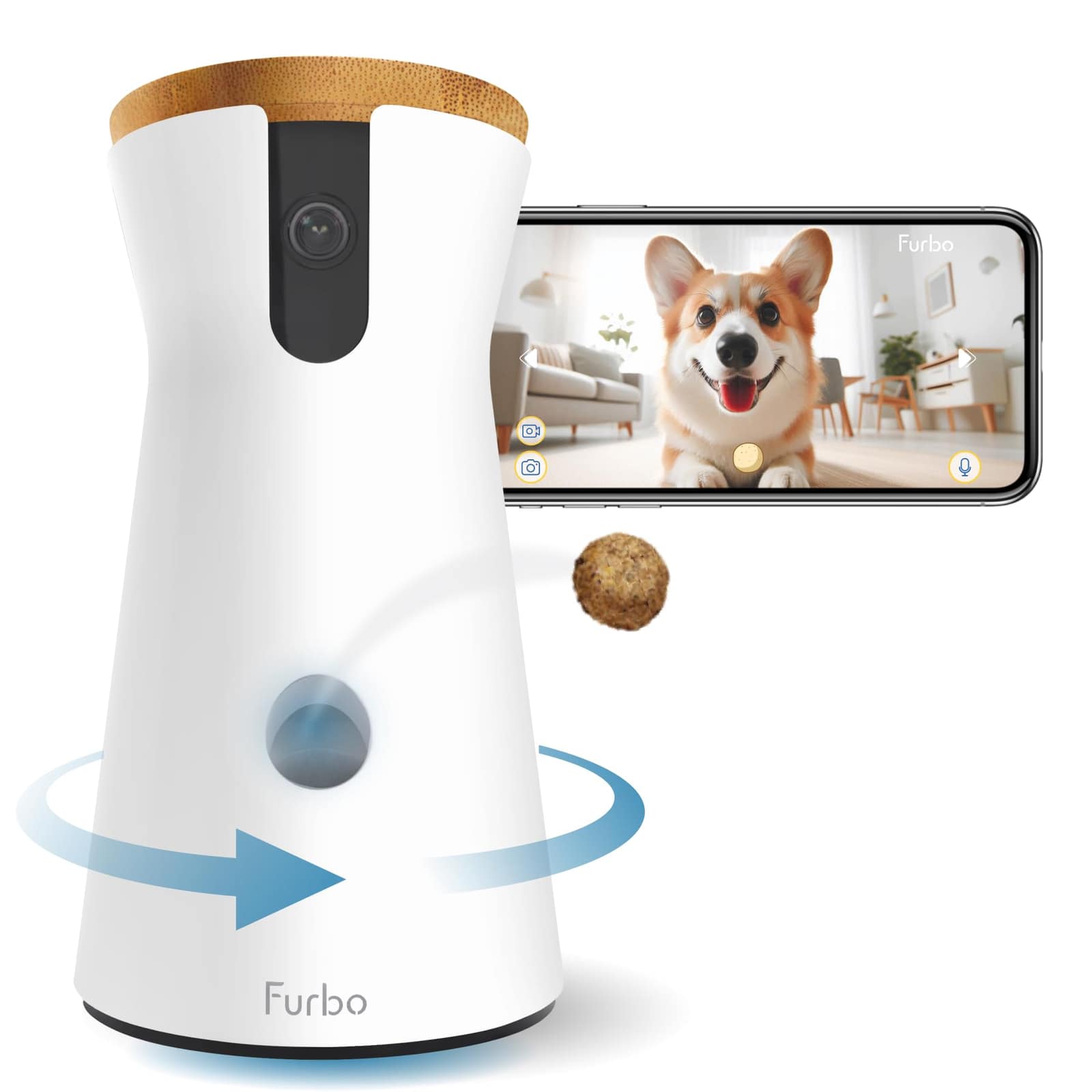
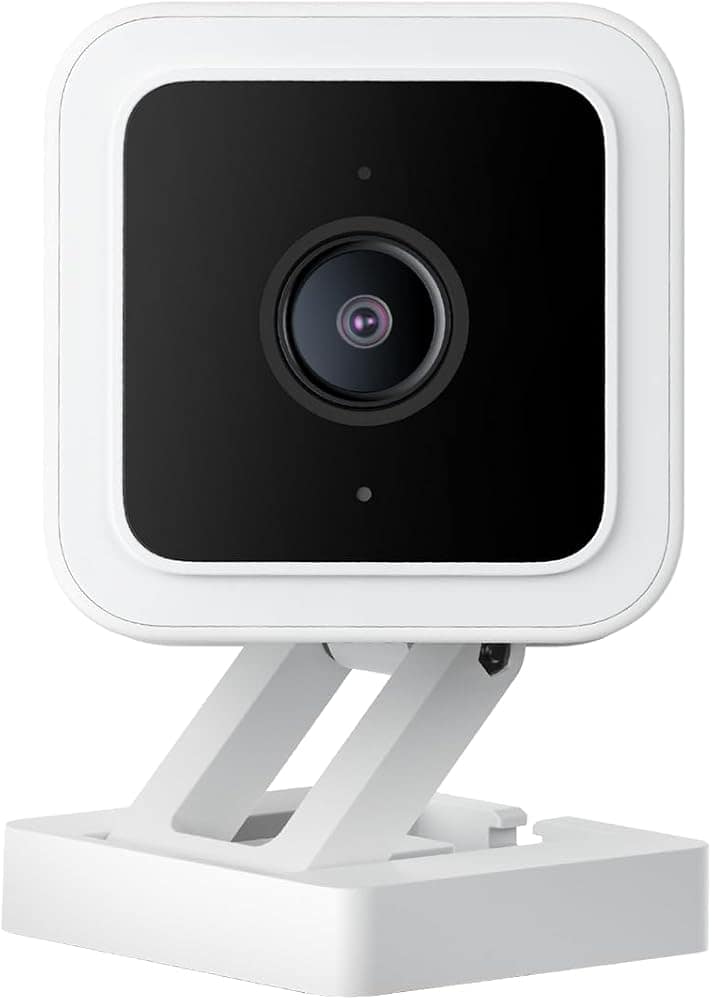
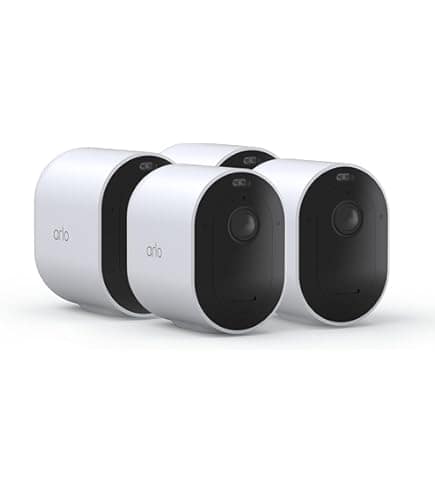
Pet Camera
Two-way audio and HD video — stay connected and soothe your dog from anywhere.
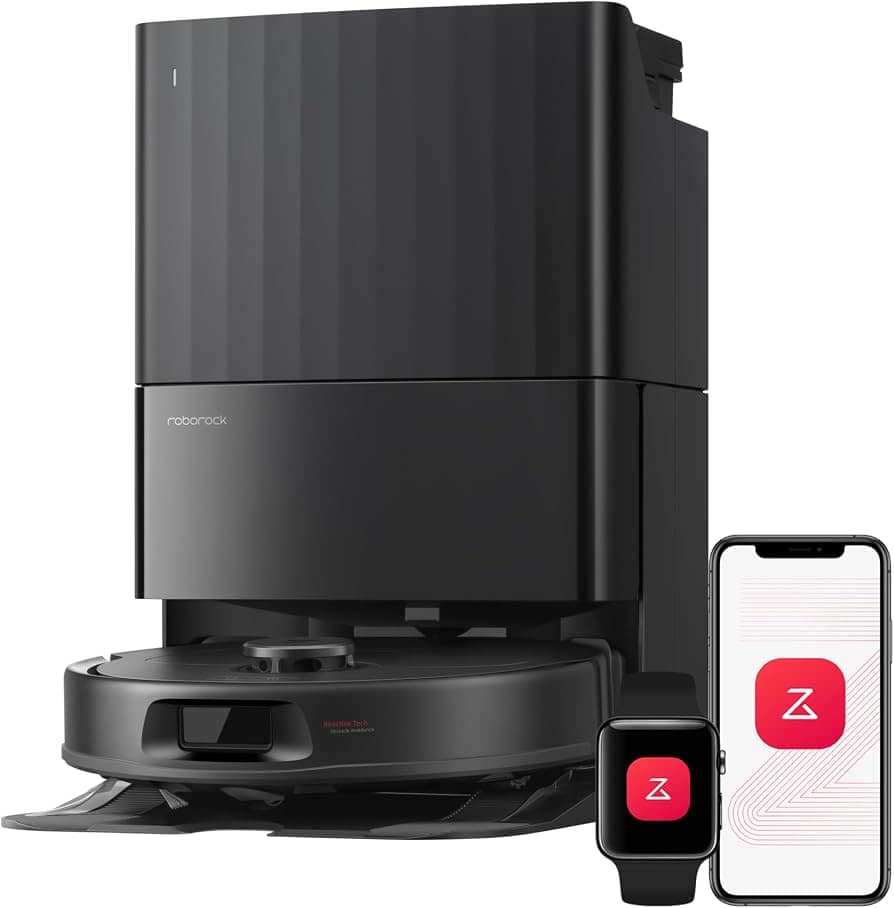
Robot Vacuum
Built for pet hair — keeps your home clean without lifting a finger.
Recommended Products by Life Stage
Products marked with SmartPaws Recommended are ones we've independently reviewed and recommend across the site. All Amazon links include our affiliate tag — purchases support SmartPaws at no extra cost to you.
Puppy / Kitten Stage
Adult Stage
Interactive Toy
KONG Classic Stuffable Dog Toy
Boxers need mental stimulation — KONG keeps them busy.
SmartPaws RecommendedGPS Tracker
Tractive Smart Dog GPS Tracker
Active Boxers can roam — GPS tracking provides peace of mind.
SmartPaws RecommendedJoint Supplement
Nutramax Cosequin Maximum Strength Joint Supplement
Proactive joint support for a breed prone to hip dysplasia.
SmartPaws RecommendedBreed Traits
Temperament
Climate & Physical
Compatibility
Rural & Outdoor
Scores reflect breed tendencies. Individual training significantly affects both livestock safety and off-leash reliability.
Health & Longevity
Based on breed-specific genetic health risks and common conditions
Consider Adopting
Many Boxers are waiting in shelters and breed-specific rescues. Adoption costs are typically $50–$300 vs. $800–$2,500 from a breeder.
Read our Rescue Guide →How to Train a Boxer
Breed-specific challenges, techniques, and training timeline — written specifically for Boxer owners.
Read Training GuideDownload the Boxer Guide
Get a printable PDF with traits, cost of ownership, health notes, and best-fit summary — free.