SmartPawsGuides, comparisons & trusted resources — Guides & trusted resources — always independent.

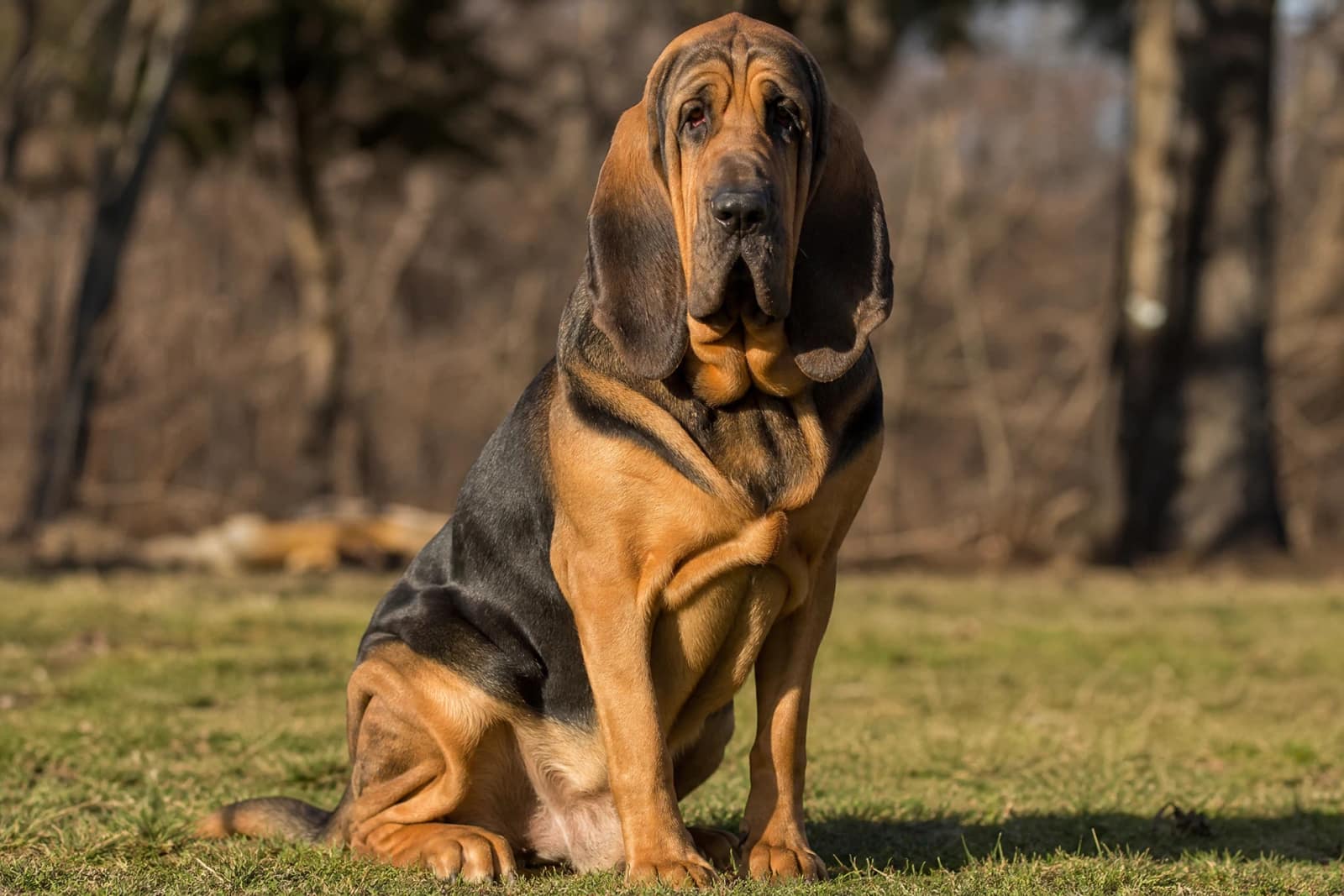
Bloodhound
Origin: Belgium/England
Weight
80–110 lbs
Height
23–27 inches
Lifespan
10–12 years
Coat
Short, dense, hard coat with loose, wrinkled skin
Breeder Cost
$500–$1,500
Adoption Cost
$50–$300
Personality & Temperament
Bloodhounds are gentle, patient, and affectionate dogs with an extraordinary nose — the best of any dog breed. They are used by law enforcement worldwide to track missing persons and criminals. At home, they are gentle giants who are wonderful with children. Their stubbornness and independence can make training challenging, but their gentle nature makes them lovable companions.
Best For
Active families with space, those who enjoy outdoor activities, experienced dog owners who can manage a stubborn, scent-driven breed
Exercise & Activity Needs
Bloodhounds need 45–60 minutes of moderate exercise daily. They must always be on a leash or in a securely fenced yard — once they catch a scent, they are impossible to redirect. Their nose will lead them miles away without a second thought.
Grooming & Coat Care
The Bloodhound's short coat requires weekly brushing. Their long, floppy ears need weekly cleaning to prevent infections. The facial wrinkles and neck folds must be cleaned daily to prevent skin fold infections. Bloodhounds drool significantly.
Coat type: Short, dense, hard coat with loose, wrinkled skin
Common Health Conditions
Bloat is the most serious health concern for Bloodhounds. Prophylactic gastropexy surgery at the time of spay/neuter is strongly recommended. Daily ear and skin fold cleaning prevents the most common infections.
Bloat (GDV)
A life-threatening emergency in deep-chested breeds. Feed multiple small meals and avoid exercise after eating.
Hip & Elbow Dysplasia
Common in large breeds. OFA certification from breeders is recommended.
Ear Infections
Long, floppy ears trap moisture. Weekly cleaning is essential.
Skin Fold Infections
The facial wrinkles and neck folds trap moisture and bacteria. Daily cleaning is essential.
Eye Problems
Ectropion (drooping lower eyelid) is common in Bloodhounds.
History & Origin
The Bloodhound is one of the oldest and purest of all dog breeds, with a history dating back to medieval Belgium where they were kept at the Monastery of Saint-Hubert. They were brought to England by William the Conqueror in 1066. The name 'Bloodhound' doesn't refer to blood-tracking — it refers to their status as 'blooded hounds,' meaning hounds of pure blood kept by nobility. Their scent-tracking ability is so reliable that Bloodhound evidence is admissible in US courts.
Interesting Facts
- 1
Bloodhound evidence is admissible in US courts — their tracking ability is considered reliable enough to convict criminals.
- 2
They have approximately 300 million scent receptors — the most of any dog breed.
- 3
A Bloodhound can follow a scent trail that is over 130 hours old.
- 4
Their long, droopy ears serve a purpose — they sweep scent particles toward the nose when tracking.
- 5
The name 'Bloodhound' doesn't refer to blood-tracking — it means 'hound of pure blood,' referring to their noble lineage.
Cost of Ownership
Owning a Bloodhound is a long-term financial commitment. Here's a realistic breakdown of what to budget for.
Annual Cost
$1,600–$2,800
First Year (incl. setup)
$3,800–$6,000
Large breed needs quality food; elevated bowls help prevent bloat
Ear infections, bloat, hip dysplasia, and skin fold issues
Ears need weekly cleaning; wrinkles need regular attention
Scent-driven and stubborn; recall training is critical
Drool management supplies; secure fencing essential
Recommended for ear, bloat, and orthopedic coverage
* Estimates based on national averages. Costs vary by location, lifestyle, and individual health needs. Emergency vet visits are not included.
Popularity & Adoption Trends
Estimated US Population
~150,000 in the US
Adoption Trend
Bloodhound registrations have declined steadily as the breed faces competition from other scent hound breeds and growing awareness of their drool, stubbornness, and health issues. They remain essential in law enforcement and search-and-rescue, but as companion dogs, their numbers are modest.
Plan daily life with your Bloodhound
Use the guides below to compare practical options alongside this breed's care needs.
Pet Tech Essentials
The right technology makes dog ownership easier, safer, and more connected — whether you're home or away. These are the products our editors consider must-haves for every dog owner.
Automatic Feeder
Schedule precise meals so your dog eats right — even when you're not home.


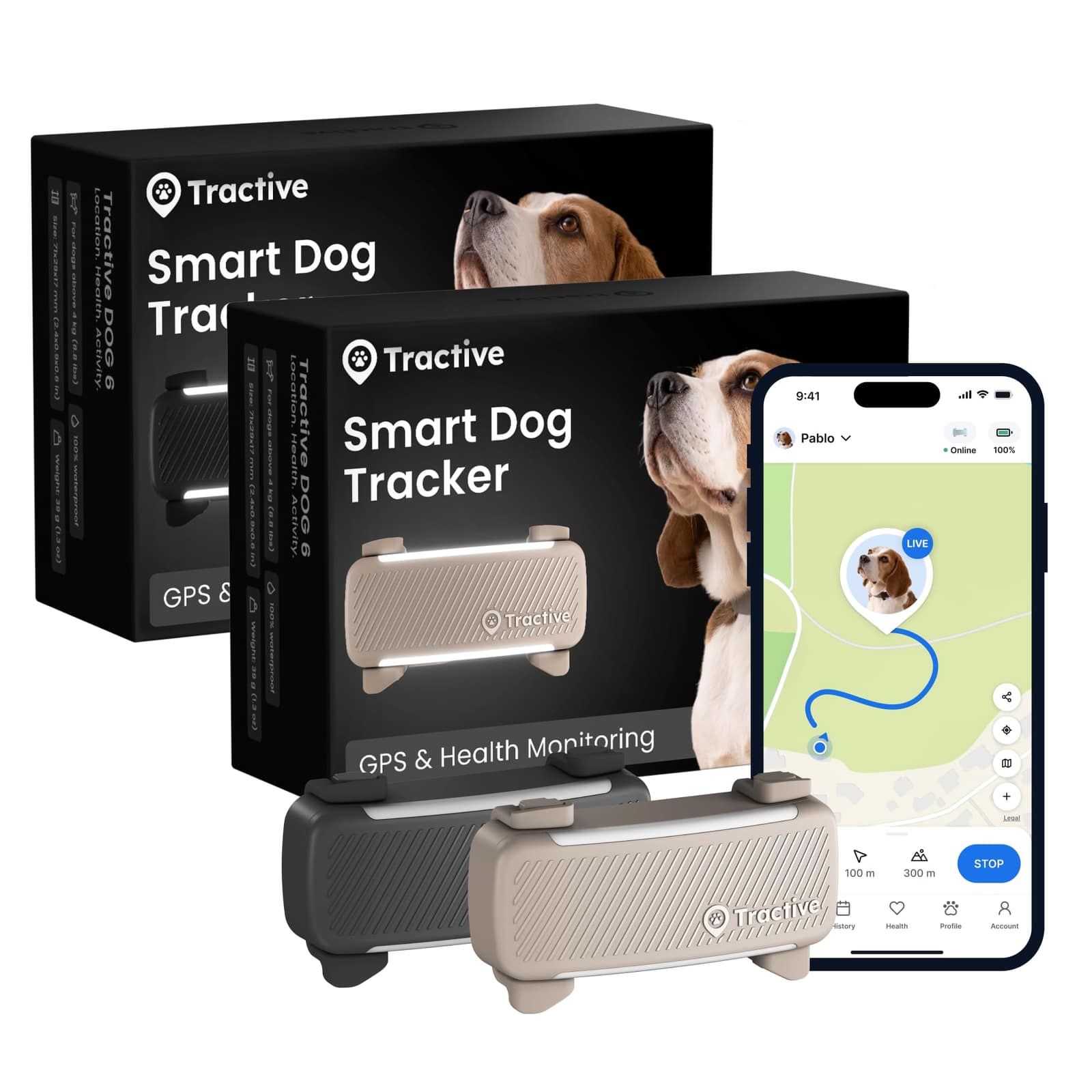
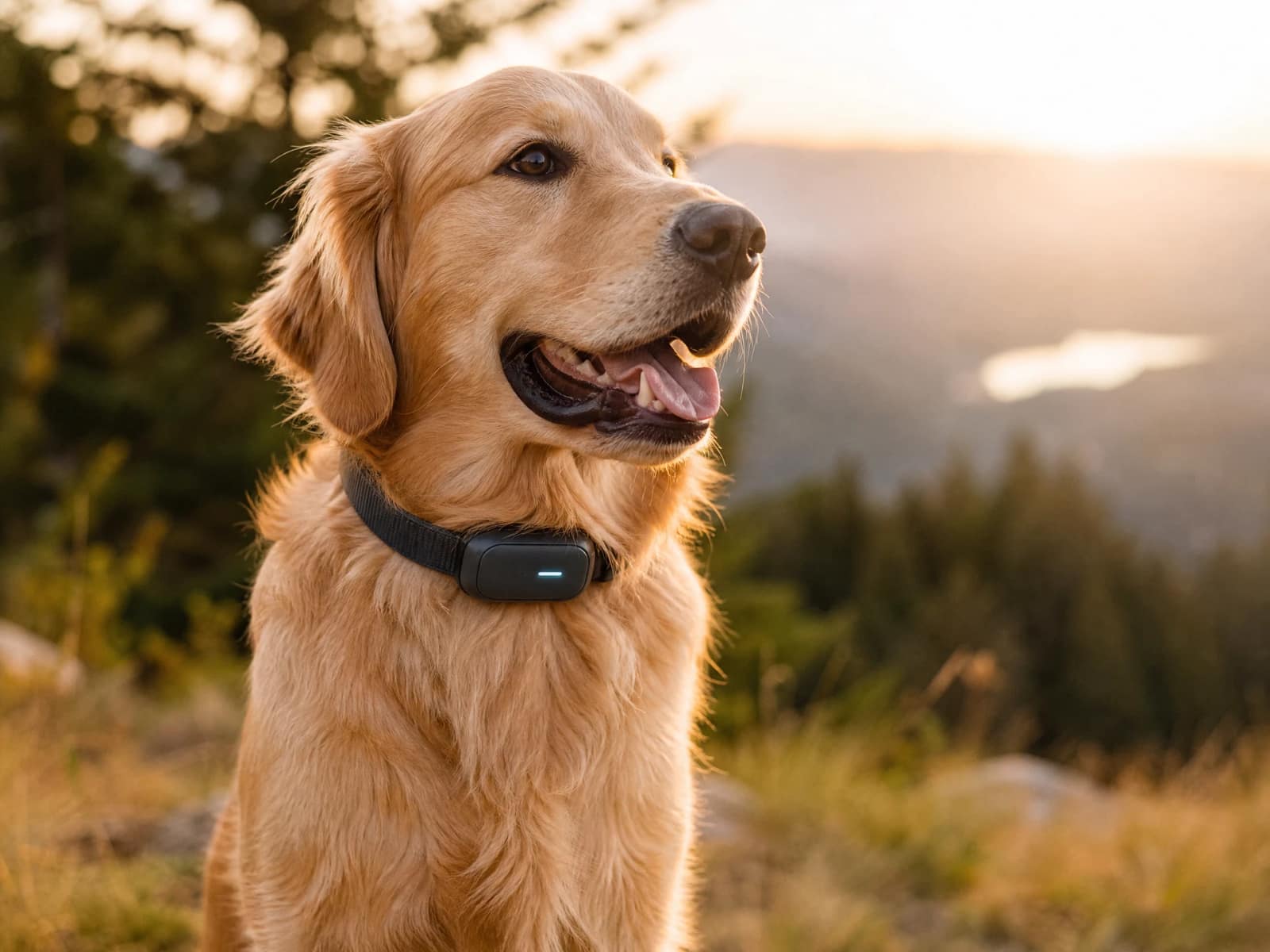
GPS Tracker
Real-time location tracking — because dogs follow their nose, not the fence line.
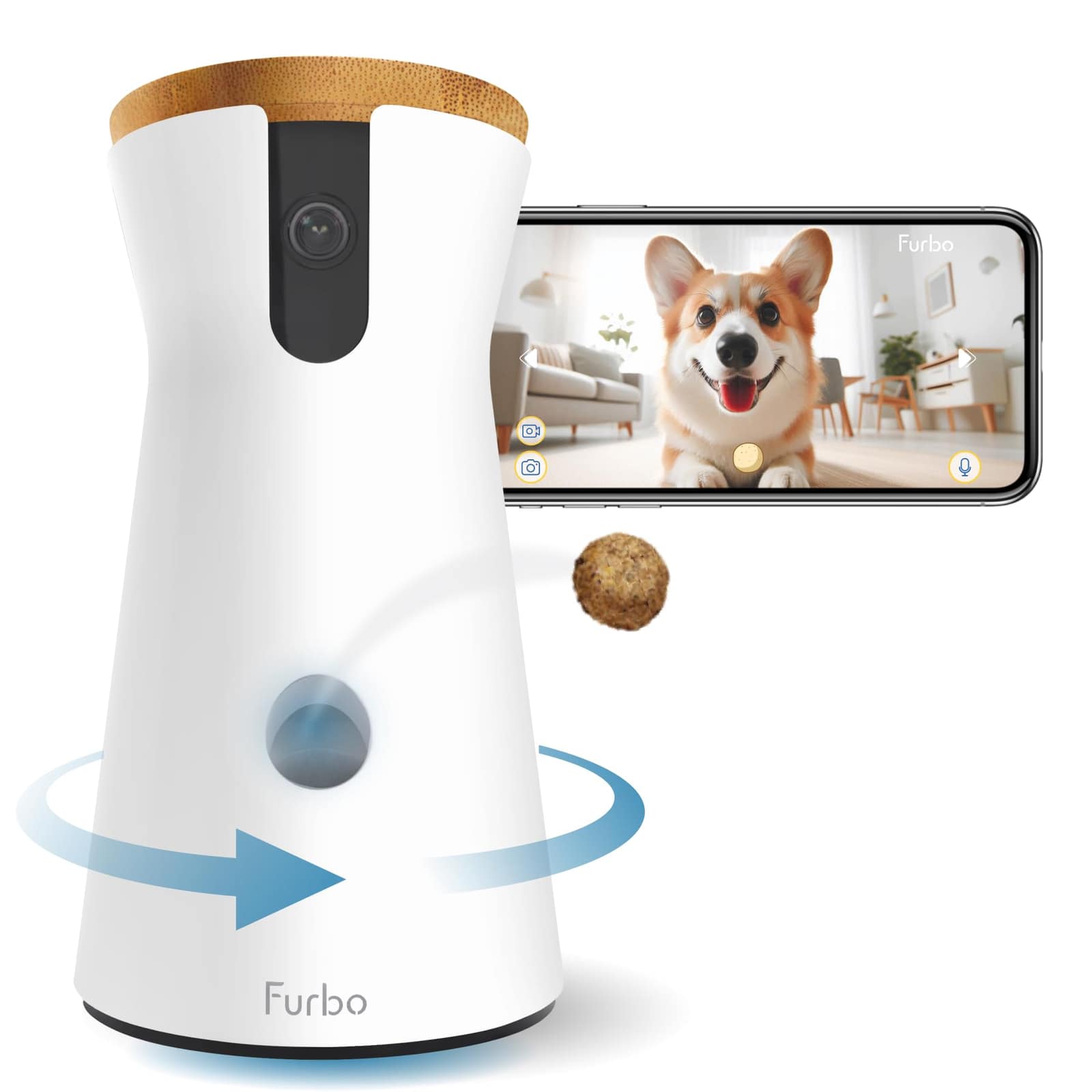
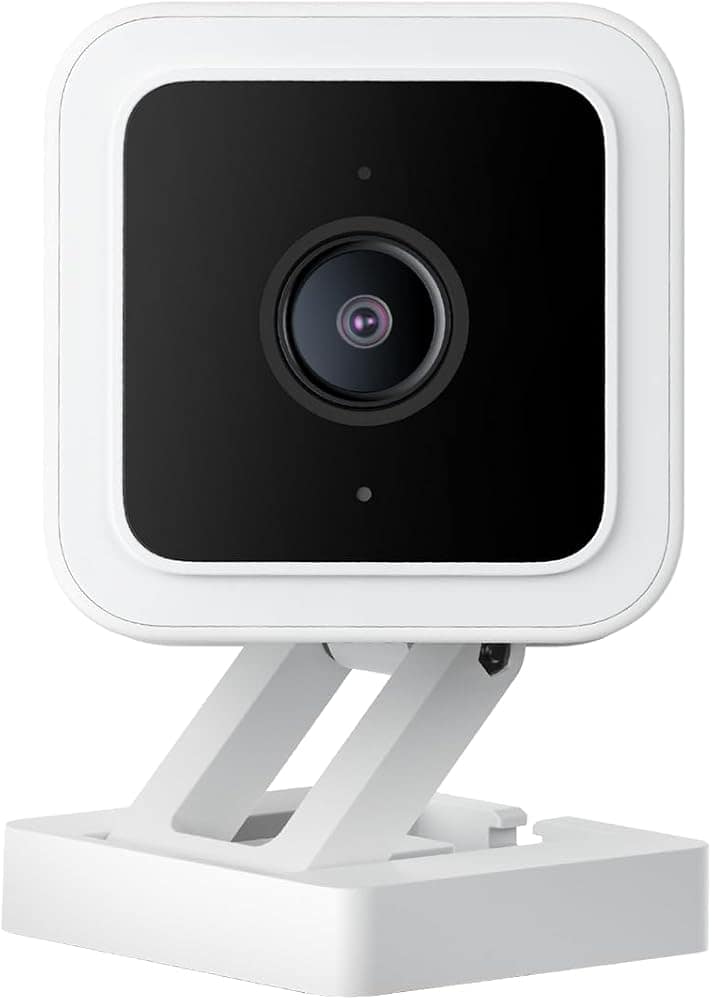
Pet Camera
Two-way audio and HD video — stay connected and soothe your dog from anywhere.

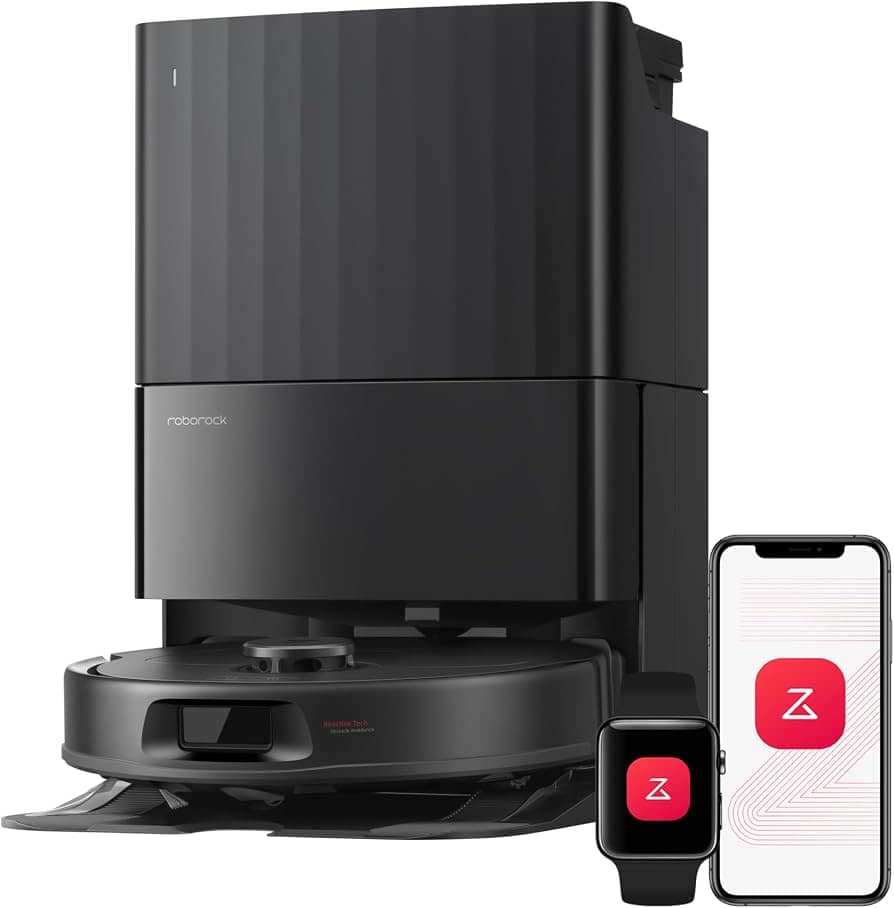
Robot Vacuum
Built for pet hair — keeps your home clean without lifting a finger.
Recommended Products by Life Stage
Products marked with SmartPaws Recommended are ones we've independently reviewed and recommend across the site. All Amazon links include our affiliate tag — purchases support SmartPaws at no extra cost to you.
Puppy / Kitten Stage
Adult Stage
Senior Stage
Breed Traits
Temperament
Climate & Physical
Compatibility
Rural & Outdoor
Scores reflect breed tendencies. Individual training significantly affects both livestock safety and off-leash reliability.
Health & Longevity
Based on breed-specific genetic health risks and common conditions
Consider Adopting
Many Bloodhounds are waiting in shelters and breed-specific rescues. Adoption costs are typically $50–$300 vs. $500–$1,500 from a breeder.
Read our Rescue Guide →How to Train a Bloodhound
Breed-specific challenges, techniques, and training timeline — written specifically for Bloodhound owners.
Read Training GuideDownload the Bloodhound Guide
Get a printable PDF with traits, cost of ownership, health notes, and best-fit summary — free.