SmartPawsGuides, comparisons & trusted resources — Guides & trusted resources — always independent.

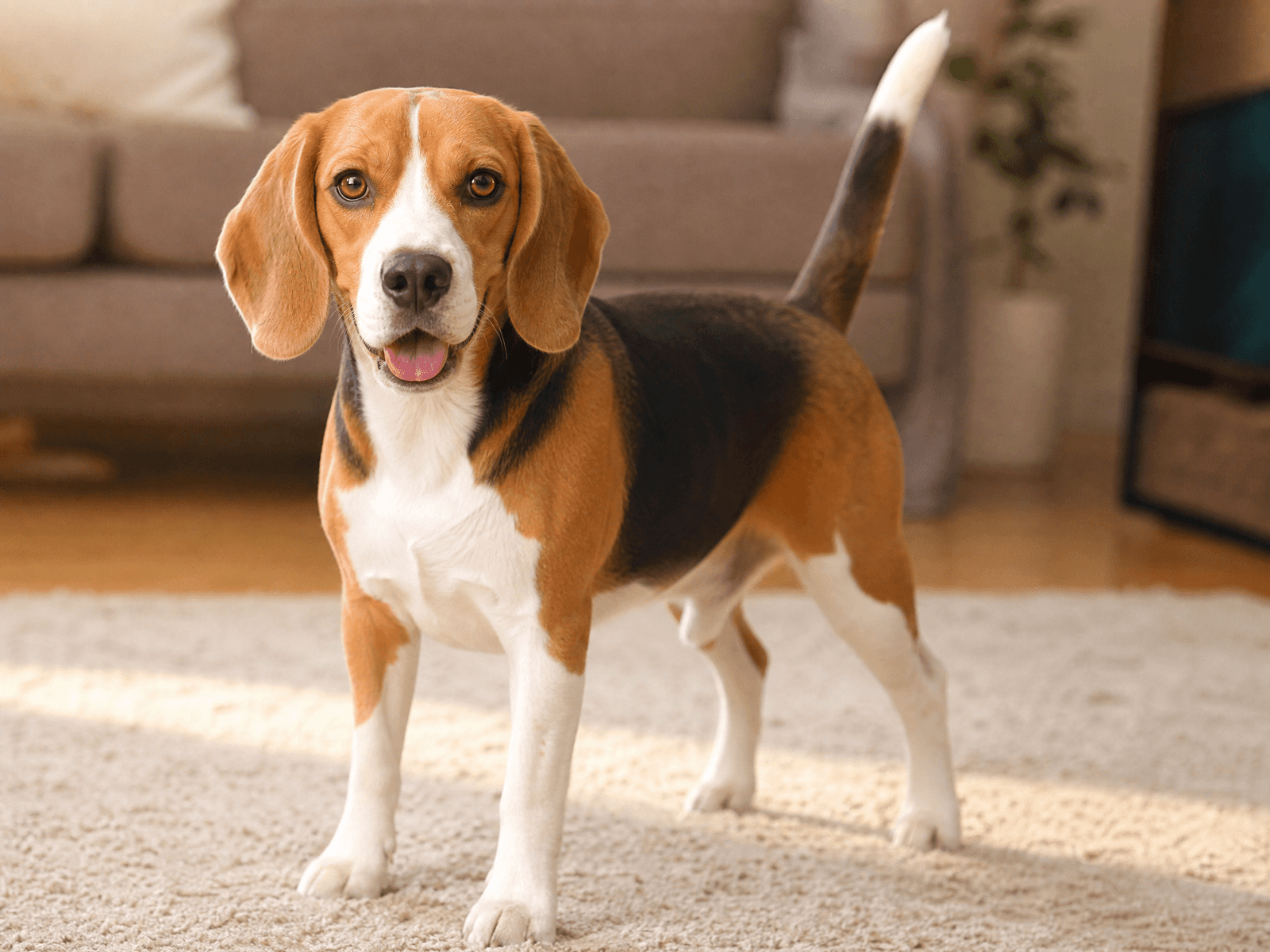
Beagle
Origin: England
Weight
20–30 lbs
Height
13–15 inches
Lifespan
12–15 years
Coat
Short, dense, weather-resistant double coat
Breeder Cost
$500–$1,500
Adoption Cost
$50–$200
Personality & Temperament
Beagles are cheerful, curious, and merry little hounds who love everyone they meet. They are pack animals at heart and thrive with companionship — human or canine. Their nose is their superpower, and once a scent catches their attention, the world disappears. This single-minded focus can make training challenging but makes them exceptional scent detection dogs.
Best For
Families with children, active households, those who enjoy outdoor activities, multi-dog households
Exercise & Activity Needs
Beagles need 60–90 minutes of exercise daily. They must always be on a leash or in a securely fenced yard — their nose will lead them away without a second thought. Scent games, tracking, and nose work are ideal mental and physical outlets.
Grooming & Coat Care
The Beagle's short coat requires minimal grooming — weekly brushing and a bath every 4–6 weeks. Their long, floppy ears trap moisture and need weekly cleaning to prevent infections. Check nails monthly.
Coat type: Short, dense, weather-resistant double coat
Common Health Conditions
Beagles are generally healthy and long-lived. The main concerns are epilepsy, ear infections, and obesity. Their love of food makes weight management critical — an overweight Beagle is an unhappy, unhealthy Beagle.
Epilepsy
Beagles have a higher-than-average rate of idiopathic epilepsy. Seizures typically begin between 6 months and 3 years of age and are usually manageable with medication.
Hip Dysplasia
Less common than in large breeds, but still a concern in Beagles. Maintain a healthy weight to reduce joint stress.
Hypothyroidism
An underactive thyroid causing weight gain, lethargy, and skin problems. Common in middle-aged Beagles.
Cherry Eye
Prolapse of the third eyelid gland. Surgical correction is usually needed.
Ear Infections
The long, floppy ears restrict airflow and trap moisture, making Beagles highly prone to ear infections. Weekly cleaning is essential.
History & Origin
Beagle-type dogs have existed in England since the 1300s, used for hunting rabbits and hares on foot. The modern Beagle was standardized in the 1830s by Reverend Phillip Honeywood in Essex, England. The breed arrived in America after the Civil War and quickly became popular for rabbit hunting. Snoopy, Charles Schulz's beloved Peanuts character, introduced the Beagle to generations of children worldwide.
Interesting Facts
- 1
Beagles have approximately 220 million scent receptors — one of the highest of any breed — making them exceptional scent hounds.
- 2
Snoopy from Peanuts is a Beagle, making the breed one of the most recognized in pop culture.
- 3
Beagles are the most commonly used breed in laboratory research due to their docile temperament and small size.
- 4
They have a unique vocalization called a 'bay' — a deep, melodious howl used to alert hunters when they've found a scent.
- 5
NASA used Beagles in early space research due to their predictable physiology.
Cost of Ownership
Owning a Beagle is a long-term financial commitment. Here's a realistic breakdown of what to budget for.
Annual Cost
$1,000–$1,800
First Year (incl. setup)
$2,500–$4,000
Beagles overeat easily; measured meals essential
Ear infections common; epilepsy risk in some lines
Low maintenance; weekly brushing and monthly baths
Nose-driven and stubborn; recall training is critical
Secure fencing is a must — Beagles are escape artists
Moderate risk; epilepsy treatment can be expensive
* Estimates based on national averages. Costs vary by location, lifestyle, and individual health needs. Emergency vet visits are not included.
Popularity & Adoption Trends
Estimated US Population
~2 million in the US
Adoption Trend
Beagles have maintained steady popularity for decades, consistently ranking in the top 10. Their compact size, friendly temperament, and relatively low grooming needs make them perennial family favorites. They are also the most commonly used breed in laboratory research, which has sparked significant animal welfare advocacy.
Plan daily life with your Beagle
Use the guides below to compare practical options alongside this breed's care needs.
Pet Tech Essentials
The right technology makes dog ownership easier, safer, and more connected — whether you're home or away. These are the products our editors consider must-haves for every dog owner.
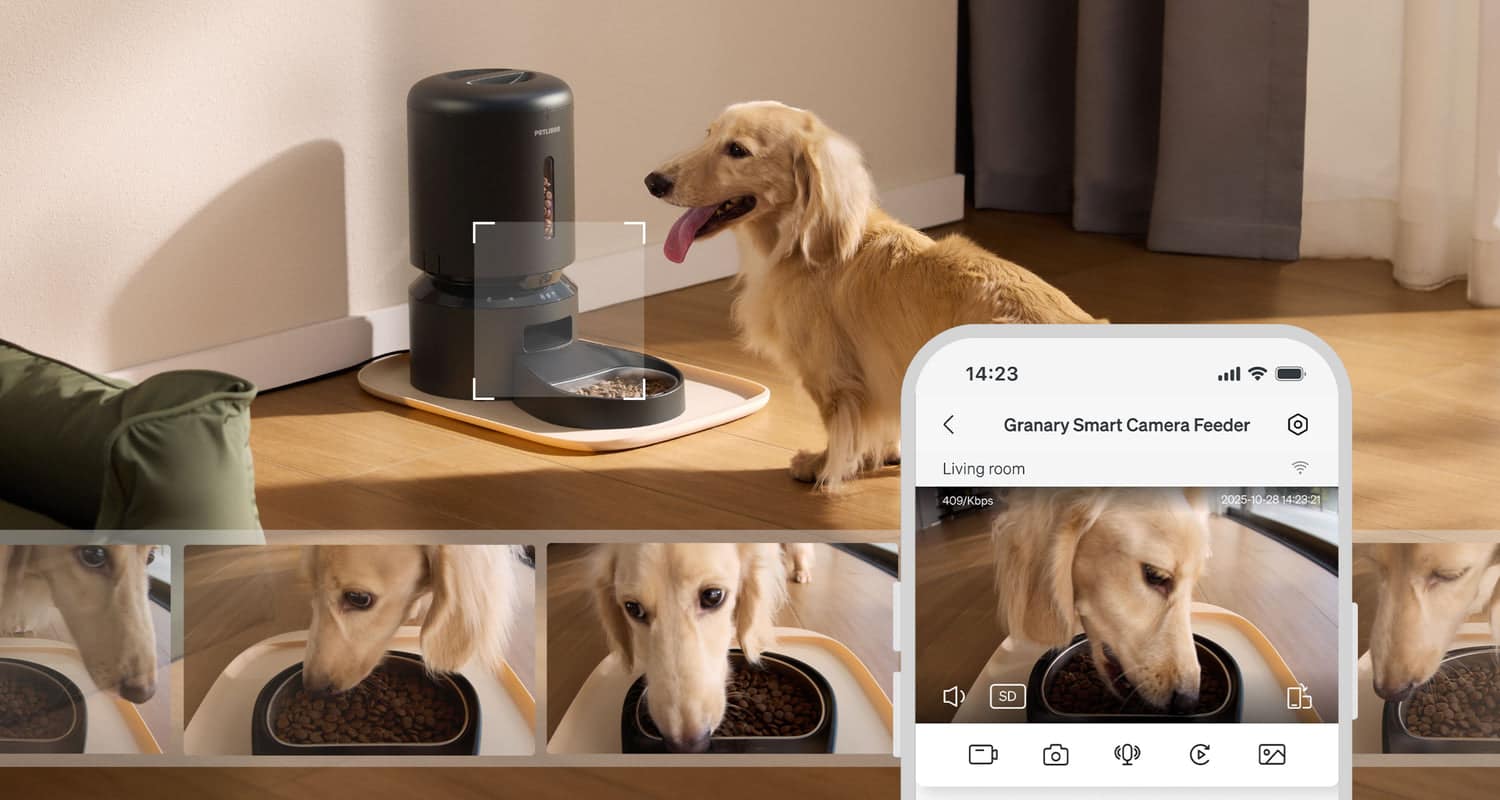
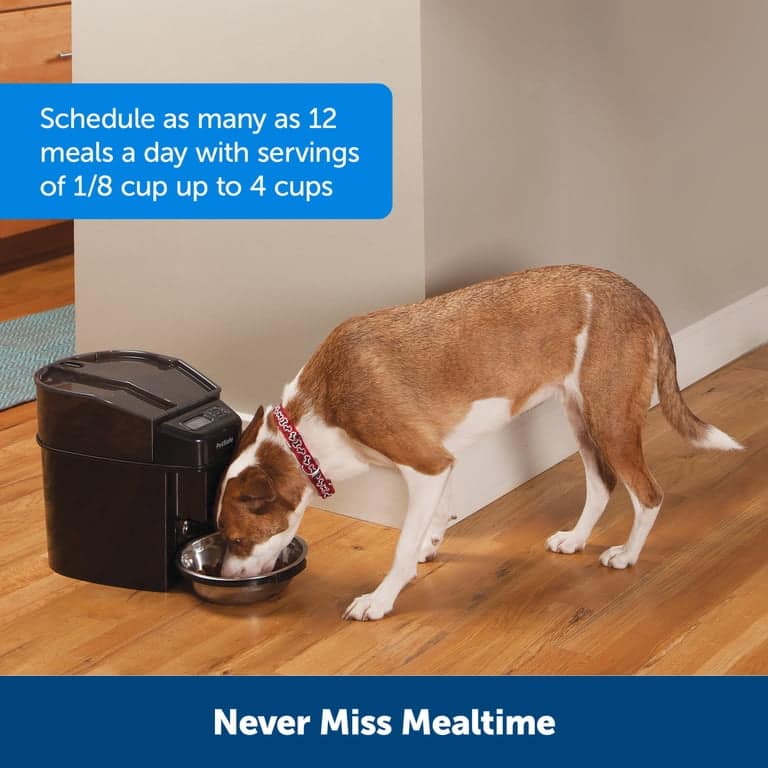
Automatic Feeder
Schedule precise meals so your dog eats right — even when you're not home.
GPS Tracker
Real-time location tracking — because dogs follow their nose, not the fence line.


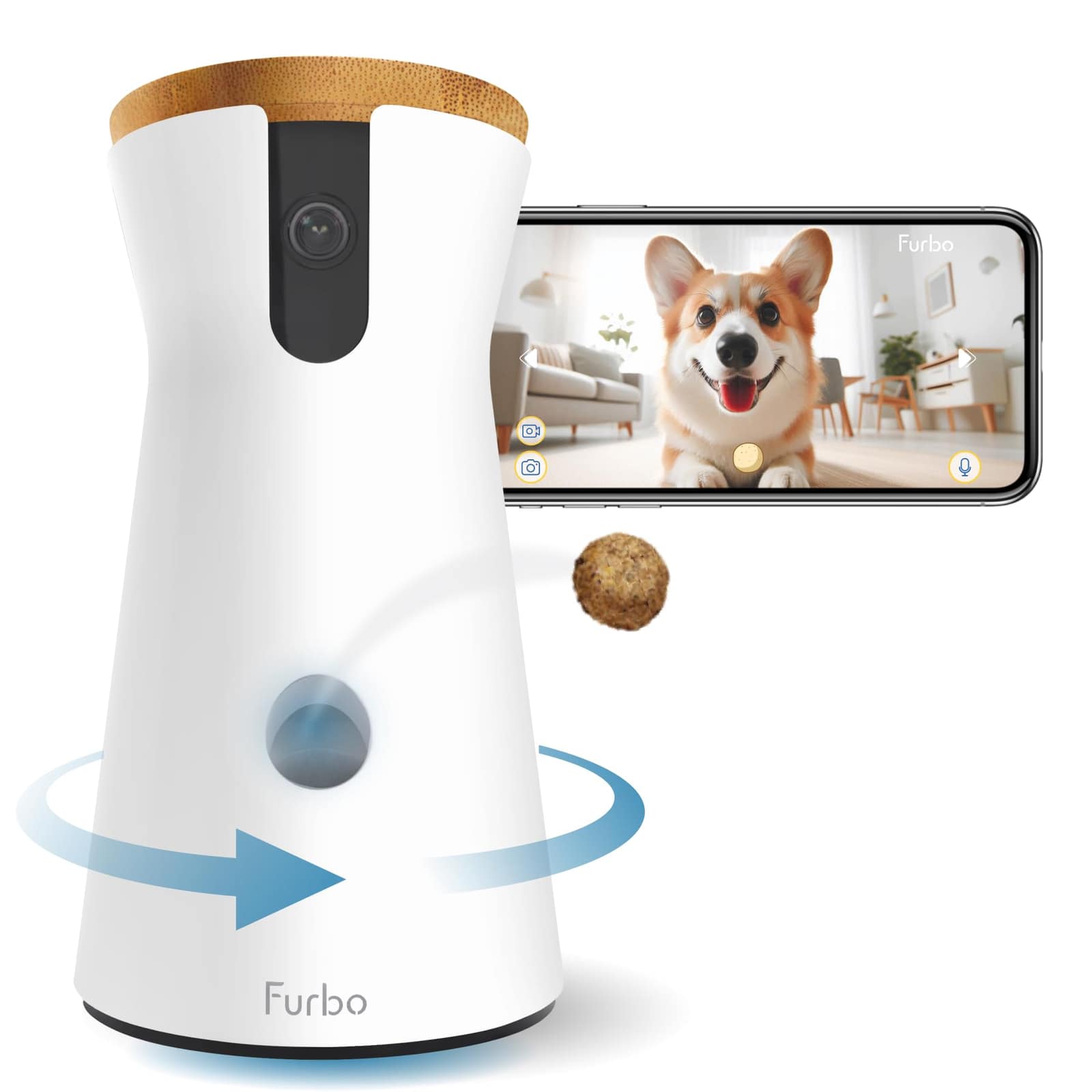
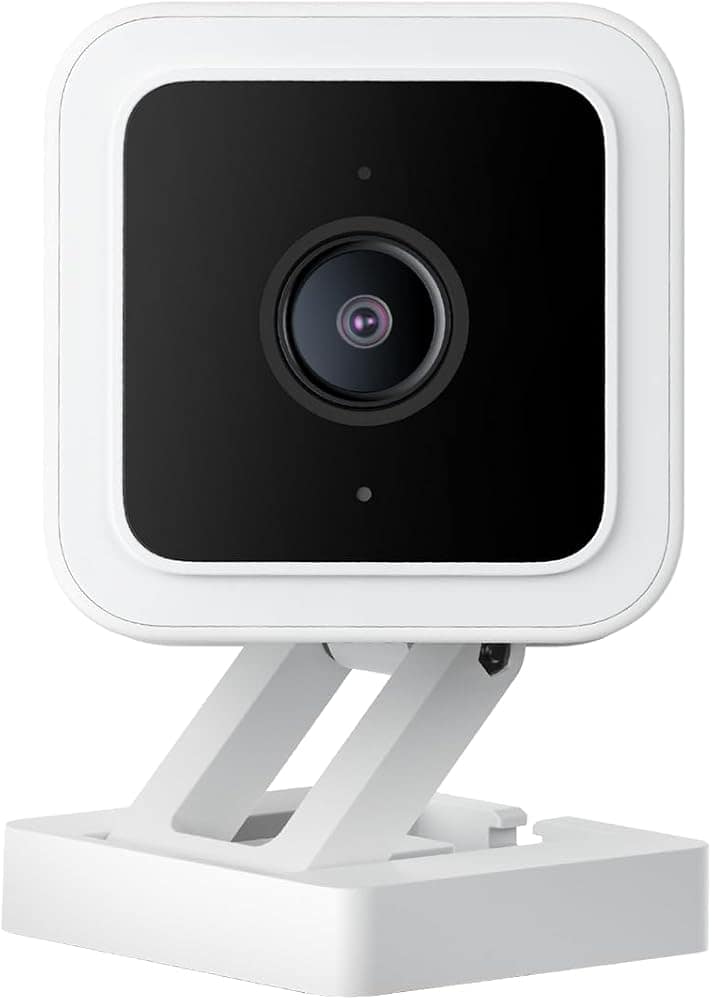
Pet Camera
Two-way audio and HD video — stay connected and soothe your dog from anywhere.

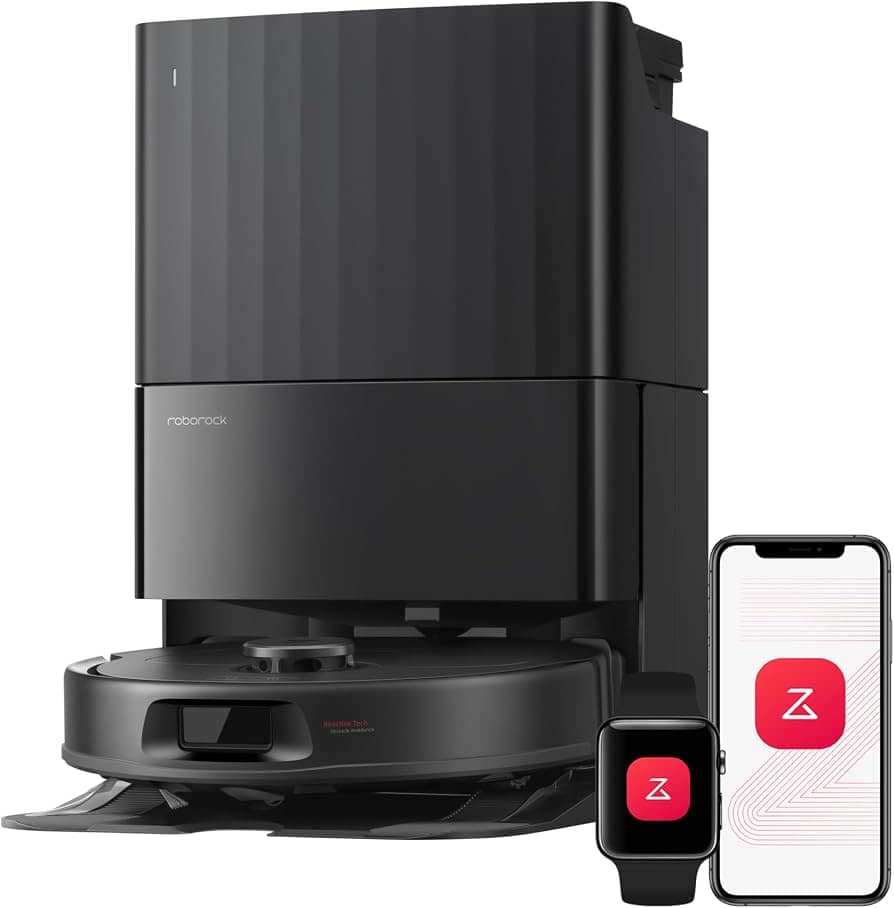
Robot Vacuum
Built for pet hair — keeps your home clean without lifting a finger.
Recommended Products by Life Stage
Products marked with SmartPaws Recommended are ones we've independently reviewed and recommend across the site. All Amazon links include our affiliate tag — purchases support SmartPaws at no extra cost to you.
Puppy / Kitten Stage
Adult Stage
GPS Tracker
Tractive Smart Dog GPS Tracker
Beagles follow their nose — GPS tracking is essential for this escape-prone breed.
SmartPaws RecommendedPuzzle Toy
Outward Hound Nina Ottosson Dog Brick Puzzle
Nose work and scent puzzles satisfy the Beagle's powerful hunting instinct.
SmartPaws RecommendedDental Care
Oxyfresh Premium Pet Dental Water Additive
Beagles are prone to dental disease — easy water additive solution.
SmartPaws RecommendedSenior Stage
Breed Traits
Temperament
Climate & Physical
Compatibility
Rural & Outdoor
Scores reflect breed tendencies. Individual training significantly affects both livestock safety and off-leash reliability.
Health & Longevity
Based on breed-specific genetic health risks and common conditions
Consider Adopting
Many Beagles are waiting in shelters and breed-specific rescues. Adoption costs are typically $50–$200 vs. $500–$1,500 from a breeder.
Read our Rescue Guide →How to Train a Beagle
Breed-specific challenges, techniques, and training timeline — written specifically for Beagle owners.
Read Training GuideDownload the Beagle Guide
Get a printable PDF with traits, cost of ownership, health notes, and best-fit summary — free.