SmartPawsGuides, comparisons & trusted resources — Guides & trusted resources — always independent.

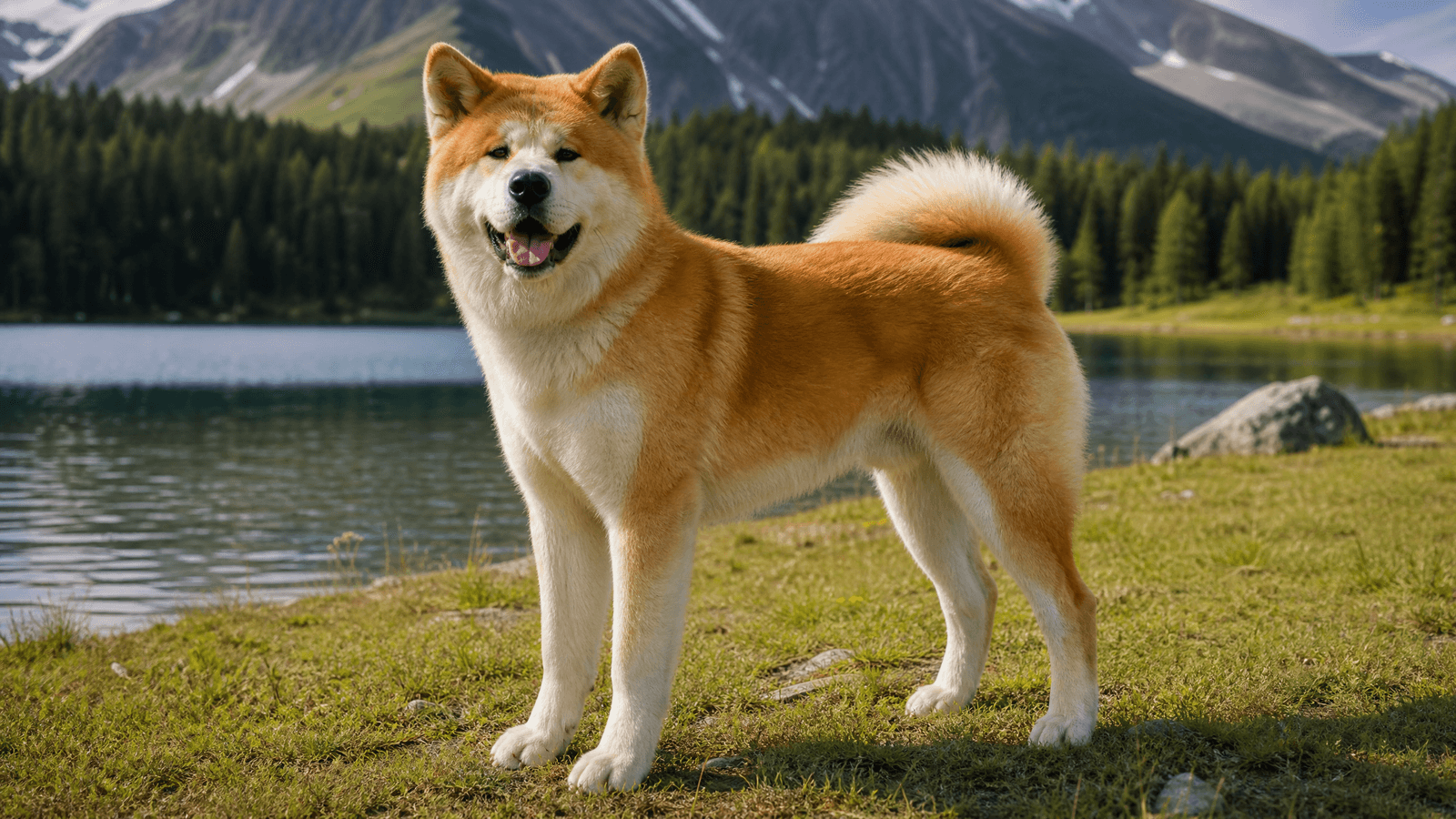
Akita
Origin: Japan
Weight
70–130 lbs
Height
24–28 inches
Lifespan
10–13 years
Coat
Thick double coat
Breeder Cost
$1,000–$4,000
Adoption Cost
$50–$300
Personality & Temperament
The Akita is a powerful, dignified dog with a profound loyalty to their family. In Japan, they are considered a symbol of good health, happiness, and long life. Akitas are reserved with strangers and can be aggressive toward other dogs, but they are deeply devoted and affectionate with their family. The story of Hachiko — an Akita who waited for his deceased owner at a train station for nearly 10 years — is one of the most famous examples of canine loyalty in history.
Best For
Experienced dog owners, those who want a deeply loyal companion, single-dog households, active individuals
Exercise & Activity Needs
Akitas need 45–60 minutes of moderate exercise daily. They are not hyperactive but need consistent exercise to maintain a healthy weight and mental balance. They should always be on a leash in public — their prey drive and dog aggression can cause incidents.
Grooming & Coat Care
The Akita's thick double coat sheds heavily twice a year and moderately year-round. Daily brushing during shedding season and 2–3 times weekly otherwise is essential. They are naturally clean and rarely need bathing. Never shave an Akita.
Coat type: Thick double coat; dense, plush undercoat
Common Health Conditions
Akitas are prone to autoimmune conditions — a unique health consideration for the breed. Buy from breeders who health-test for hip dysplasia and PRA. Annual wellness exams help catch autoimmune issues early.
Hip Dysplasia
Common in large breeds. OFA certification from breeders is essential.
Autoimmune Disorders
Akitas have a higher rate of autoimmune conditions including pemphigus, lupus, and hypothyroidism than most breeds.
Progressive Retinal Atrophy
A degenerative eye condition. DNA testing is available.
Bloat (GDV)
A life-threatening emergency in deep-chested breeds. Feed multiple small meals and avoid exercise after eating.
Sebaceous Adenitis
An inflammatory skin disease that destroys sebaceous glands. More common in Akitas than most breeds.
Breed Restrictions & Legal Status
This breed is restricted in some locations:
- • Some European countries
- • Some US cities (BSL)
- • Bermuda
- • Singapore
Breed-specific legislation based on perceived aggression risk. Well-socialized Akitas are not inherently dangerous.
History & Origin
The Akita is one of Japan's oldest and most revered dog breeds, originating in the mountainous Akita prefecture of northern Japan. They were originally bred to hunt large game — including bears, wild boar, and deer — and were used by Japanese nobility for hunting. The breed was declared a Japanese Natural Monument in 1931. Hachiko, the most famous Akita in history, waited at Shibuya Station in Tokyo every day for nearly 10 years after his owner's death in 1925.
Interesting Facts
- 1
Hachiko, an Akita, waited at Shibuya Station in Tokyo every day for 9 years and 9 months after his owner died — his loyalty is commemorated by a bronze statue at the station.
- 2
The Akita was declared a Japanese Natural Monument in 1931.
- 3
Helen Keller brought the first Akita to the US in 1937 after visiting Japan.
- 4
In Japan, giving someone a small Akita figurine is a gesture of good health, happiness, and long life.
- 5
Akitas are known for their 'soft mouth' — they will often carry objects around the house as a greeting, a trait from their hunting heritage.
Cost of Ownership
Owning an Akita is a long-term financial commitment. Here's a realistic breakdown of what to budget for.
Annual Cost
$1,800–$3,200
First Year (incl. setup)
$4,000–$6,500
Large, powerful breed needs quality high-protein diet
Hip dysplasia, autoimmune conditions, and bloat risks
Thick double coat sheds heavily; professional blowouts twice yearly
Dominant and independent; experienced owners only
Heavy-duty toys; Akitas are powerful chewers
Recommended given autoimmune and orthopedic risks
* Estimates based on national averages. Costs vary by location, lifestyle, and individual health needs. Emergency vet visits are not included.
Popularity & Adoption Trends
Estimated US Population
~150,000 in the US
Adoption Trend
Akita numbers are stable but modest — their demanding temperament and size limit their appeal to experienced dog owners. They are banned or restricted in several countries and municipalities. The story of Hachiko, the loyal Akita who waited for his deceased owner at a Tokyo train station for nearly 10 years, remains one of the most famous dog stories in the world and keeps the breed in cultural consciousness.
Plan daily life with your Akita
Use the guides below to compare practical options alongside this breed's care needs.
Pet Tech Essentials
The right technology makes dog ownership easier, safer, and more connected — whether you're home or away. These are the products our editors consider must-haves for every dog owner.
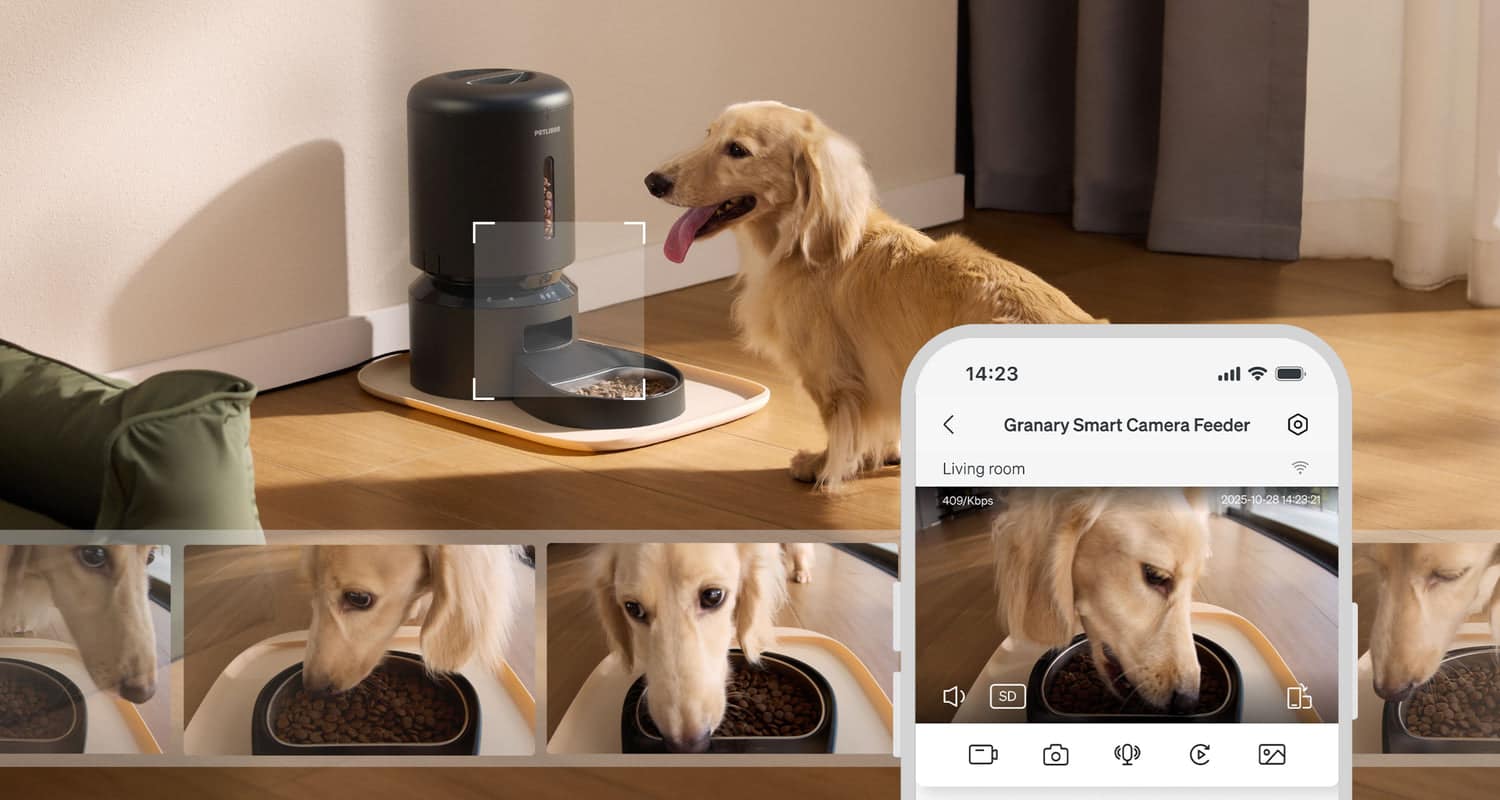
Automatic Feeder
Schedule precise meals so your dog eats right — even when you're not home.

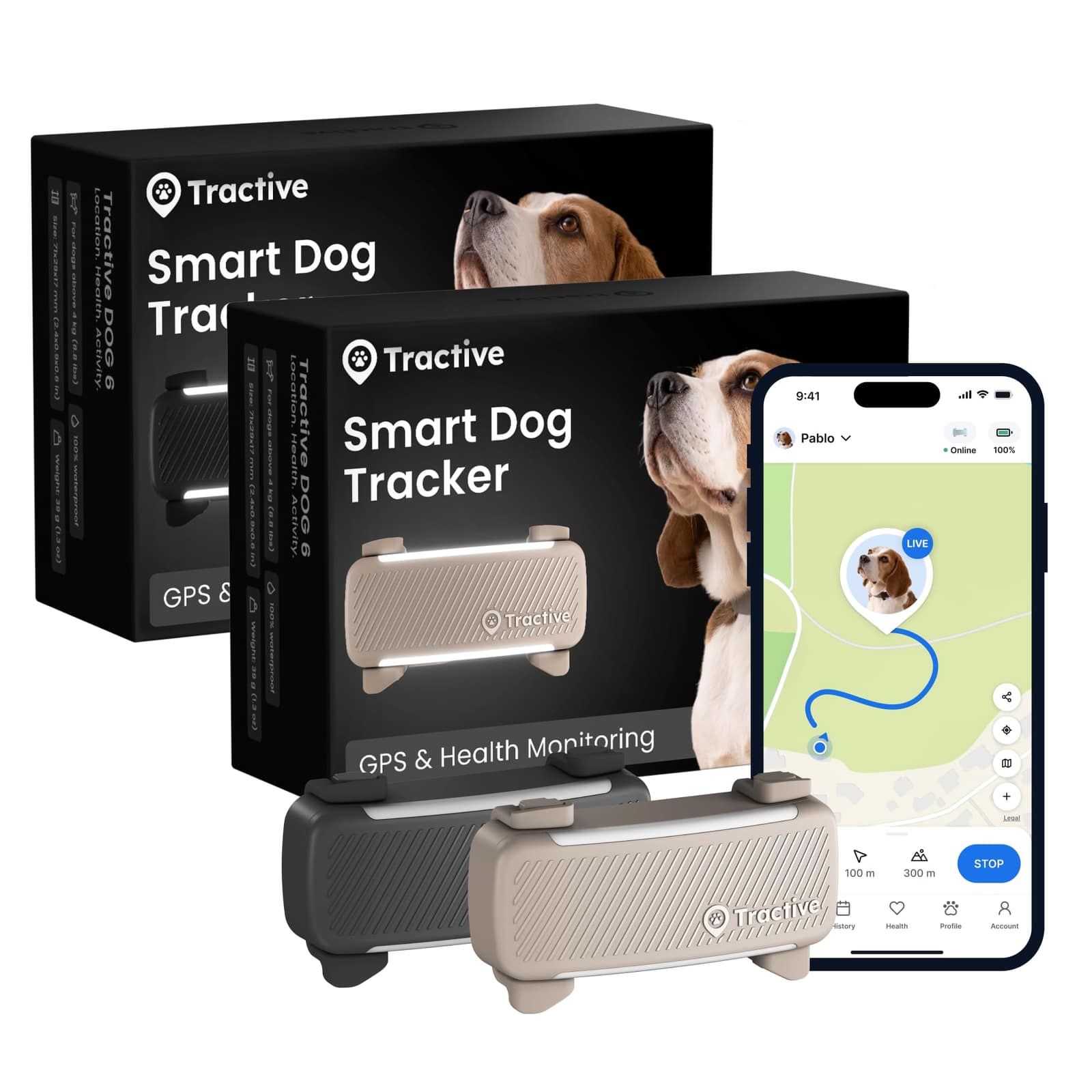
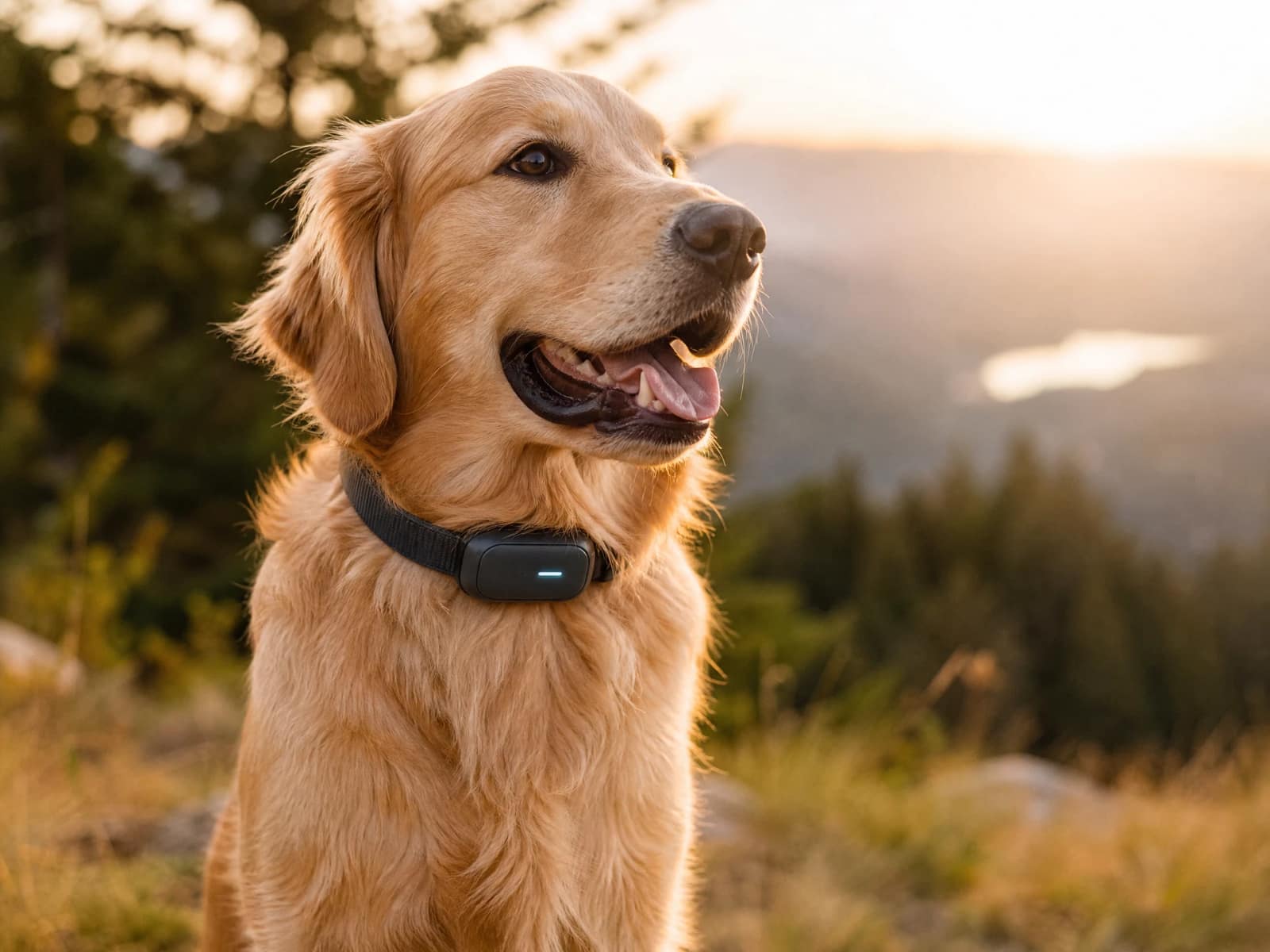
GPS Tracker
Real-time location tracking — because dogs follow their nose, not the fence line.
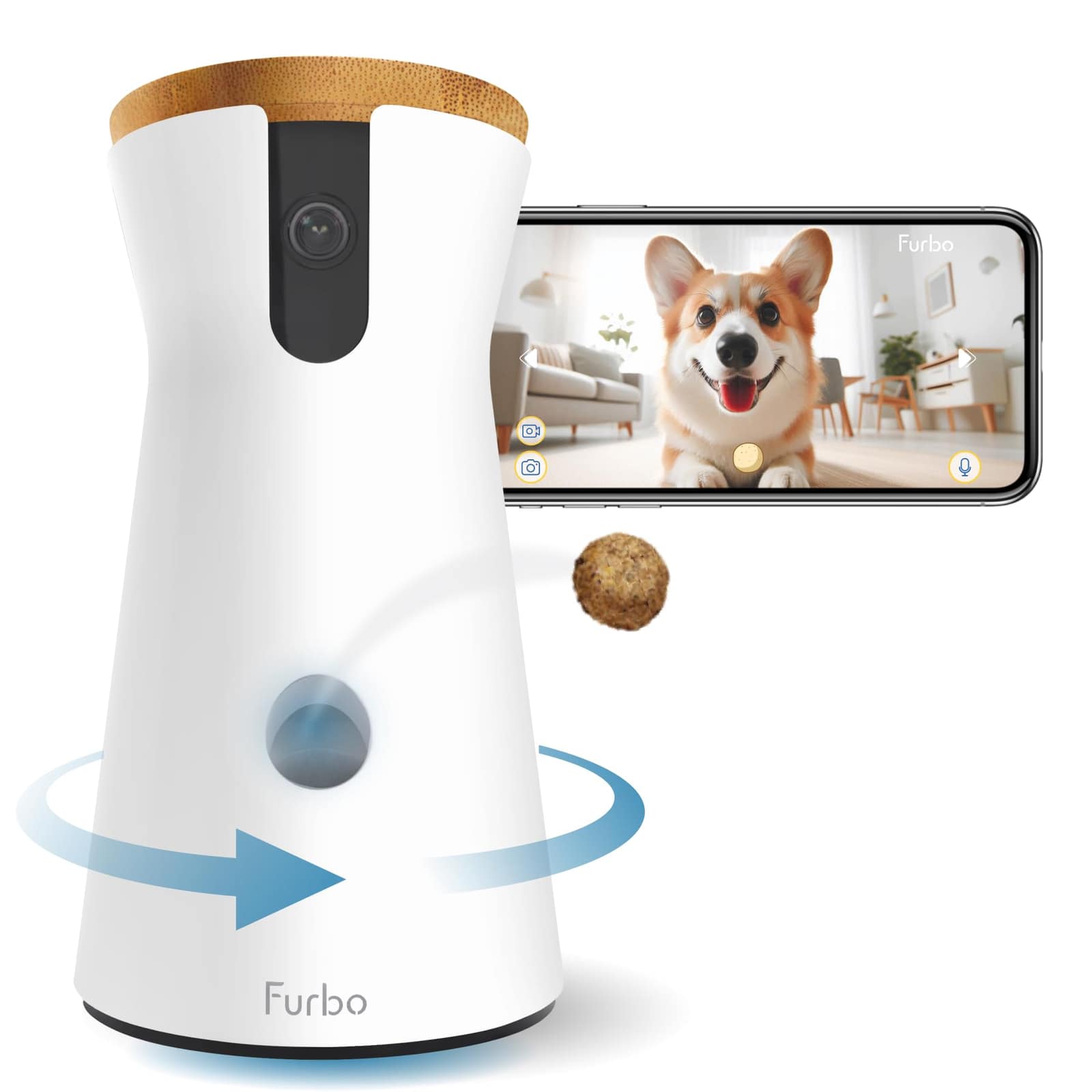
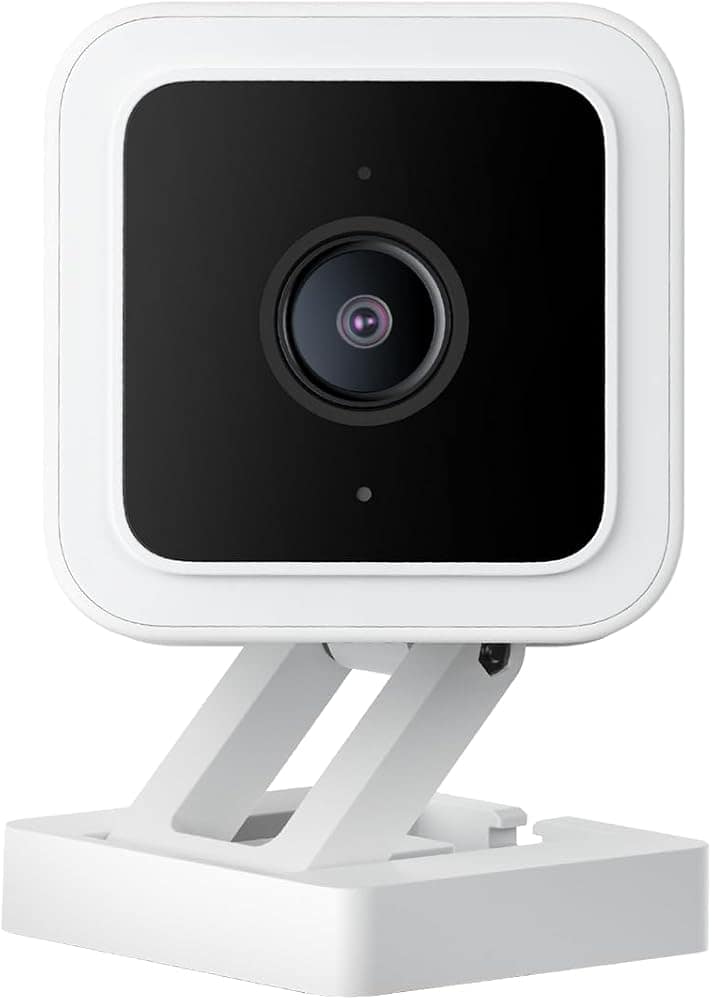
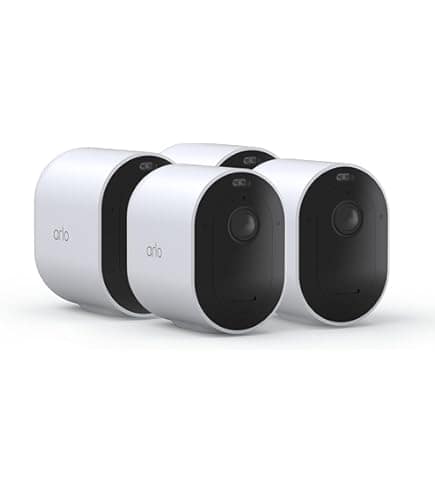
Pet Camera
Two-way audio and HD video — stay connected and soothe your dog from anywhere.
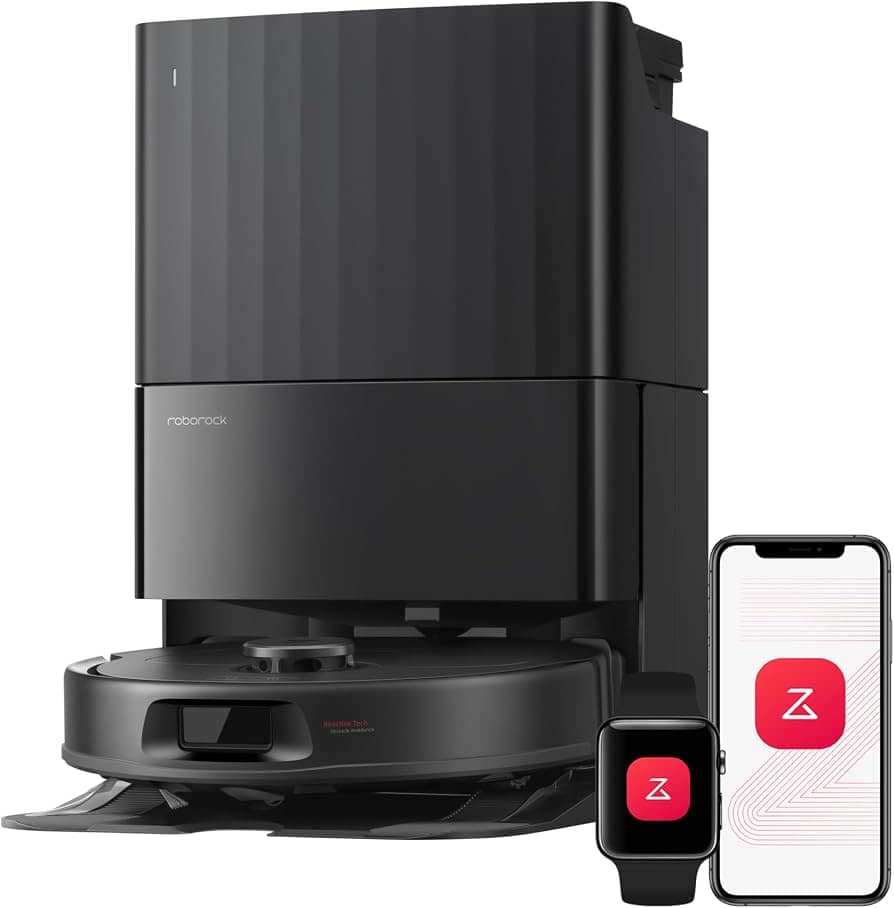
Robot Vacuum
Built for pet hair — keeps your home clean without lifting a finger.
Recommended Products by Life Stage
Products marked with SmartPaws Recommended are ones we've independently reviewed and recommend across the site. All Amazon links include our affiliate tag — purchases support SmartPaws at no extra cost to you.
Puppy / Kitten Stage
Adult Stage
Joint Supplement
Nutramax Cosequin Maximum Strength Joint Supplement
Proactive joint support for a large breed prone to hip dysplasia.
SmartPaws RecommendedDeshedding Tool
FURminator Undercoat Deshedding Tool
Akitas shed massively twice a year — the FURminator is essential.
SmartPaws RecommendedGPS Tracker
Fi Series 3+ Smart GPS Dog Collar
Akitas are independent and can wander. The Fi GPS collar provides real-time location tracking.
SmartPaws RecommendedPet Camera
Wyze Cam v3 Pet Monitor
Monitor your Akita's behavior at home — this independent breed can develop destructive habits when bored.
SmartPaws RecommendedBreed Traits
Temperament
Climate & Physical
Compatibility
Rural & Outdoor
Scores reflect breed tendencies. Individual training significantly affects both livestock safety and off-leash reliability.
Health & Longevity
Based on breed-specific genetic health risks and common conditions
Consider Adopting
Many Akitas are waiting in shelters and breed-specific rescues. Adoption costs are typically $50–$300 vs. $1,000–$4,000 from a breeder.
Read our Rescue Guide →How to Train an Akita
Breed-specific challenges, techniques, and training timeline — written specifically for Akita owners.
Read Training GuideDownload the Akita Guide
Get a printable PDF with traits, cost of ownership, health notes, and best-fit summary — free.