
Best forwatching your dog eat from anywhere
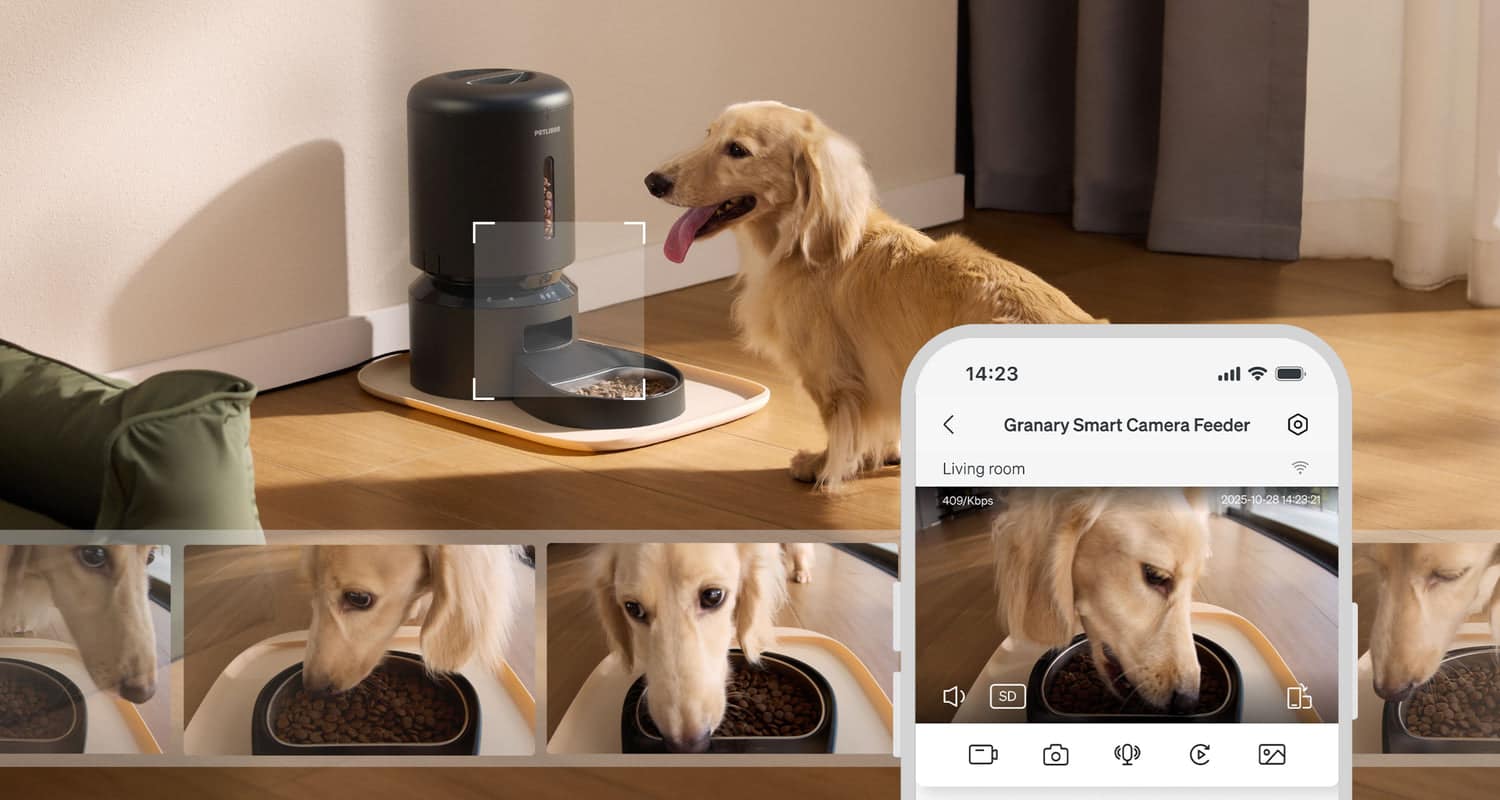
Amazon #1
App Connected
Smart Feeding
PETLIBRO Smart Feeder with Camera
Schedule your dog's meals and watch them eat — from anywhere.
4.6 · 12K reviews
8.2SmartPaws Score
How?Typically$99–$139In Stock
SmartPawsGuides, comparisons & trusted resources — Guides & trusted resources — always independent.
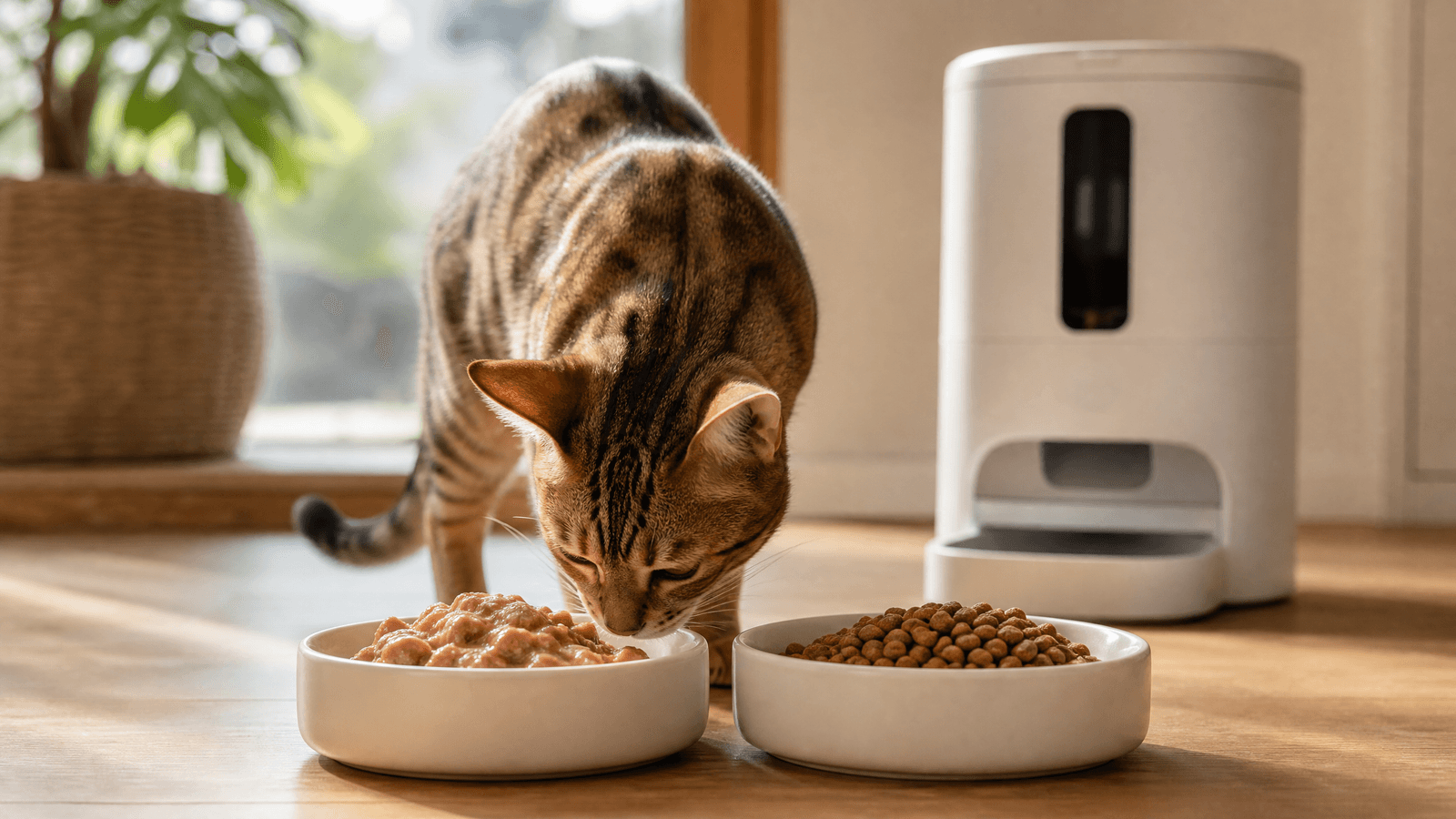
Choosing the right smart feeder depends on your pet's diet and your lifestyle. Discover the key differences and find the perfect fit.
General Education Only
This article is for general educational purposes and does not constitute veterinary advice. Every pet is different — consult your veterinarian before making changes to your pet's diet, health routine, or supplement regimen. If your pet shows signs of illness, contact a licensed veterinarian promptly.
SmartPaws Editorial Team
Pet Tech Experts · Research-based content
This article contains affiliate links. We may earn a commission if you purchase through our links, at no extra cost to you. In the bustling world of pet care, smart feeders have emerged as a game-changer, promising convenience, portion control, and peace of mind for pet parents. However, not all smart feeders are created equal, especially when it comes to handling different types of pet food. The choice between a smart feeder designed for wet food versus one for dry food is a critical decision that impacts your pet's diet, health, and your daily routine. This comprehensive guide will break down the distinctions, highlight the benefits and drawbacks of each, and help you make an informed decision for your beloved companion.
Before diving into the feeders themselves, it's essential to understand the fundamental differences between wet and dry pet food. Dry kibble is convenient, cost-effective, and helps with dental hygiene. It has a long shelf life and can be left out for extended periods without spoiling. Wet food, on the other hand, offers higher moisture content, which is beneficial for hydration, and is often more palatable for picky eaters or pets with certain health conditions. However, wet food spoils quickly once exposed to air, making its automated dispensing more challenging. Each food type presents unique challenges and requirements for automated feeding, which smart feeders aim to address with varying degrees of success. Your pet's dietary needs, age, and health status should always be the primary factors guiding your food choice, and subsequently, your feeder selection.
Smart feeders designed for dry food are the most common type on the market. They excel at dispensing precise portions of kibble at scheduled times, often controlled via a smartphone app. These feeders typically feature large hoppers to store several days' worth of food, ensuring your pet is fed even when you're away. Key benefits include accurate portion control to prevent overeating, customizable feeding schedules, and often, features like slow-feed options or voice recording to call your pet to eat. Most dry food feeders use a conveyor belt or auger mechanism to move kibble from the storage hopper to the feeding bowl. This mechanism is highly effective for dry, uniform kibble but can easily jam or become ineffective with wet or semi-moist foods. Look for models with secure lids to keep food fresh and pest-free, and easy-to-clean components.
Smart Feeding
Schedule your dog's meals and watch them eat — from anywhere.
Excellent for precise dry food portioning, reliable scheduling, and app control. Features a desiccant bag to keep kibble fresh.
Automating wet food dispensing is inherently more complex due to its perishable nature. Smart wet food feeders are designed to keep food fresh and prevent bacterial growth. These feeders often feature multiple compartments, each sealed and sometimes equipped with cooling elements like ice packs or semiconductor refrigeration. They typically dispense food by rotating a tray to expose a fresh meal at scheduled intervals. While they offer the convenience of automated wet food delivery, their capacity is usually limited to a few meals over a shorter period (e.g., 24-48 hours) compared to dry food feeders. This is due to the need to maintain freshness. They are ideal for pets who require wet food for medical reasons, picky eaters, or owners who want to provide fresh meals throughout the day without being physically present. Cleaning is a crucial consideration, as wet food can leave residues that attract bacteria if not properly maintained.
When deciding between a wet food and dry food smart feeder, several factors should influence your choice: * **Pet's Dietary Needs:** This is paramount. If your vet recommends a wet-food-only diet, a wet food feeder is essential. For mixed diets, you might consider a combination of feeders or a feeder that can handle both, though dedicated feeders often perform better. * **Capacity and Frequency:** How many meals do you need to dispense, and over what period? Dry food feeders typically offer larger capacities for longer durations. Wet food feeders are best for 1-3 meals over 1-2 days. * **Freshness Mechanisms:** For wet food, evaluate the cooling system (ice packs vs. active refrigeration) and how well the compartments seal. For dry food, look for airtight seals and desiccant pouches. * **Cleaning and Maintenance:** Wet food feeders require more frequent and thorough cleaning to prevent bacterial growth. Consider models with dishwasher-safe components. * **Programming and Connectivity:** Most smart feeders offer app control for scheduling. Some advanced models integrate with other smart home devices or offer features like video monitoring. * **Durability and Pet-Proofing:** Ensure the feeder is robust enough to withstand curious pets and prevent them from accessing extra food.
The decision between a smart feeder for wet food and one for dry food boils down to your pet's specific needs and your lifestyle. Dry food feeders offer unparalleled convenience for consistent kibble diets, while wet food feeders provide a crucial solution for maintaining freshness for more delicate diets. By carefully considering the features, benefits, and limitations of each type, you can select a smart feeder that not only simplifies your life but also contributes significantly to your pet's health and happiness. For more insights into specific products, see our [Smart Feeder Reviews](/articles/best-smart-feeders-2026).
Keep reading
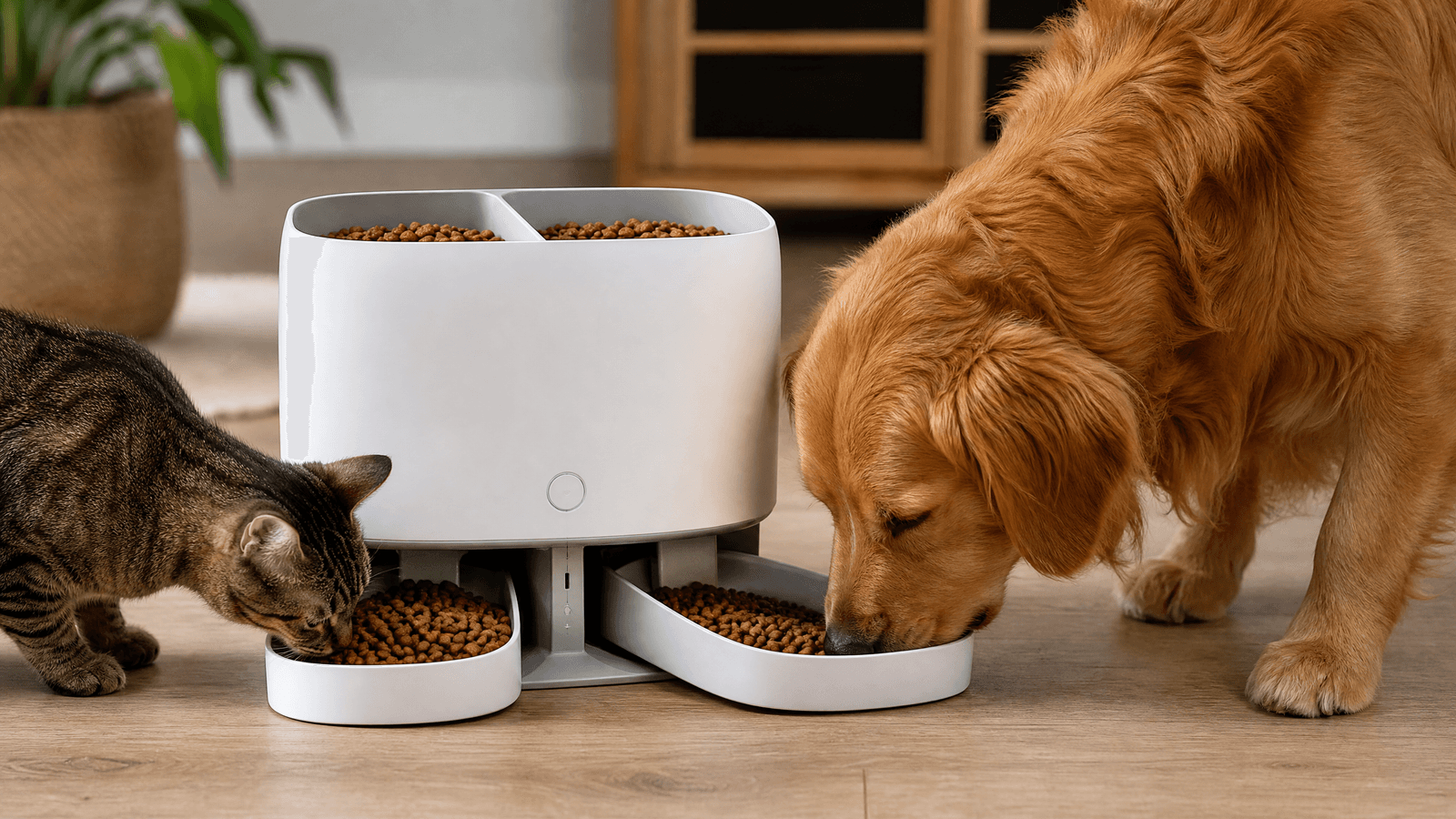
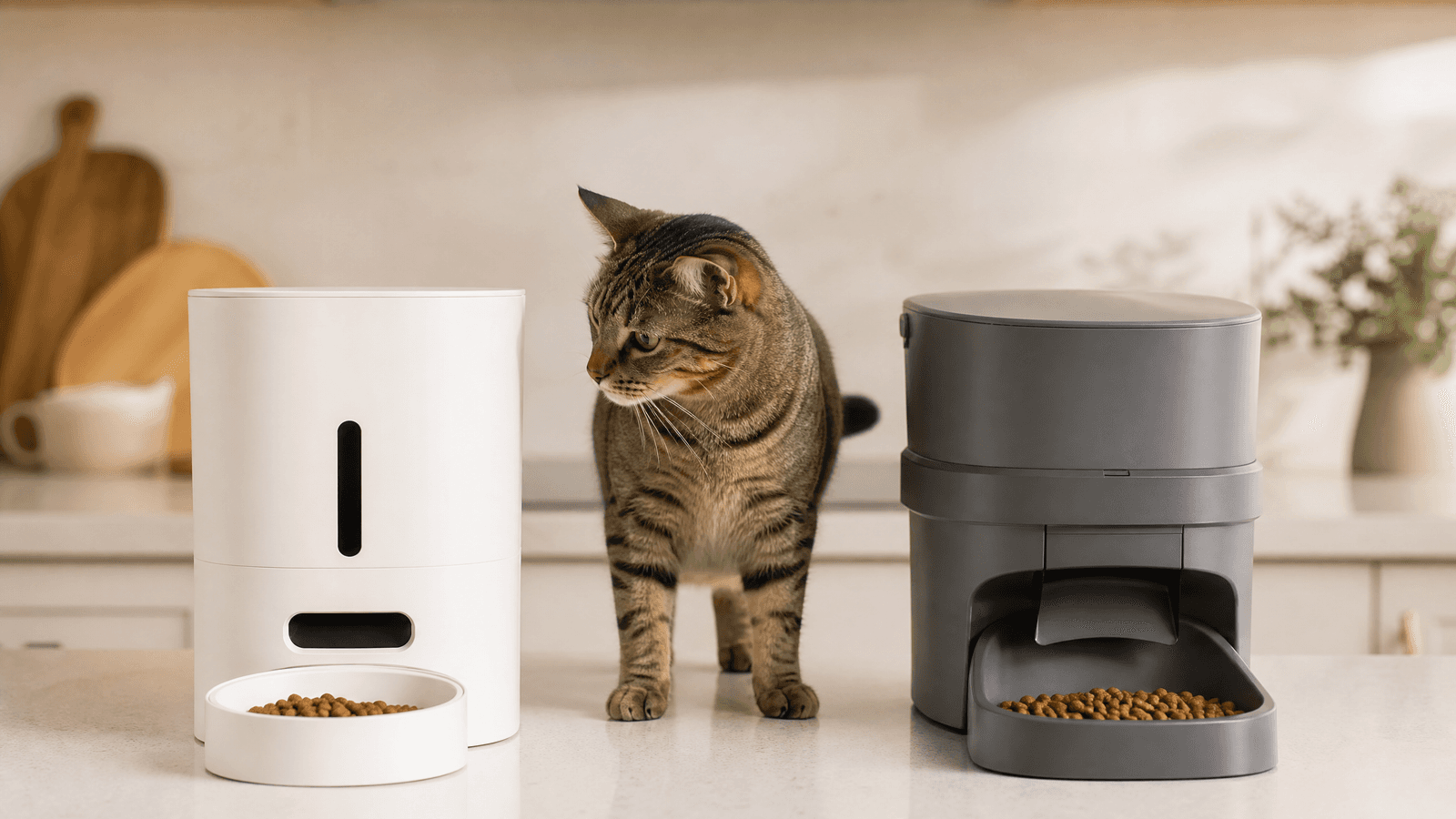
Choosing the right smart pet feeder can be a game-changer for busy pet parents. This article dives deep into the features of the PETLIBRO Granary Smart Camera Feeder and the PetSafe Smart Feed, helping you decide which one best suits your pet's needs and your lifestyle.
Read guide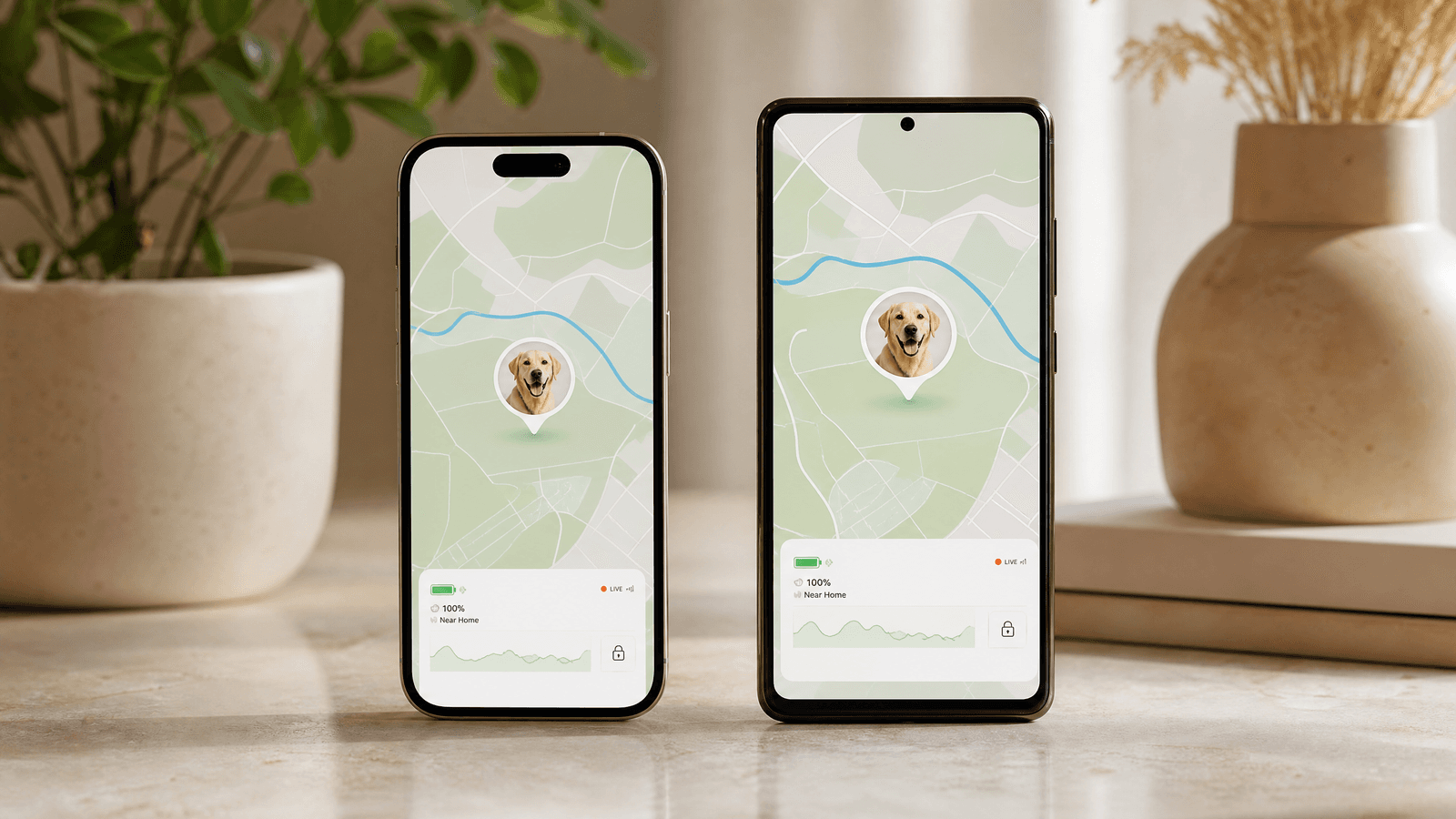
Choosing the right smart pet tech often comes down to the app experience. We compare how major pet tech brands perform on iOS versus Android, examining everything from interface design to feature parity and update frequency. Discover which platform offers a smoother, more reliable experience for managing your pet's smart devices.
Read guide