
Best fordogs that roam, run, or bolt
4,700+ Reviews
App Connected
GPS & Tracking
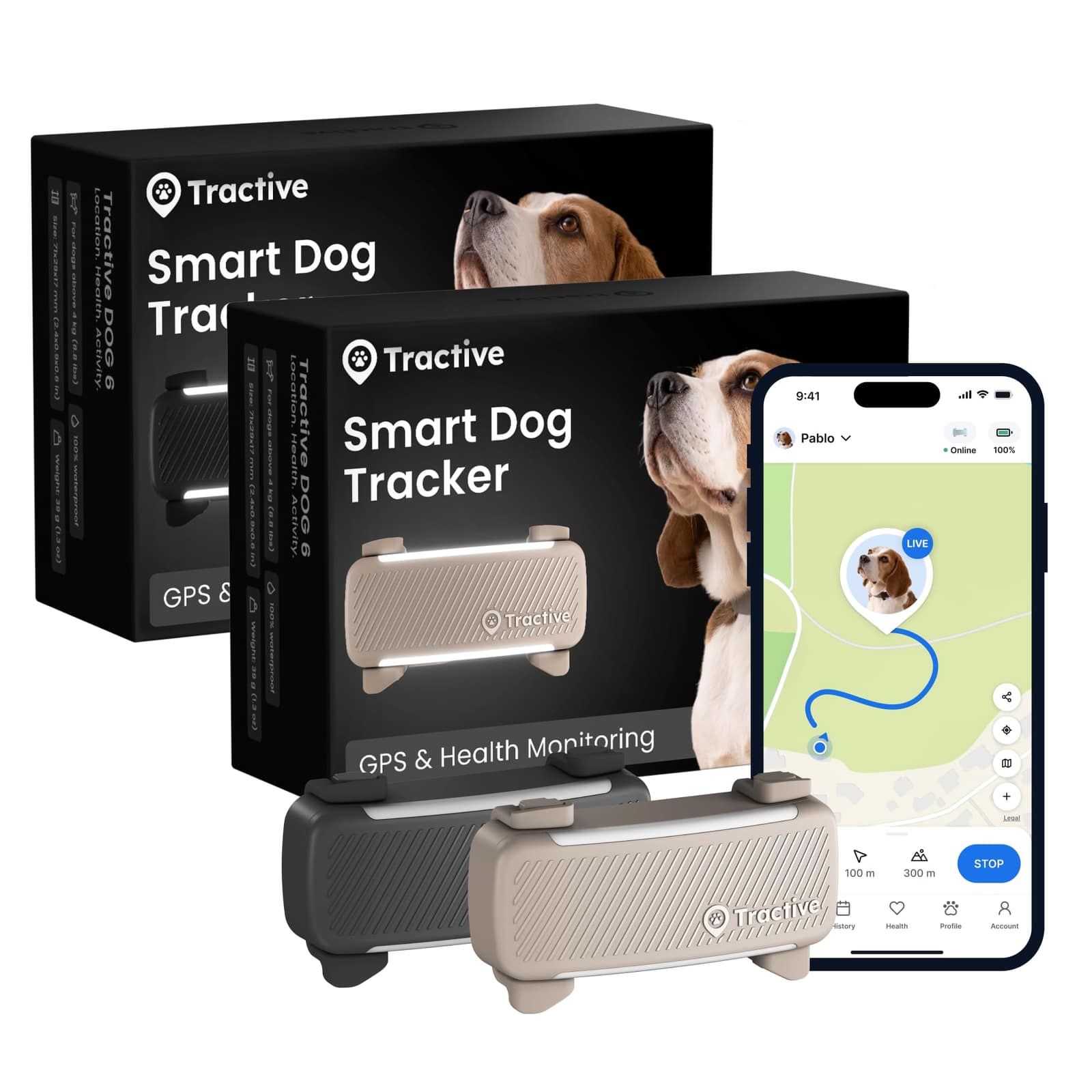
Tractive Smart Dog GPS Tracker
Real-time GPS tracking every 2–3 seconds. Unlimited range, worldwide.
4 · 4.7K reviews
8.3SmartPaws Score
How?Typically$35–$60In Stock
SmartPawsGuides, comparisons & trusted resources — Guides & trusted resources — always independent.
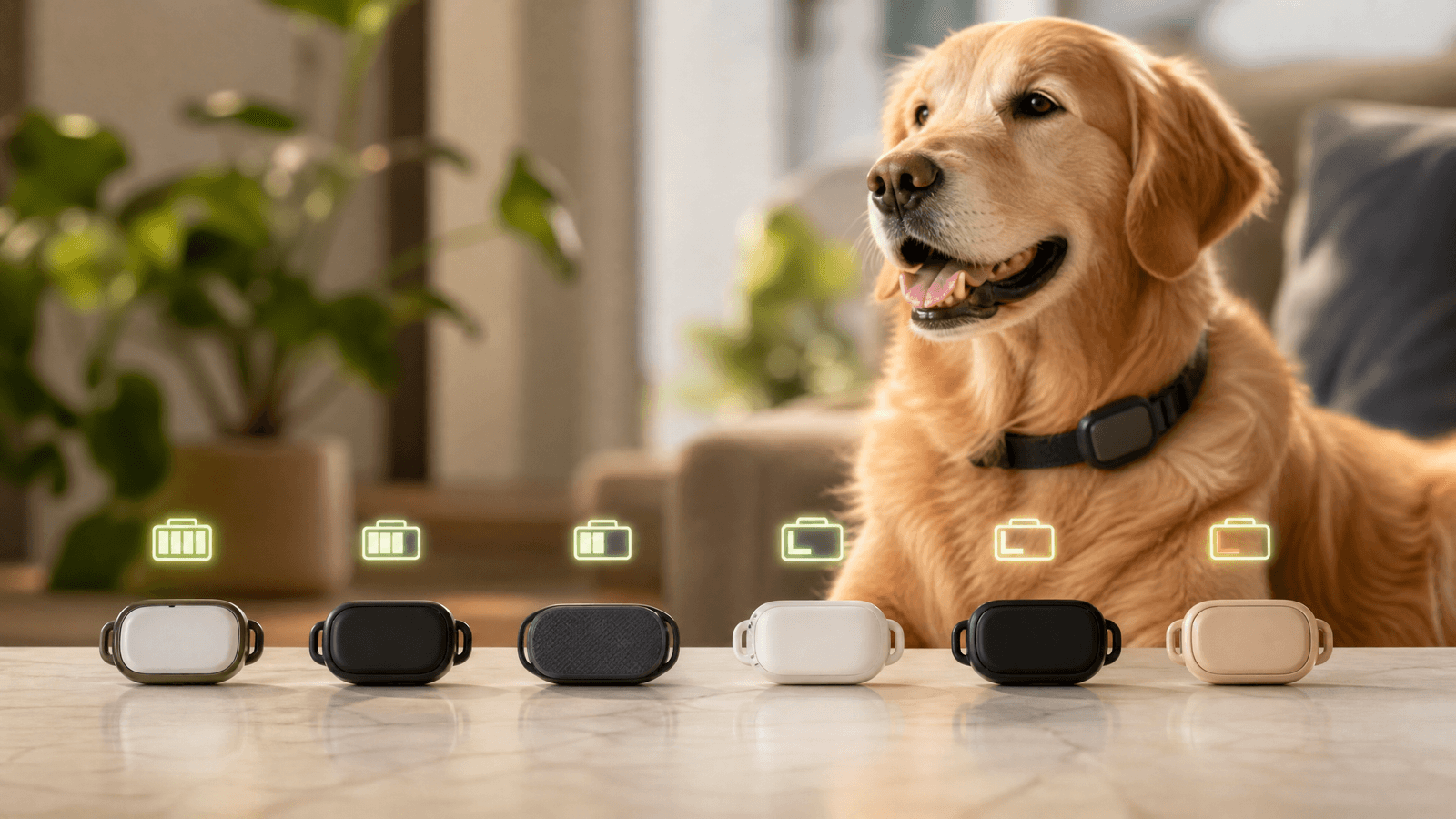
Navigate the world of pet safety with confidence: A detailed look at how top GPS pet trackers perform in real-world battery tests, comparing daily use against power-saving modes.
SmartPaws Editorial Team
Pet Tech Experts · Research-based content
This article contains affiliate links. We may earn a commission if you purchase through our links, at no extra cost to you. Keeping track of our beloved pets is a top priority for any pet parent. GPS pet trackers offer an invaluable layer of security, providing real-time location data and peace of mind. However, the effectiveness of these devices hinges significantly on one crucial factor: battery life. A tracker with a short battery life can quickly become a source of anxiety rather than reassurance, especially if your pet is prone to adventurous escapades. In this comprehensive guide, we'll dive deep into the real-world battery performance of the leading GPS pet trackers available in 2026. We'll compare their advertised battery lives against actual daily usage and explore the impact of various power-saving modes. Our goal is to help you understand what to expect from these devices and choose a tracker that truly meets your needs, ensuring your pet stays safe and connected without constant recharging worries. For a broader overview of available options, see our [GPS Tracker Buying Guide](/articles/best-gps-trackers-dogs-2026).
The battery life of a GPS pet tracker isn't a static number; it's influenced by a multitude of factors. Understanding these can help you optimize your tracker's performance and manage your expectations. Key elements include: * **Tracking Frequency:** The more often a tracker reports its location, the more battery it consumes. Live tracking modes, which update every few seconds, are battery-intensive. * **Signal Strength:** Devices constantly searching for a GPS or cellular signal in areas with poor reception will drain their batteries faster. * **Activity Level:** A highly active pet that is constantly moving will cause the tracker to update its location more frequently, leading to increased battery usage. * **Temperature:** Extreme cold or heat can negatively impact battery performance and overall lifespan. * **Geofence Zones:** Frequent entries and exits from defined safe zones can trigger more notifications and location updates, consuming more power. * **Battery Age:** Like all rechargeable batteries, the capacity of a tracker's battery will degrade over time. Manufacturers often quote battery life under ideal conditions, which may not reflect your pet's daily routine. It's essential to consider these real-world variables when evaluating a tracker's suitability.
Let's examine some of the most popular GPS pet trackers on the market and their typical battery performance, distinguishing between standard daily use and optimized power-saving modes.
GPS & Tracking
Real-time GPS tracking every 2–3 seconds. Unlimited range, worldwide.
Reliable tracking with flexible subscription plans and excellent coverage, ideal for active dogs.
The Tractive GPS Dog Tracker is a popular choice for its robust features and reliable performance. Tractive offers several tracking modes that directly impact battery life: * **Default Tracking (every 2-5 minutes):** In this mode, Tractive typically lasts **3-5 days** on a single charge. This is suitable for most daily activities, including walks and backyard play. * **LIVE Tracking (every 2-3 seconds):** When you activate LIVE tracking to follow your pet in real-time, the battery life drops significantly to around **8-12 hours**. This mode is best reserved for emergencies or when you need precise, immediate location updates. * **Power Saving Zone:** When your pet is within a designated Wi-Fi Power Saving Zone (e.g., your home), the tracker uses less power, extending battery life up to **7 days or more**. This is a fantastic feature for reducing daily charging needs. **Real-world usage:** Users often report getting 2-4 days with a mix of default and occasional LIVE tracking. If your dog spends most of its time at home within a Power Saving Zone, you can easily achieve the higher end of the battery life spectrum. Frequent use of LIVE tracking or poor cellular signal will reduce this considerably.
GPS & Tracking
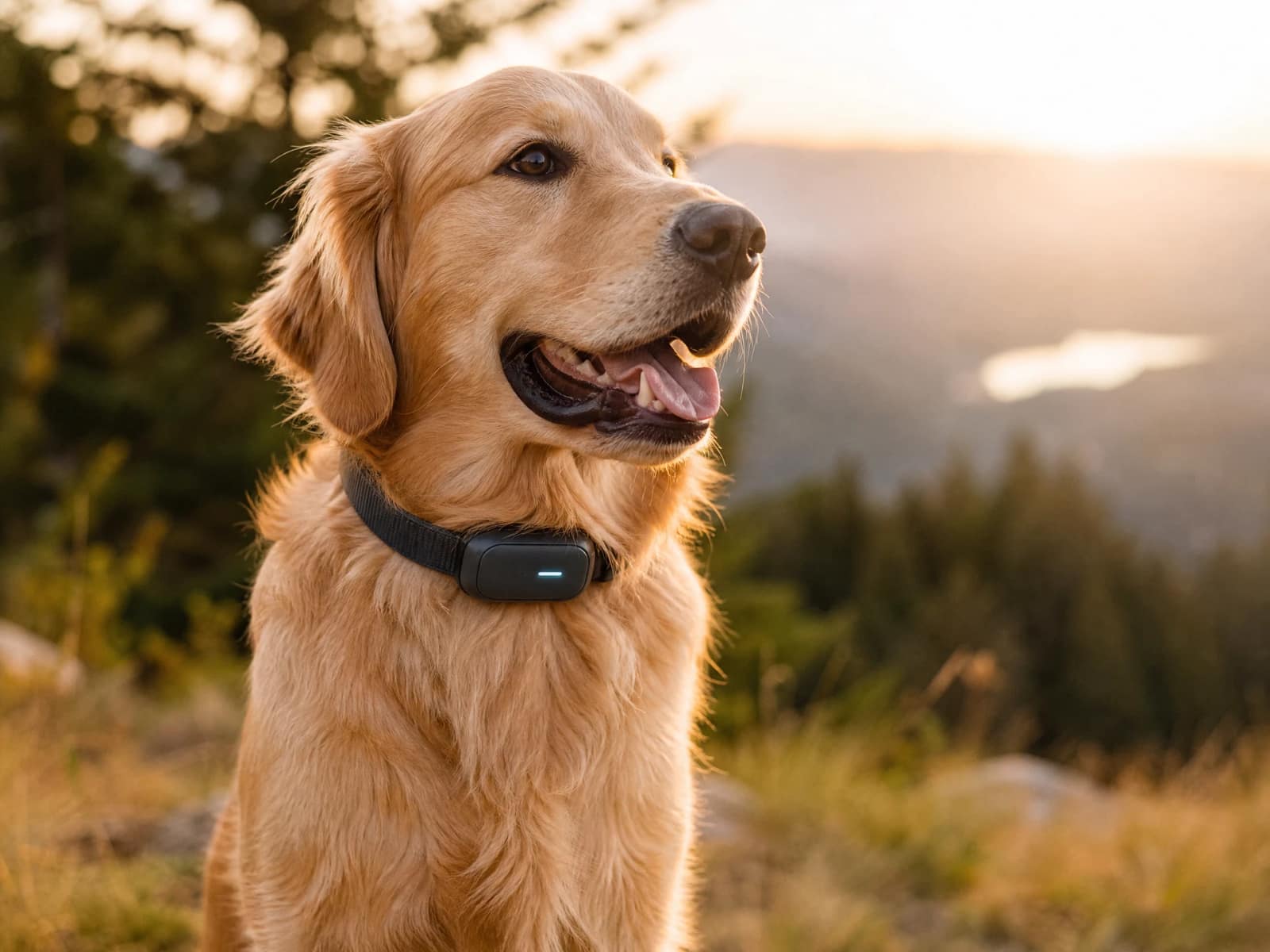
The most accurate GPS dog collar. Built to last.
Sleek design, integrated into a collar, with impressive battery life when connected to a Fi Base or Wi-Fi.
The Fi Series 3+ GPS Collar stands out for its integrated design and advanced power management. Fi's battery life is heavily dependent on its connection status: * **Connected to Fi Base or Known Wi-Fi:** When your dog is within range of a Fi Base or a configured Wi-Fi network, the collar can last an impressive **up to 3 weeks**. This is because it uses less power to communicate with the base/Wi-Fi than with cellular networks. * **Connected to Phone's Bluetooth:** If your dog is near your phone with the Fi app open, the collar can last **up to 1 week**. This mode is efficient for walks and short outings. * **GPS Only (Away from Base/Wi-Fi/Bluetooth):** When the collar is relying solely on GPS and cellular networks (e.g., if your dog escapes), the battery life typically ranges from **2-3 days**. This is the most battery-intensive mode. **Real-world usage:** Many users praise Fi for its long battery life, especially if their dog spends a good portion of the day at home or near their phone. The key to maximizing Fi's battery is to ensure you have Fi Bases strategically placed and Wi-Fi networks configured where your dog spends most of its time. For more details on its features, check out our [Fi Series 3+ Review](/articles/fi-series-3-plus-review-2026).
The discrepancy between advertised battery life and real-world performance often stems from the difference between 'ideal' conditions and typical daily use. Most manufacturers test battery life under scenarios that minimize power consumption, such as infrequent tracking updates or constant connection to a home base. **Daily Use:** For most pet owners, 'daily use' involves a mix of scenarios: time at home, walks in the park, trips to the vet, and perhaps occasional escapes. This varied usage means the tracker will frequently switch between different power modes, often relying on more battery-intensive GPS and cellular connections. Consequently, you'll likely experience battery life closer to the lower end of the advertised range, or even less, if your pet is particularly active or lives in an area with spotty signal. **Power-Saving Modes:** These modes are designed to extend battery life by reducing tracking frequency, utilizing Wi-Fi or Bluetooth connections when available, or entering a low-power state when the pet is stationary. While incredibly useful, relying solely on power-saving modes means you might not get the most immediate tracking data when you need it most. The best approach is to understand how these modes work and configure your tracker to balance battery longevity with tracking responsiveness based on your pet's habits and your peace of mind.
The battery life of a GPS pet tracker is a critical consideration that directly impacts its utility and your peace of mind. While manufacturers provide estimates, real-world performance can vary significantly based on usage patterns, environment, and the specific features of the device. For those prioritizing maximum longevity when your pet is mostly at home or near a known Wi-Fi network, the **Fi Series 3+ GPS Collar** offers unparalleled battery life. However, if your pet is frequently on the go or you need consistent tracking without relying on home bases, the **Tractive GPS Dog Tracker** provides a robust balance of features and decent battery performance, especially with its Power Saving Zones. Ultimately, the best tracker for you will depend on your pet's lifestyle and your specific needs. By understanding the nuances of battery life and how different modes affect it, you can make an informed decision that keeps your furry companion safe and connected for longer.
Keep reading
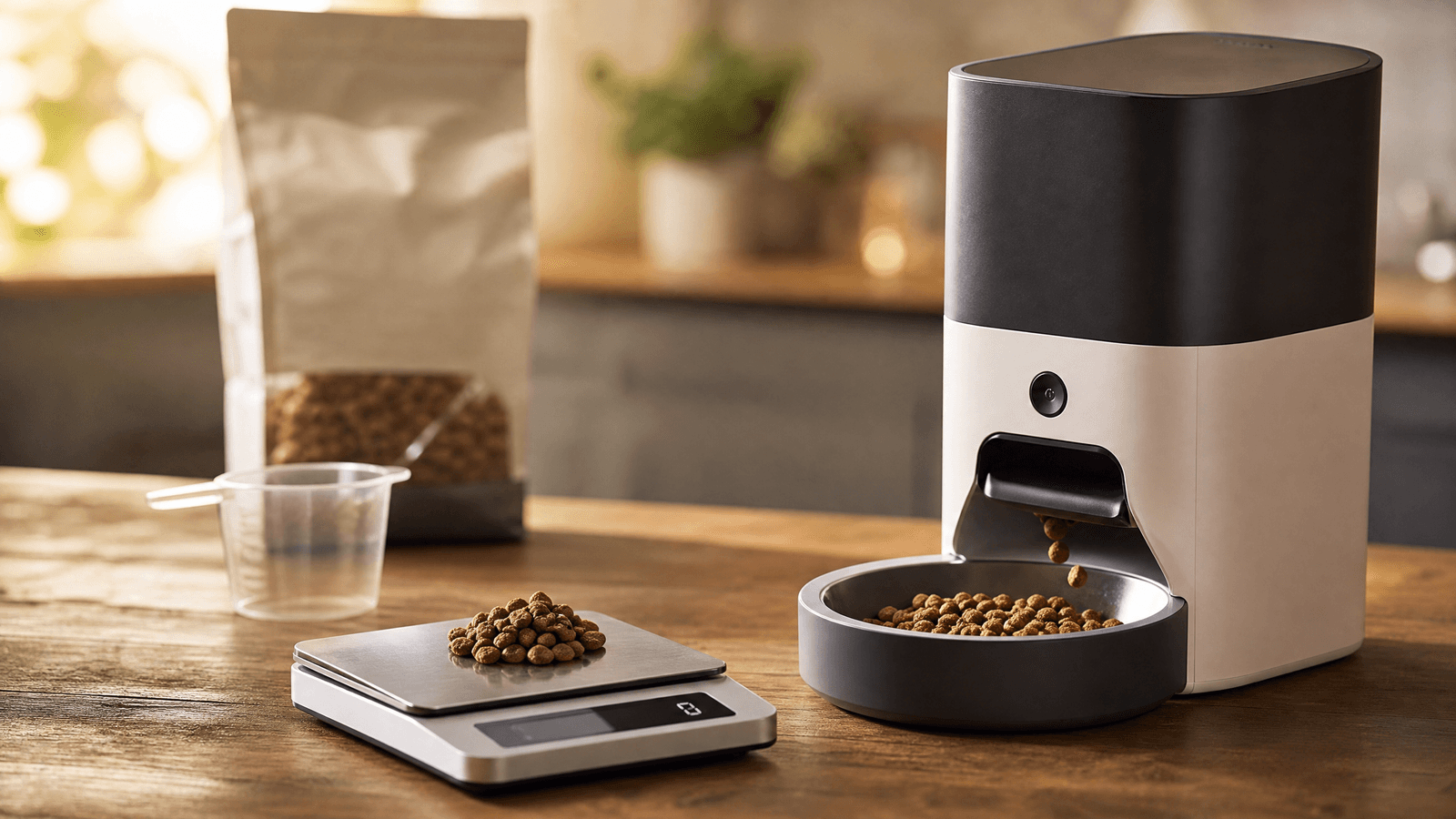
Ensuring your pet receives precise meal portions is crucial for their health and well-being. Our in-depth comparison tests the leading smart pet feeders on the market to reveal which ones offer the most consistent and accurate food delivery. Discover our top picks for maintaining your pet's ideal weight and dietary needs.
Read guide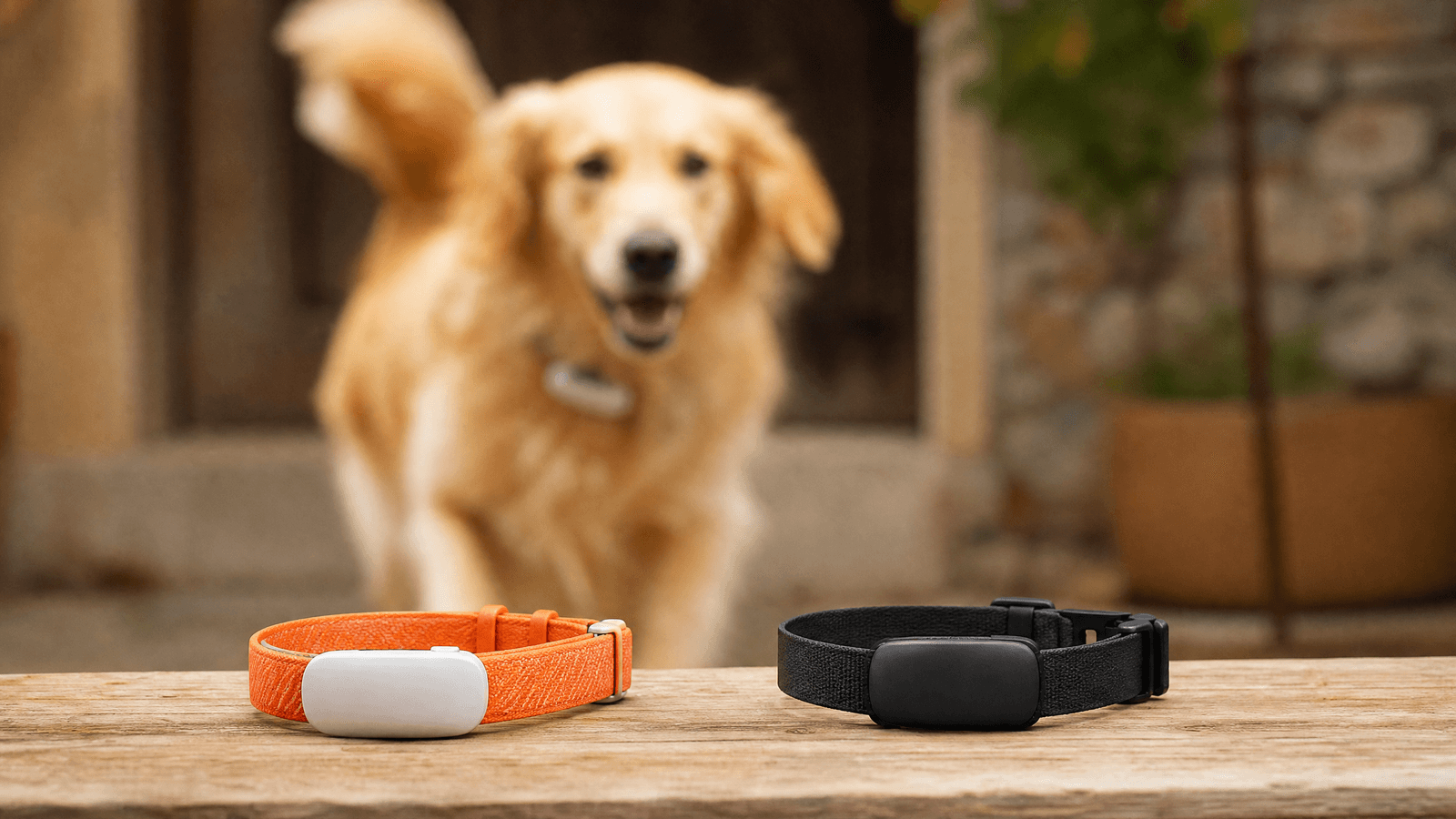
When it comes to keeping tabs on your adventurous canine, Tractive GPS and Fi Series 3+ are two of the most popular and reliable dog GPS trackers on the market. This comprehensive comparison breaks down their features, pricing, subscription plans, and battery life to help you decide which device is the perfect fit for your furry friend and your lifestyle.
Read guide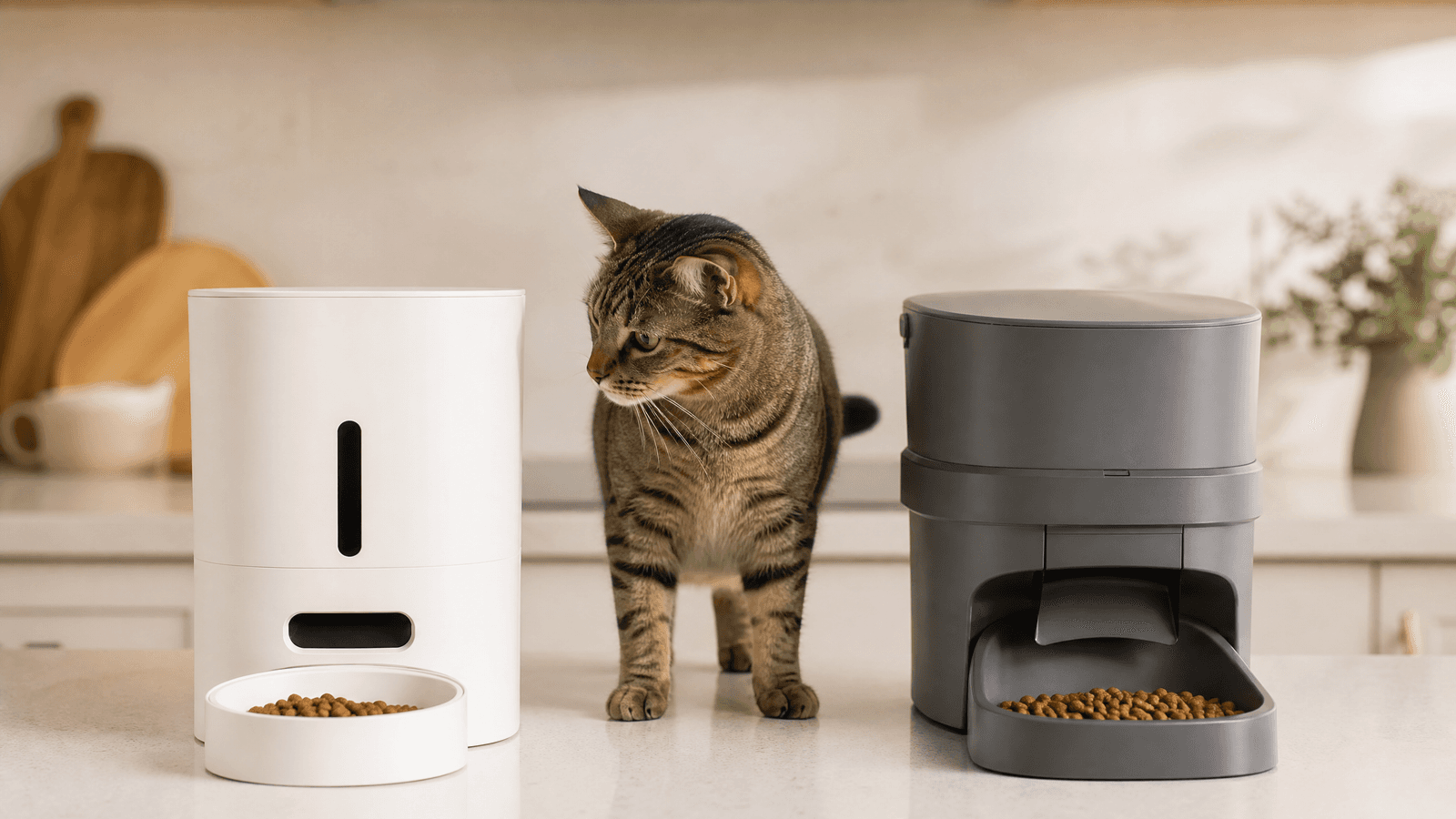
Choosing the right smart pet feeder can be a game-changer for busy pet parents. This article dives deep into the features of the PETLIBRO Granary Smart Camera Feeder and the PetSafe Smart Feed, helping you decide which one best suits your pet's needs and your lifestyle.
Read guide