
Best fordogs that roam, run, or bolt
4,700+ Reviews
App Connected
GPS & Tracking
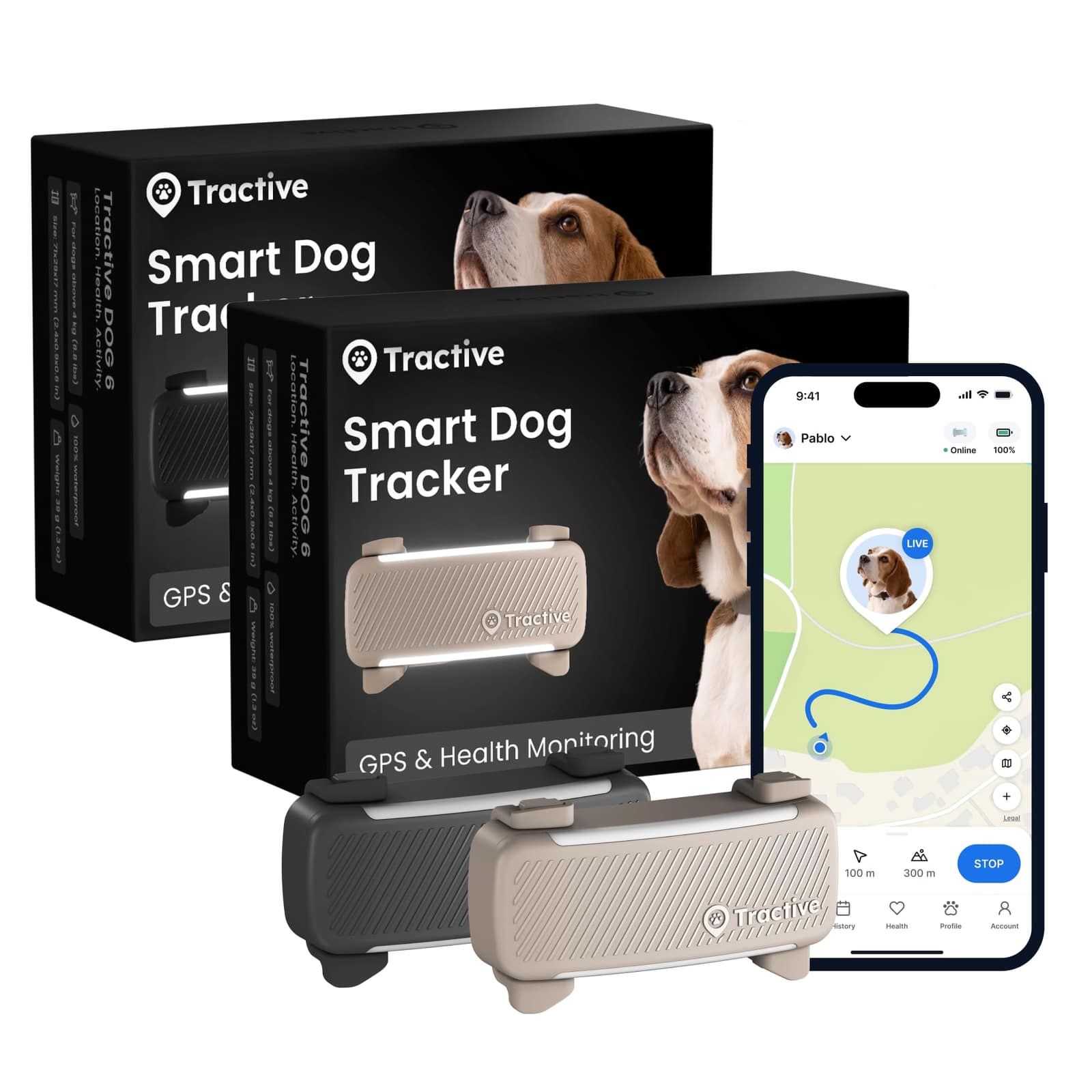
Tractive Smart Dog GPS Tracker
Real-time GPS tracking every 2–3 seconds. Unlimited range, worldwide.
4 · 4.7K reviews
8.3SmartPaws Score
How?Typically$35–$60In Stock
SmartPawsGuides, comparisons & trusted resources — Guides & trusted resources — always independent.
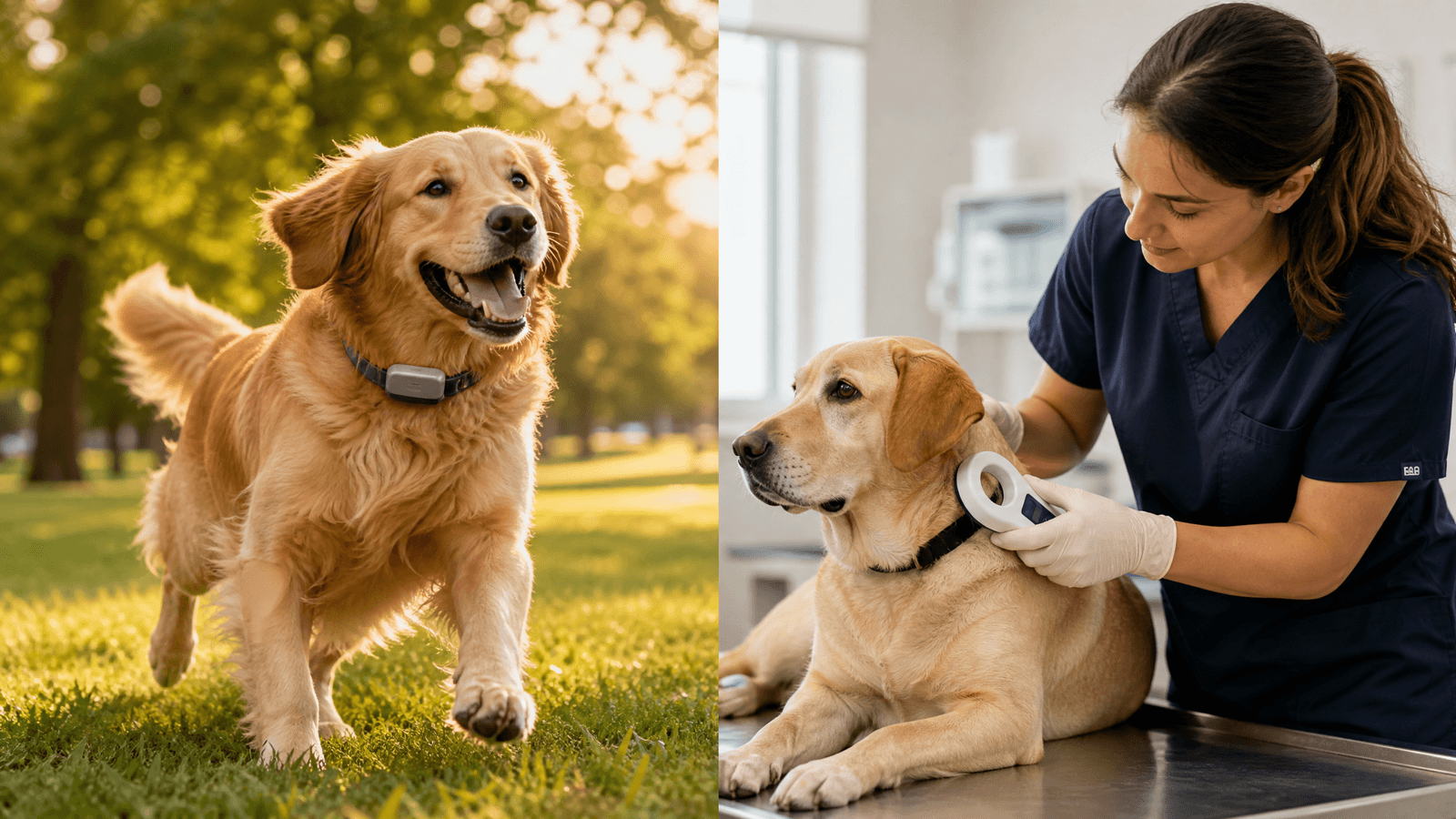
Understanding the key distinctions between real-time tracking and permanent identification for your dog's safety.
SmartPaws Editorial Team
Pet Tech Experts · Research-based content
This article contains affiliate links. We may earn a commission if you purchase through our links, at no extra cost to you. Ensuring your dog's safety is a top priority for any pet parent. The fear of a lost pet is a common anxiety, and thankfully, technology offers powerful solutions to mitigate this risk. Among the most discussed options are GPS dog trackers and microchips. While both aim to help reunite you with a lost pet, their methods, capabilities, and applications are fundamentally different. Understanding these differences is crucial for choosing the right tools to protect your furry friend.
A GPS (Global Positioning System) dog tracker is a device, typically worn on your dog's collar, that uses satellite technology to pinpoint its location in real-time. These devices transmit location data to your smartphone or computer, allowing you to see your dog's whereabouts on a map. Many modern GPS trackers also offer features like geofencing (creating virtual boundaries that alert you if your dog crosses them), activity monitoring, and even training capabilities. GPS trackers are active devices, meaning they require a power source (a rechargeable battery) and often a cellular subscription to transmit data. They are designed for immediate, dynamic tracking, making them invaluable if your dog escapes or gets lost during an outdoor adventure. The primary benefit is the ability to actively search for and locate your pet quickly, often within a few feet of their actual position.
GPS & Tracking
Real-time GPS tracking every 2–3 seconds. Unlimited range, worldwide.
Offers real-time tracking, virtual fences, and activity monitoring with a robust, waterproof design. Ideal for adventurous dogs.
GPS & Tracking
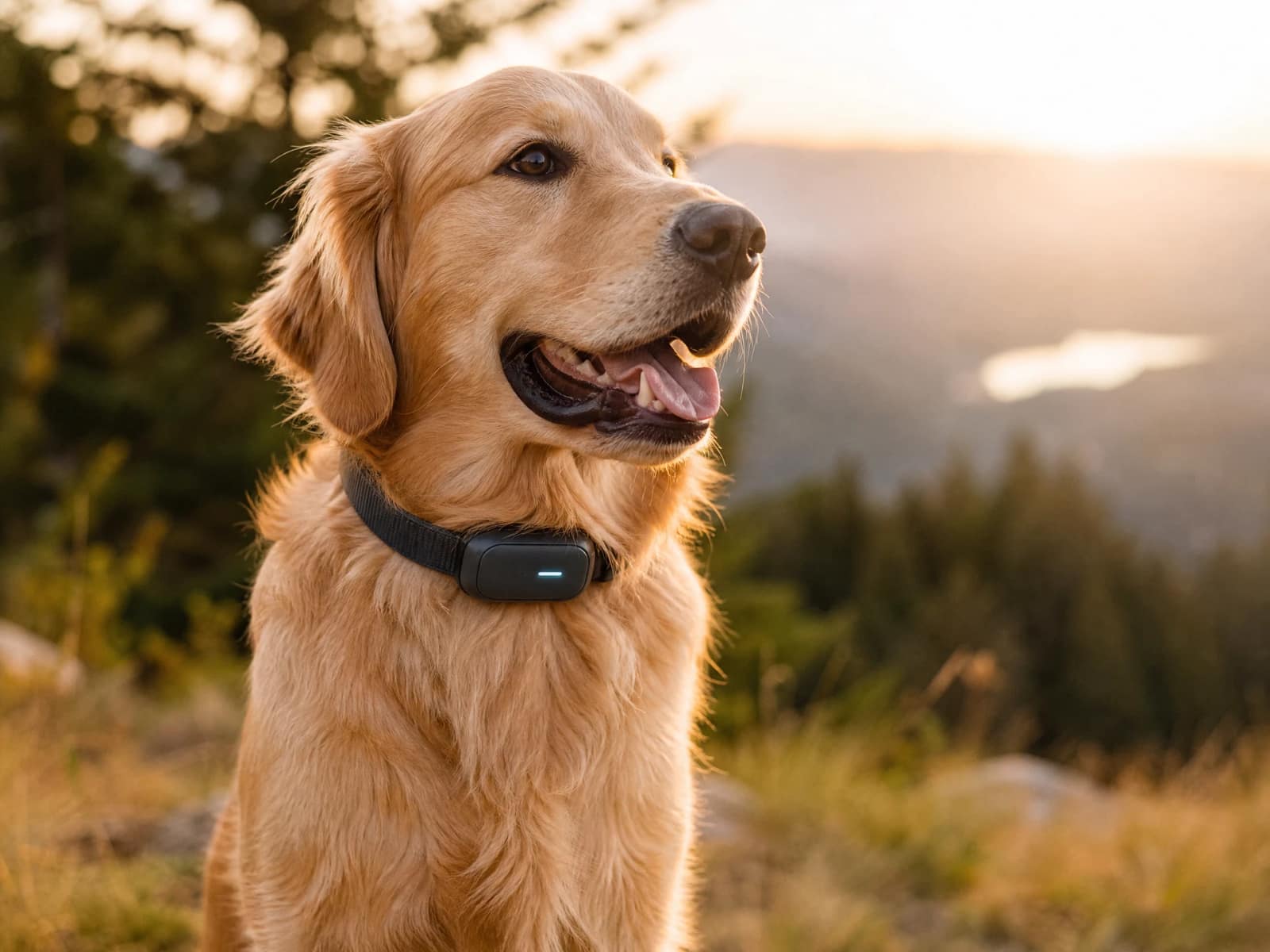
The most accurate GPS dog collar. Built to last.
A stylish and durable smart collar with advanced GPS tracking, long battery life, and comprehensive activity insights. Perfect for active dogs and owners who value design.
A dog microchip is a tiny, passive transponder, about the size of a grain of rice, that is implanted subcutaneously (under the skin) between your dog's shoulder blades. This procedure is quick, relatively painless, and typically performed by a veterinarian. The microchip contains a unique identification number that is registered in a national pet recovery database, linked to your contact information. Unlike GPS trackers, microchips do not have a power source and do not actively transmit a signal. They are passive devices, meaning they only work when scanned by a compatible microchip scanner. When a lost pet is found and taken to a vet clinic or animal shelter, they will scan the pet for a microchip. If one is found, the unique ID number is used to look up the owner's contact details in the database, facilitating a reunion. A microchip serves as permanent, tamper-proof identification, offering peace of mind that your dog always carries proof of ownership.
The fundamental difference between a GPS tracker and a microchip lies in their function: one is for active tracking, the other for passive identification. Let's break down the key distinctions: **Functionality:** A GPS tracker provides real-time location data, allowing you to actively monitor your dog's movements and find them quickly if they go missing. A microchip, conversely, is a permanent ID that must be scanned to retrieve your contact information. It doesn't help you find your dog, but it confirms their identity once found. **Technology:** GPS trackers use satellite signals and often cellular networks for communication. Microchips use passive RFID (Radio-Frequency Identification) technology, activated only by an external scanner. **Power Source:** GPS trackers require a rechargeable battery and regular charging. Microchips are passive and require no power source, lasting for your dog's entire life. **Cost:** GPS trackers typically involve an upfront device cost plus a monthly or annual subscription fee for data transmission. Microchips usually have a one-time implantation and registration fee, with no ongoing costs (though some databases may offer premium services). **Retrieval Time:** With a GPS tracker, you can potentially locate your dog within minutes or hours. With a microchip, retrieval depends on your dog being found, taken to a facility with a scanner, and the database being up-to-date. **Durability & Permanence:** Microchips are implanted internally, making them virtually impossible to lose or damage. GPS trackers are external devices that can be lost, damaged, or removed from a collar, though many are designed to be rugged and waterproof.
The choice between a GPS tracker and a microchip isn't necessarily an 'either/or' situation; often, the best approach is to utilize both. However, if you must choose, consider your primary concerns: **Choose a GPS Tracker if:** * You have an escape artist or a dog prone to wandering. * You frequently take your dog to new or unfamiliar environments (e.g., hiking, camping, dog parks). * You want immediate alerts if your dog leaves a designated safe zone (geofencing). * You desire to monitor your dog's activity levels and health insights. **Choose a Microchip if:** * You want a permanent, lifelong form of identification that cannot be lost or removed. * You need proof of ownership in case of theft or dispute. * You rely on the standard pet recovery system (vets, shelters) to reunite you with a lost pet. * You're looking for a one-time, low-maintenance solution for identification. For comprehensive protection, combining both technologies offers the best of both worlds. The GPS tracker gives you the power to actively search and retrieve, while the microchip acts as a crucial backup, ensuring your dog can be identified even if their collar (and tracker) is lost or removed. For more details on specific models, see our [GPS Tracker Buying Guide](/articles/best-gps-trackers-dogs-2026).
Both GPS trackers and microchips are invaluable tools in a responsible pet owner's arsenal, but they serve distinct, complementary roles. A GPS tracker is your active search and rescue companion, providing real-time location data to quickly find a lost pet. A microchip is a passive, permanent identification that ensures your dog can be identified and returned to you once found by a third party. By understanding their differences and considering your dog's lifestyle and your personal needs, you can make the best decision to safeguard your furry family member. For ultimate peace of mind, integrating both technologies offers the most robust safety net against the heartbreak of a lost pet.
Keep reading
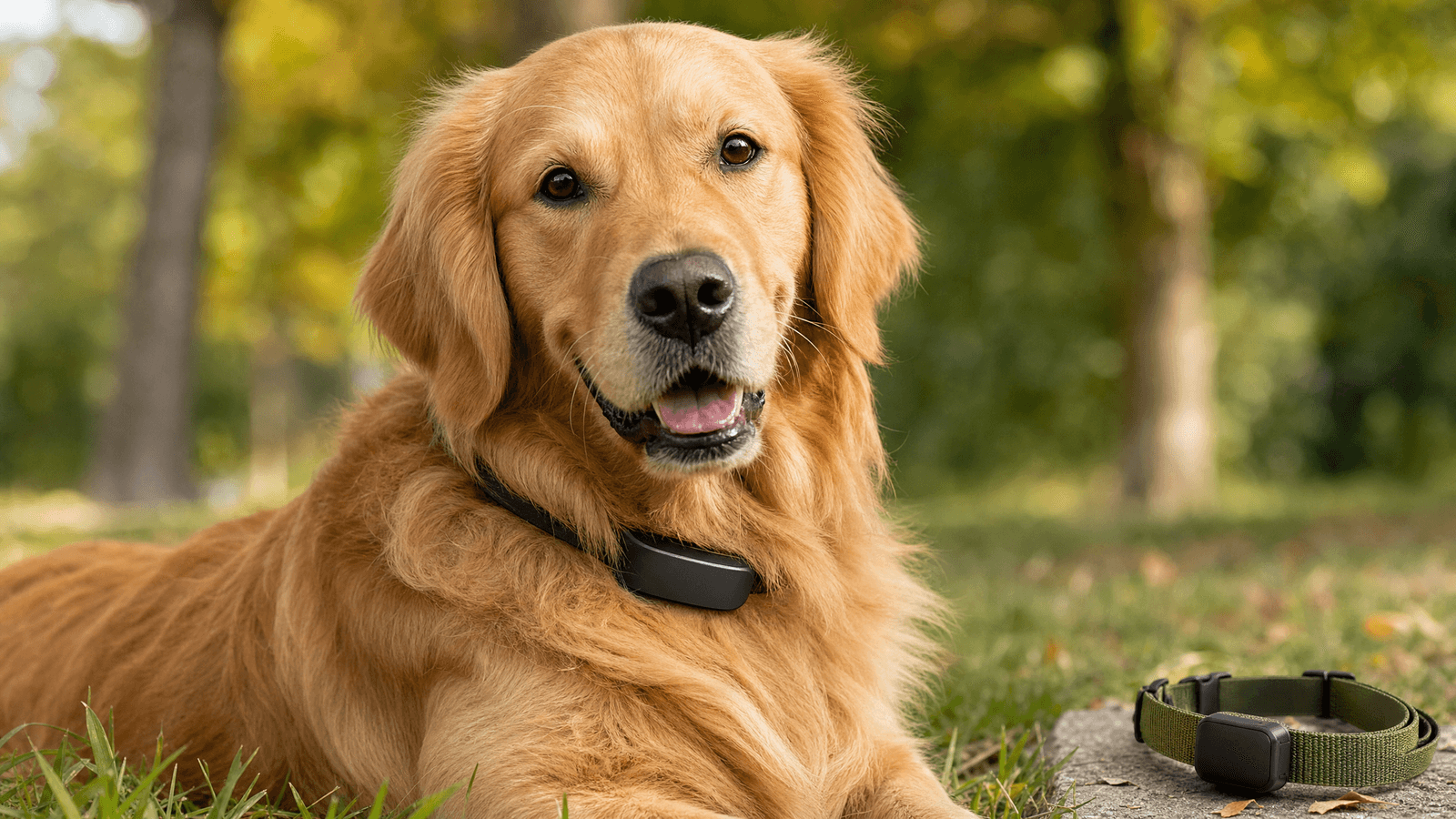
Choosing the right GPS tracker for your dog is crucial for their safety and your peace of mind. This guide breaks down the practical differences between integrated GPS collars like Fi and versatile clip-on trackers such as Tractive, helping you make an informed decision.
Read guide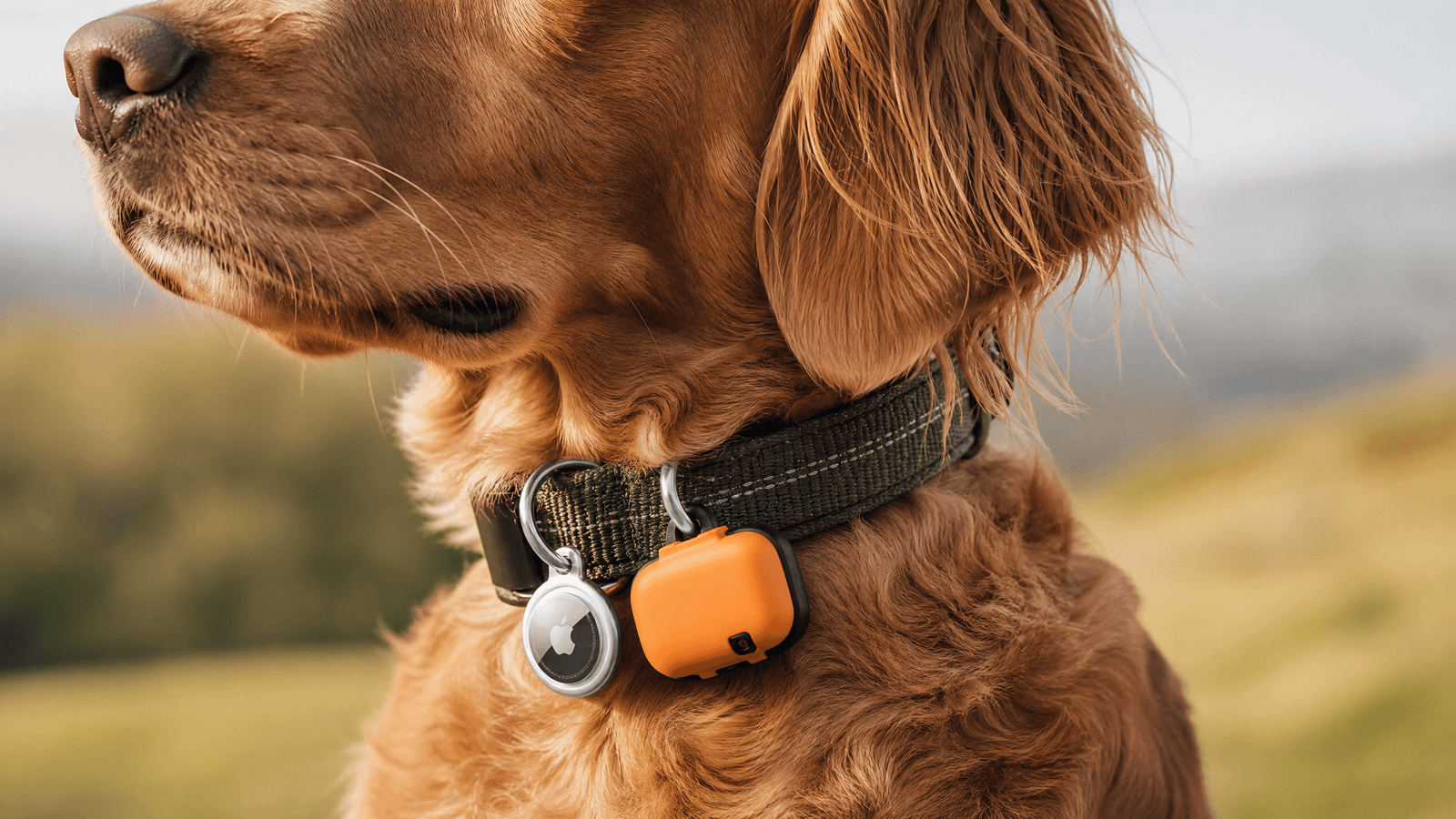
When it comes to keeping tabs on your adventurous canine, the market offers a bewildering array of options. Two popular choices often debated are dedicated GPS trackers like Tractive and the ubiquitous Apple AirTag. But are they truly interchangeable?
Read guide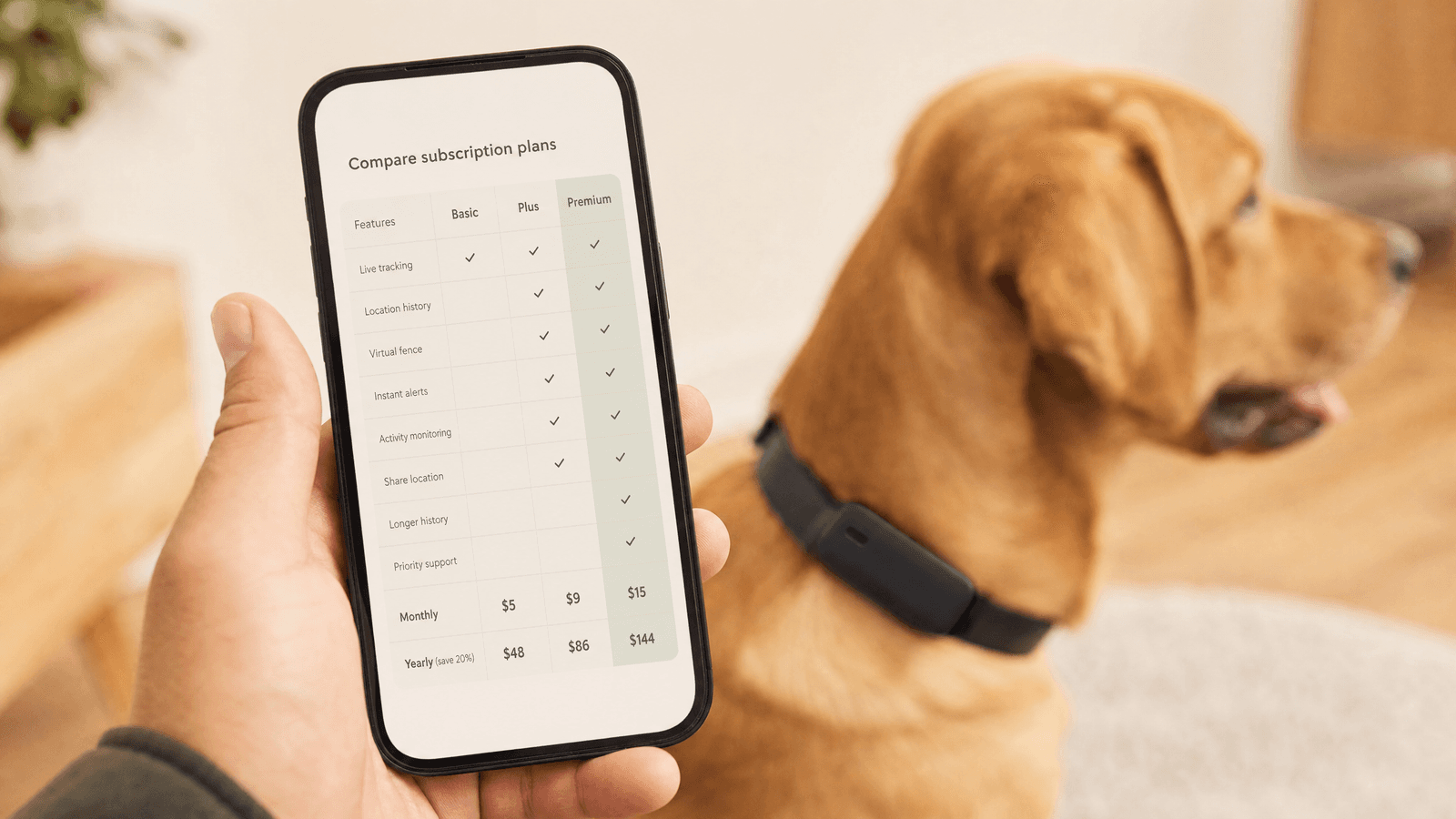
Choosing a GPS pet tracker involves more than just the initial device cost. Subscription fees are a significant factor in the true cost of ownership. We break down the monthly and annual plans for leading trackers to help you make an informed decision.
Read guide