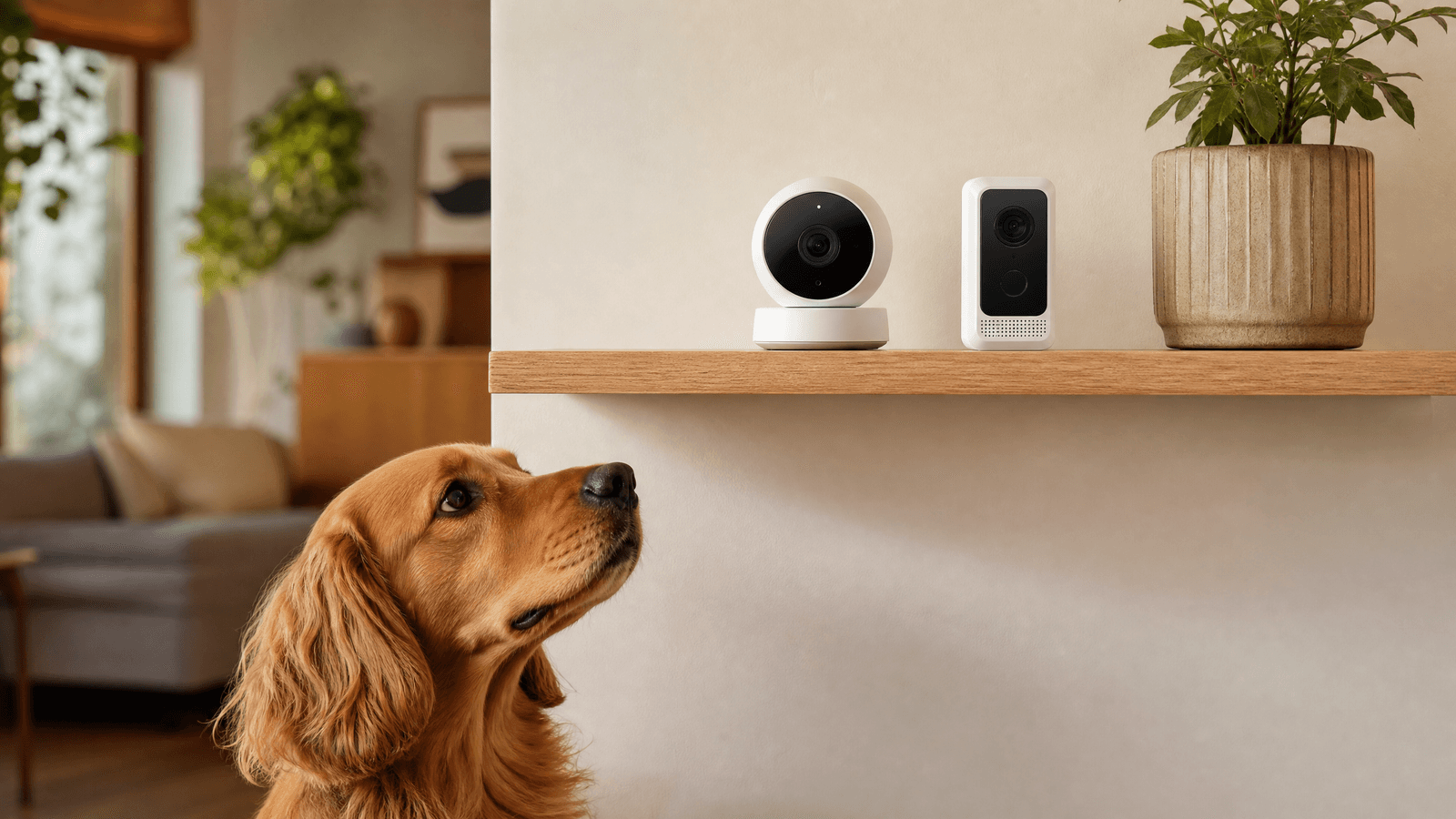
Best forwatching your dog eat from anywhere
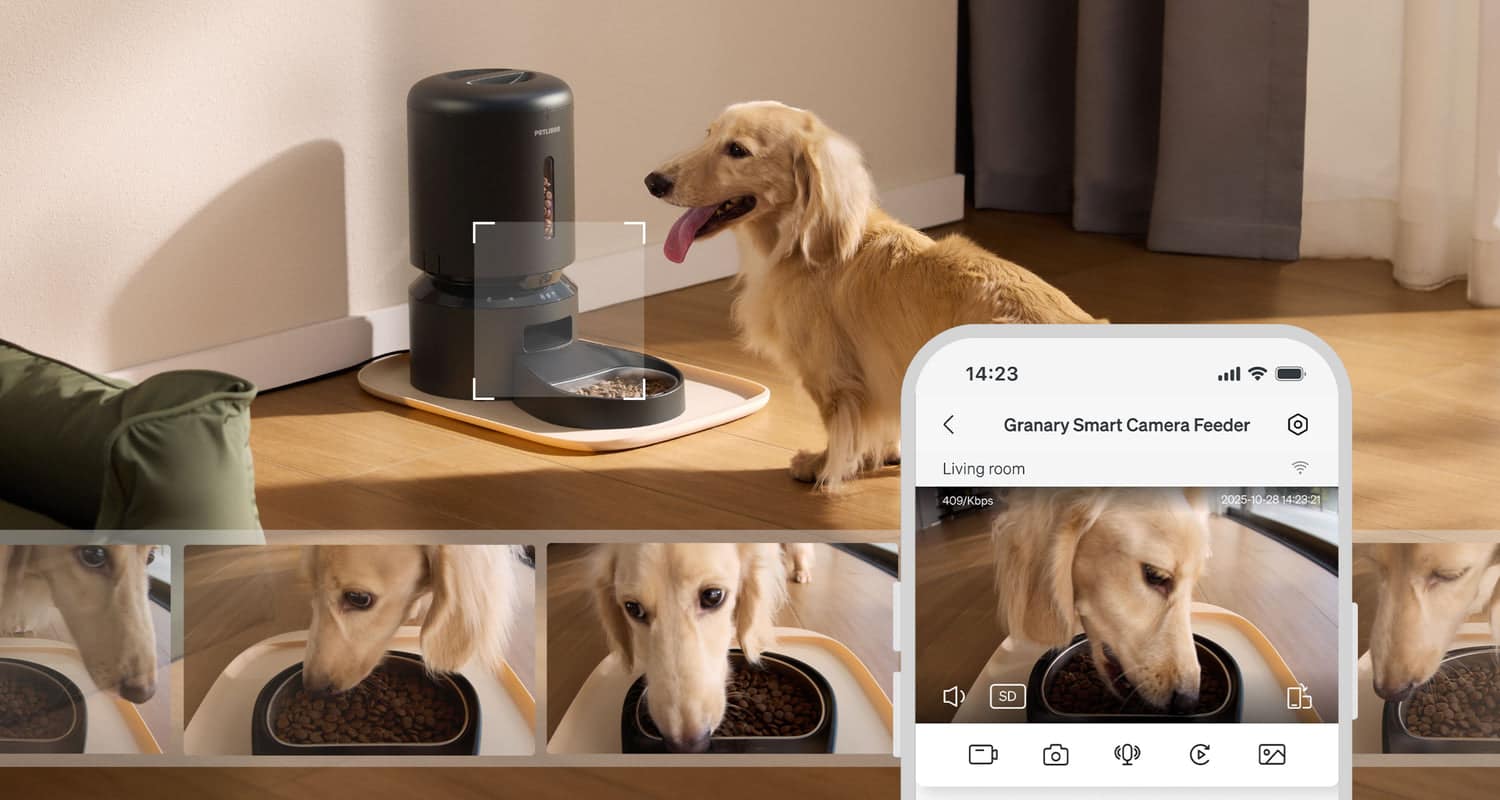
Amazon #1
App Connected
Smart Feeding
PETLIBRO Smart Feeder with Camera
Schedule your dog's meals and watch them eat — from anywhere.
4.6 · 12K reviews
8.2SmartPaws Score
How?Typically$99–$139In Stock
SmartPawsGuides, comparisons & trusted resources — Guides & trusted resources — always independent.
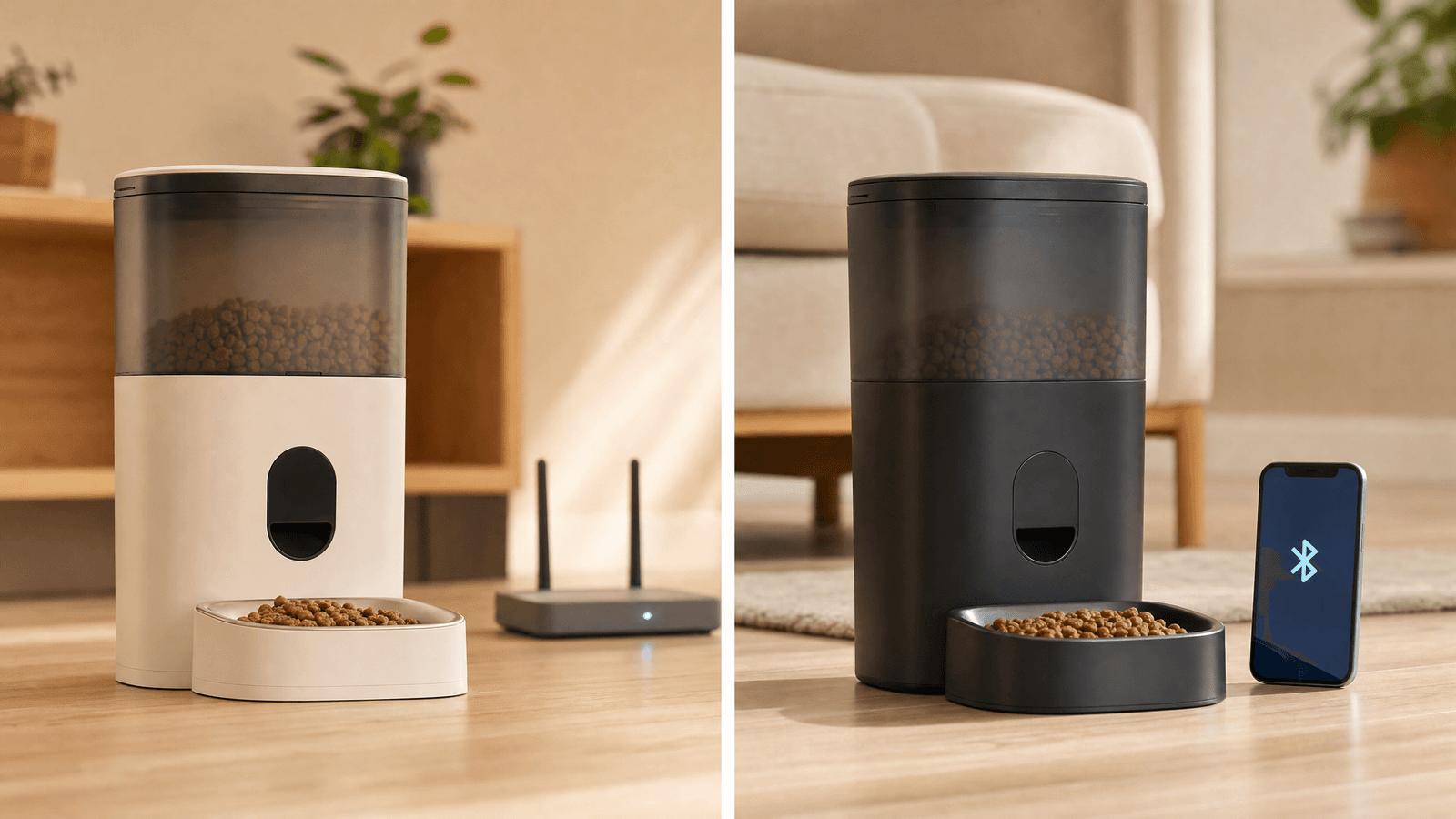
Choosing the right smart pet feeder depends on understanding its connectivity: WiFi offers remote control, while Bluetooth provides local convenience.
SmartPaws Editorial Team
Pet Tech Experts · Research-based content
In the rapidly evolving world of pet technology, smart pet feeders have become indispensable tools for busy pet parents. They promise convenience, peace of mind, and better portion control for our furry friends. However, beneath the surface of automated feeding lies a crucial decision: what type of connectivity best suits your needs? This article delves into the core differences between WiFi and Bluetooth pet feeders, examining their range, reliability, and remote access capabilities. **This article contains affiliate links. We may earn a commission if you purchase through our links, at no extra cost to you.**
At their heart, smart pet feeders are designed to dispense food automatically, often on a schedule or on demand. The 'smart' aspect comes from their ability to connect to your smartphone or other devices, allowing for programming, monitoring, and sometimes even interaction. The method of this connection—primarily WiFi or Bluetooth—dictates much of the feeder's functionality and how it integrates into your daily life.
WiFi-enabled pet feeders connect directly to your home's wireless network, much like your smartphone or laptop. This connection allows them to communicate with a companion app on your phone, regardless of your proximity to the feeder. This means you can be at work, on vacation, or simply in another room, and still manage your pet's feeding schedule.
The primary advantage of WiFi feeders is **remote access**. You can schedule meals, dispense food instantly, receive feeding notifications, and even monitor food levels from anywhere with an internet connection. Many WiFi feeders also offer advanced features like integrated cameras for live viewing and two-way audio, allowing you to check in on your pet and even speak to them. They often integrate seamlessly with smart home ecosystems, offering voice control via devices like Amazon Alexa or Google Assistant. This level of control and monitoring provides unparalleled peace of mind for pet owners who are frequently away from home.
While powerful, WiFi feeders come with their own set of challenges. They are entirely reliant on a stable home WiFi network; if your internet goes down, the feeder might lose its 'smart' capabilities, though most have a local schedule backup. Setup can sometimes be more complex, requiring specific network configurations. There's also a potential for **security concerns**, as any internet-connected device can be vulnerable to cyber threats, though reputable brands prioritize encryption and data protection. Furthermore, the initial cost can be higher than Bluetooth-only models.
Smart Feeding
Schedule your dog's meals and watch them eat — from anywhere.
Reliable WiFi connectivity for remote feeding, app control, and scheduling. Features a desiccant bag to keep food fresh and a secure lid to prevent pet access.
Bluetooth pet feeders operate on a shorter-range wireless technology, creating a direct connection between the feeder and your smartphone when you are within close proximity (typically up to 30 feet). This means you need to be physically near the feeder to control it or adjust settings via its companion app.
The main advantage of Bluetooth feeders is their **simplicity and independence from your home network**. Setup is generally straightforward, often involving a quick pairing process. They don't require an internet connection to function, making them ideal for homes with unreliable WiFi or for users who prefer not to have another device connected to their network. They are also typically more affordable than their WiFi counterparts. For pet owners who are usually home and just want the convenience of app-based scheduling without remote access, Bluetooth feeders are an excellent, cost-effective solution.
The most significant limitation of Bluetooth feeders is their **limited range**. You cannot control or monitor the feeder when you're away from home. This means no remote feeding, no off-site notifications, and no checking in on your pet's meal times unless you're nearby. They also tend to offer fewer advanced features compared to WiFi models, often lacking cameras, voice control integration, or detailed feeding reports. If remote management is a priority, Bluetooth will fall short.
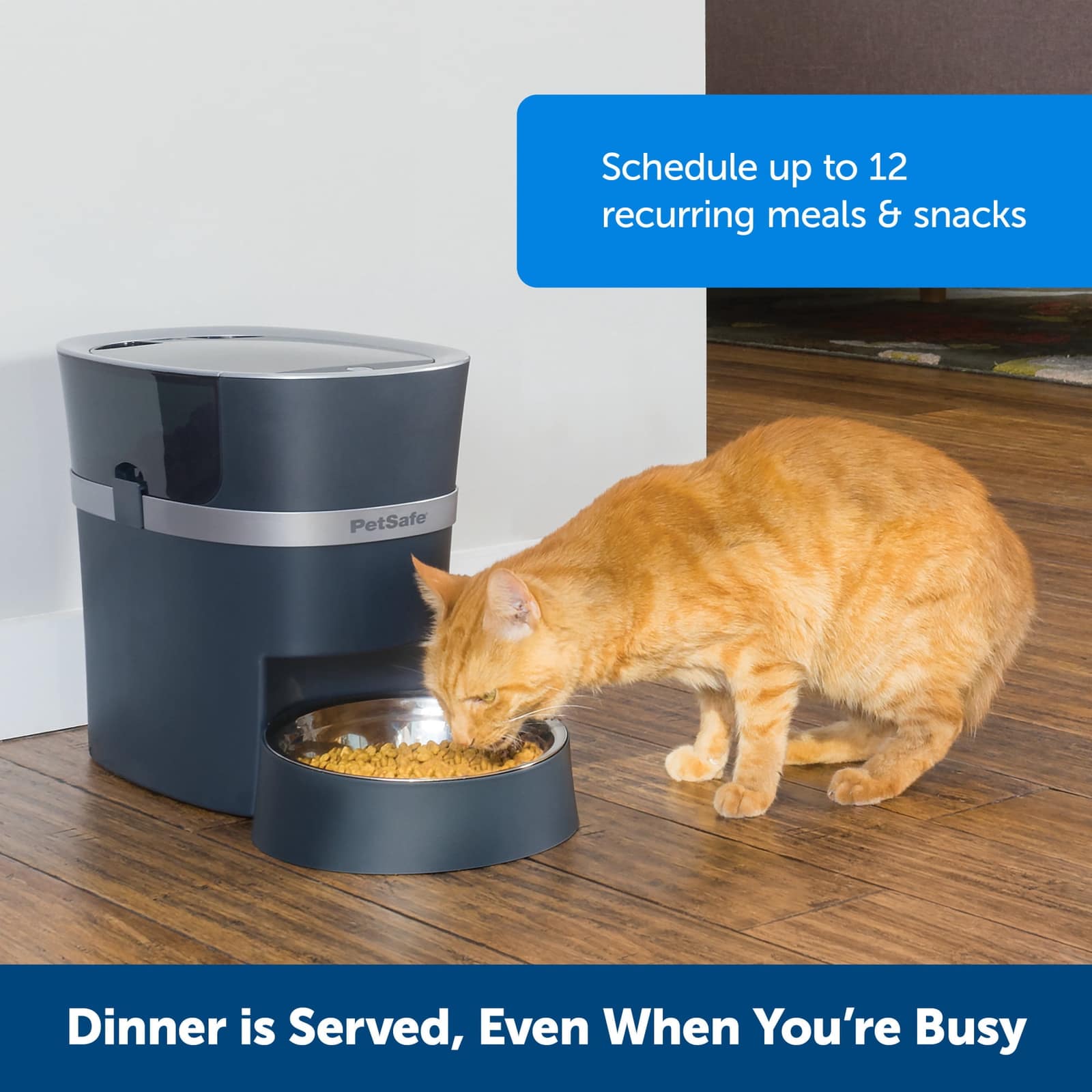
Smart Feeding
Reliable Wi-Fi feeding for cats. Precision portions, every time.
Offers reliable local control via Bluetooth for easy scheduling and portion management. Can be upgraded with a WiFi hub for remote access if needed.
The choice between a WiFi and Bluetooth pet feeder ultimately comes down to your lifestyle, priorities, and budget. Consider how often you're away from home, your comfort level with smart home technology, and the specific features you value most.
Both WiFi and Bluetooth pet feeders offer valuable automation for pet feeding. If you prioritize the ability to manage your pet's meals from anywhere, integrate with smart home systems, and enjoy advanced monitoring features, a WiFi feeder is your best bet. If simplicity, local control, and a lower price point are more important, and you're typically home, a Bluetooth feeder will serve you well. Evaluate your specific needs to make the smartest choice for your SmartPaws household. For more insights into smart pet care, see our [Smart Feeder Buying Guide](/articles/best-smart-pet-feeders-2026).
Keep reading
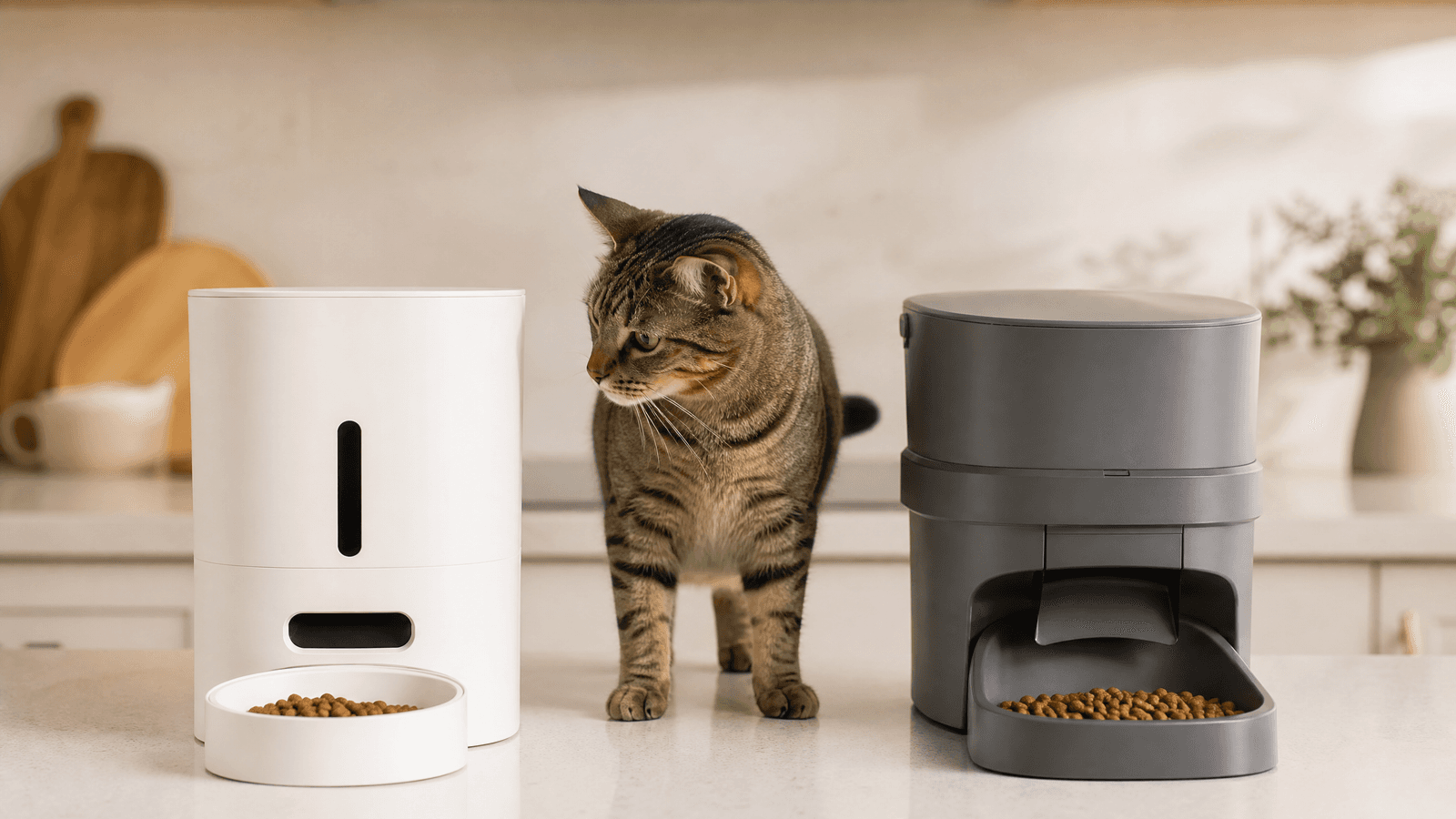
Choosing the right smart pet feeder can be a game-changer for busy pet parents. This article dives deep into the features of the PETLIBRO Granary Smart Camera Feeder and the PetSafe Smart Feed, helping you decide which one best suits your pet's needs and your lifestyle.
Read guide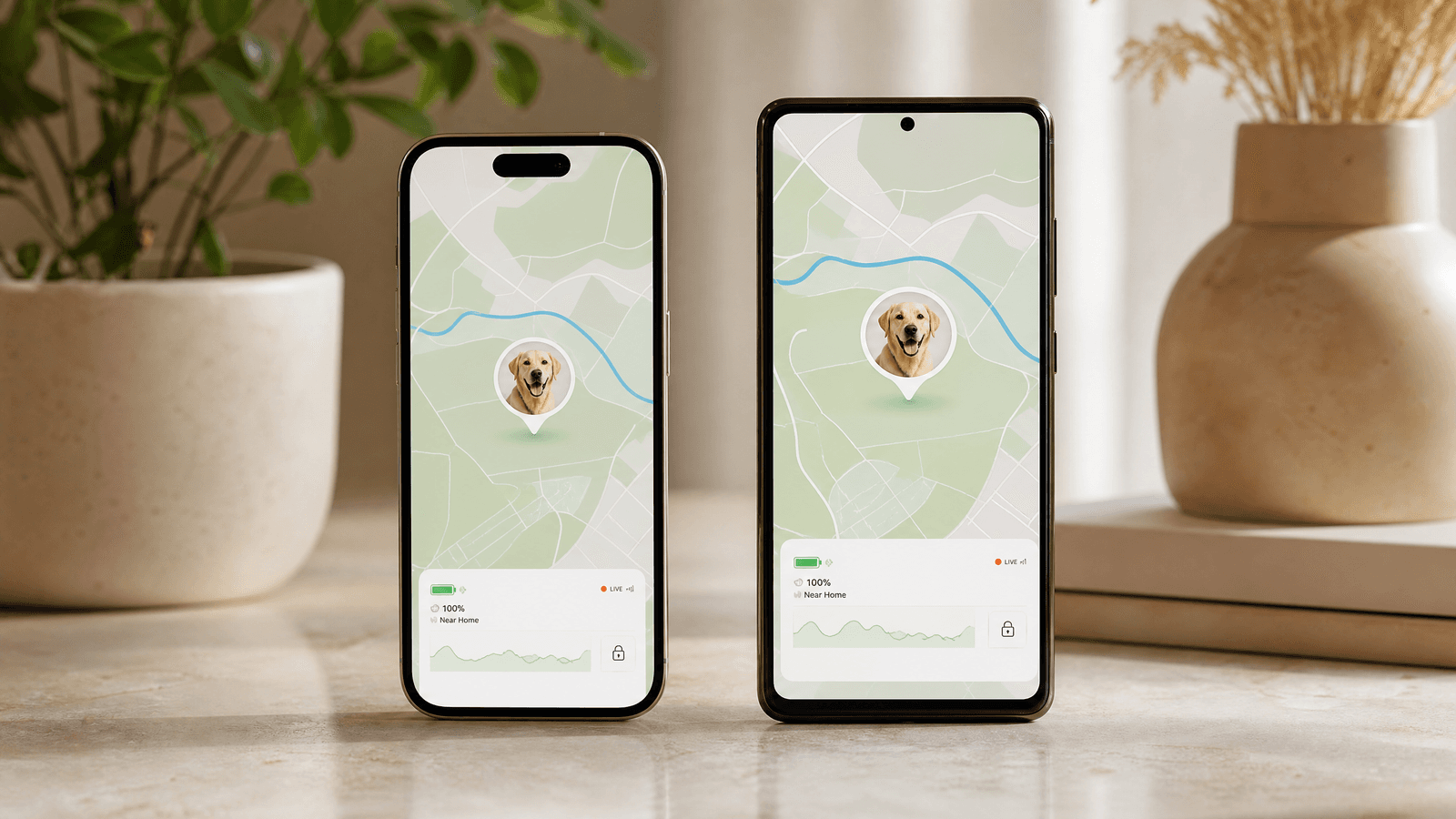
Choosing the right smart pet tech often comes down to the app experience. We compare how major pet tech brands perform on iOS versus Android, examining everything from interface design to feature parity and update frequency. Discover which platform offers a smoother, more reliable experience for managing your pet's smart devices.
Read guide